Israel Escalates Iran Strikes, Warns of Wider War
Israel has launched significant strikes inside Iran following continued missile fire, warning of further escalation. The conflict risks wider regional instability and economic disruption, especially concerning the Strait of Hormuz.


Israel Escalates Iran Strikes, Warns of Wider War
Israel has launched a significant wave of strikes inside Iran, signaling a sharp escalation in the ongoing conflict. Defense officials have issued a stern warning: attacks on the Iranian regime will increase in scope and intensity. This move comes after Iran continued its missile fire directed at Israel and its allies in the Gulf Arab region. The situation is becoming increasingly tense, with Iran also threatening to close the Strait of Hormuz, a crucial waterway for global shipping, especially for vessels traveling to and from ports of U.S. allies.
Netanyahu’s Warning and Iran’s Continued Aggression
Prime Minister Benjamin Netanyahu and Israeli Defense Minister had previously warned Iran to cease its missile attacks on Israeli civilians. Despite these clear warnings, Iran has continued its aggression. This has led Israel to take decisive action, with the Israeli Defense Forces (IDF) stating that strikes within Iran will escalate and expand. The targets will include additional locations that help Iran develop and operate weapons used against Israeli citizens. Israel has made it clear that Iran will face significant and growing consequences for what it calls a ‘war crime.’
The Scope of the Israeli Strikes
The Israeli military confirmed that it carried out a large-scale operation overnight, hitting key facilities deep within Iran. These strikes reportedly targeted sites involved in the production of ballistic missiles and other weaponry. Additionally, missile launchers and storage sites in western Iran were also struck. The operation represents a significant move by Israel, bringing the conflict directly into Iranian territory.
Historical Context and Rising Tensions
This direct confrontation between Israel and Iran is a serious development in a long-standing, often indirect, conflict. For years, the two nations have engaged in a shadow war, with actions often attributed to one or the other but rarely confirmed. These actions have included cyberattacks, assassinations, and support for proxy groups in various regional conflicts. However, the recent direct strikes mark a new, more overt phase. Iran’s continued missile firings and threats to international shipping lanes have pushed the situation to a critical point.
Why This Matters
The escalating conflict between Israel and Iran has major implications for regional stability and global security. The Strait of Hormuz is a vital chokepoint for oil shipments, and any disruption could send shockwaves through the global economy, potentially leading to higher energy prices. Furthermore, a wider war involving Iran could draw in other regional powers and international actors, making the situation far more dangerous. The involvement of the U.S. and its allies, due to their close ties with Gulf Arab nations and Israel, raises the stakes considerably.
Implications, Trends, and Future Outlook
The current trend points towards a dangerous escalation. Iran’s threats to close the Strait of Hormuz, if carried out, would have severe economic consequences. Israel’s willingness to strike directly inside Iran signals a shift in its strategy, suggesting it will not tolerate continued attacks. This could lead to a cycle of retaliation, with each side seeking to inflict greater damage than the last. The international community is watching closely, with many hoping for de-escalation to prevent a full-blown regional war. However, the rhetoric from both sides suggests that a peaceful resolution is not imminent. The future outlook is uncertain, but the potential for further conflict is high.
Balanced Viewpoints
From Israel’s perspective, these actions are a necessary response to direct threats against its civilian population and security. They argue that Iran’s persistent aggression leaves them with no choice but to act decisively. Iran, on the other hand, likely views its actions as a response to perceived Israeli provocations and a way to assert its regional influence. However, the international community generally condemns actions that threaten civilian populations and international trade routes. The closure of the Strait of Hormuz, in particular, would be met with widespread condemnation and potential intervention.
Source: Israel Hits Tehran With Wave of Strikes, Warns Attacks on Regime ‘Will Escalate and Expand’ (YouTube)

Related Articles


Trump’s War Talk Stuns Financial Crowd
Donald Trump's recent speech in Miami focused on his foreign policy, particularly his critical views on NATO and his vision for international relations. He declared the U.S. would no longer defend NATO allies, questioned the value of existing alliances, and suggested renaming the Strait of Hormuz. The speech also touched on his personal views of success, his allies, and his perceived role as a global peacemaker.
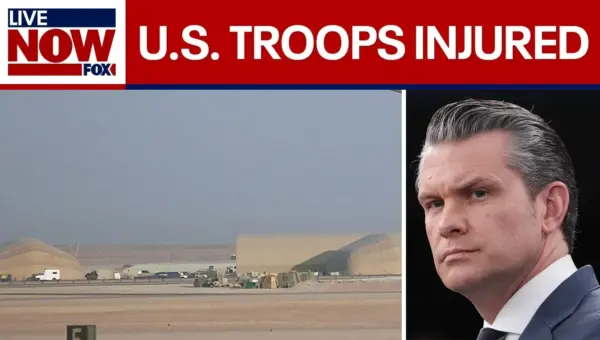
US Troops Wounded in Saudi Base Attack by Iran
An Iranian missile attack on Prince Sultan Air Base in Saudi Arabia wounded multiple U.S. service members and damaged aircraft. The incident highlights the ongoing risks in the Middle East and the limitations of air defense systems. Analysts discuss the strategic implications, economic pressures, and the isolation of Iran amidst the conflict.


US Christian Nationalism Fuels Global Conflict Fears
A potent strain of Christian nationalism in the US is raising alarms globally, promoting a 'warlike brand' of faith that views empathy as weakness. This ideology, amplified during times of economic hardship, risks justifying aggressive actions and undermining international humanitarian norms. Its influence on policy could reshape global dynamics.