Israel Defends Iran Strikes, Cites Nuclear Threat
Israeli Opposition Leader Yair Lapid defended recent strikes against Iran, citing Tehran's nuclear ambitions and threats as justification for military action. He distinguished between accidental civilian casualties in defensive operations and intentional targeting by Iranian forces, while addressing the global implications of a nuclear Iran.

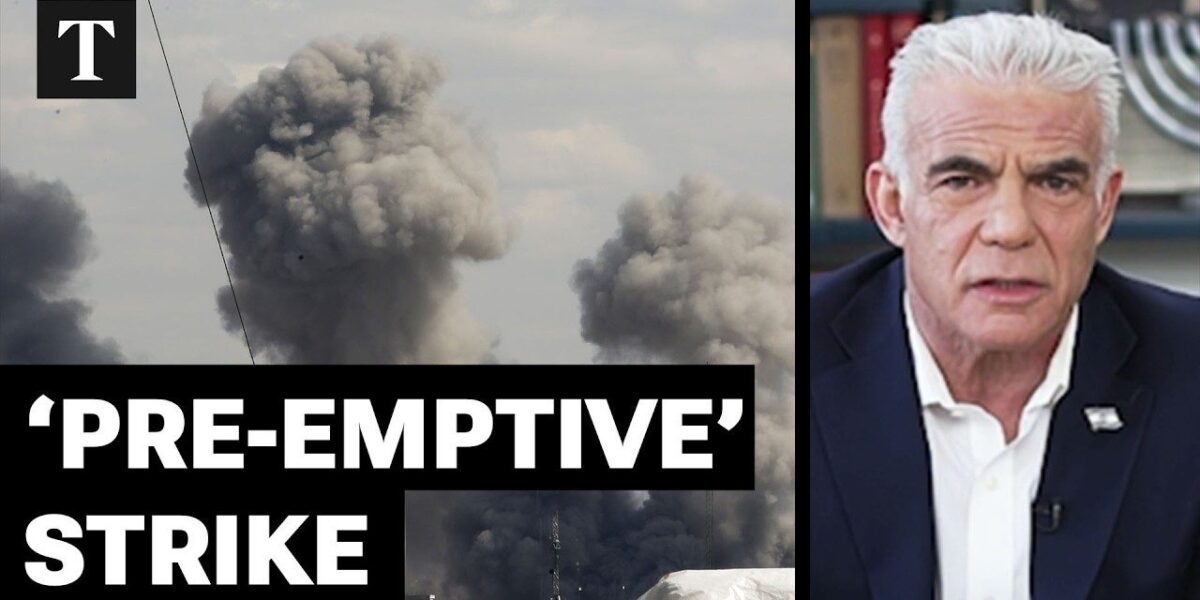
In a strong rebuttal to claims of initiating a “war of choice,” Israeli Opposition Leader Yair Lapid has defended the recent aerial actions against Iran, emphasizing the existential threat posed by Tehran’s nuclear and ballistic missile programs, its regional aggression, and its domestic repression. Speaking amidst ongoing aerial exchanges, Lapid asserted that Israel and its allies were compelled to act due to Iran’s persistent pursuit of weapons of mass destruction and its explicit threats against the Jewish state.
Escalating Tensions and the Justification for Action
The interview, conducted in the wake of a missile strike in the Israeli city of Bamesh that resulted in casualties, including children, highlighted the immediate human cost of the escalating conflict. However, Lapid framed these tragic events as a consequence of war, contrasting them with the deliberate targeting of civilians he attributed to the Iranian regime. “We couldn’t sit on our hands while Iran is developing a nuclear program and a ballistic missile program and suppressing its own people and exporting terror throughout the Middle East, especially opposite Israel,” Lapid stated, underscoring the perceived inevitability of a military response.
Lapid argued that years of diplomatic efforts, including negotiations, discussions, and sanctions, had proven futile. He characterized Iran’s approach as a tactic to “deceive” and “buy time” to advance its weapons development. “So yes, we it was it was we were bound to do this,” he declared, asserting that inaction was no longer a viable option.
Distinguishing Intentions in Warfare
Addressing the contentious issue of civilian casualties, particularly the report of schoolgirls killed in an Iranian strike, Lapid acknowledged the tragedy but drew a stark distinction between the actions of democratic nations and what he described as a terror organization. “This is the exact difference. This is what happened in Iran in the school in Iran is the price of war and nobody intended this to happen. Uh it was just miscalculated and we are sorry and everybody in his right mind is terribly sorry and feel terrible about this on the other hand. But you know what we are aiming at is military uh bases and military operations,” he explained.
He contrasted this with Iran’s alleged strategy: “The Iranians are trying specifically to hit civilians because this is what they do. Because this is the difference between a democratic countries, democratic countries like Israel and the United States, of course, and a terror organization who took hostage a whole country like it is in Iran. They’re trying to kill our children.” Lapid reiterated his sorrow for the loss of life but maintained that the fundamental difference lay in the intent behind the attacks and the nature of the regimes involved.
“We couldn’t sit on our hands while Iran is developing a nuclear program and uh a ballistic missile program and suppressing its own people and exporting terror throughout the Middle East, especially opposite Israel.”
The Threat of Nuclear Iran and Global Implications
Lapid emphasized that the threat posed by Iran was not solely an Israeli concern but a global one. “A nuclear Iran is a global problem,” he asserted, pointing to Iran’s network of terror proxies as a regional issue and its ballistic missile program as a universal concern. He argued that waiting for Iran to acquire the capability to carry out its stated intentions, such as the destruction of Israel, would be a grave error. “So what you are saying is that I’m supposed to wait until they’ll do it. And what we think is it is the wrong thing to wait until they’ll do it. You’ll better do anything in your power in order to prevent this from happening.”
The Israeli opposition leader dismissed comparisons to other international conflicts, such as potential actions by Russia or North Korea, by highlighting Iran’s explicit declarations of intent to destroy Israel. “Iran has been saying for years now, all we do is trying to get the weapons in order to kill all the Jews. So, the Jews decided that they don’t want to be killed anymore and they’re going to do something to preempt this,” Lapid contended.
Addressing Antisemitism and International Alliances
Lapid also addressed the rise in antisemitism observed in some European countries, linking it to the ongoing conflict. He characterized such incidents as manifestations of deep-seated hatred rather than direct consequences of Israel’s actions. “There’s always an excuse for anti-semmites to be anti-semites,” he stated, listing various historical pretexts used to target Jewish people. “Throughout the ages, people always found excuses to hate Jews. This is what it is. They just hate Jews because they’re anti-semites and they’re finding different excuses each and every time.”
Regarding the UK’s decision not to participate directly in the strikes on Iran, Lapid expressed appreciation for the UK’s broader role in regional defense, citing reports of British involvement in defending Cyprus from potential Iranian attacks. He affirmed the concept of a “just war” and stressed the importance of the international community standing against what he termed terror organizations like the Iranian regime.
The Path Forward
Lapid’s remarks underscore a hardening stance within Israeli political leadership regarding the Iranian threat. As the conflict continues, the focus will likely remain on Iran’s nuclear ambitions, its regional destabilization efforts, and the broader implications for international security. The international community faces the challenge of balancing deterrence with the risks of further escalation, all while grappling with the persistent issue of antisemitism, which Lapid argues is fundamentally rooted in hatred rather than reactive politics.
Source: Israel Rejects ‘War of Choice’ Label in Iran Strike, Says Israeli Opposition Leader Yair Lapid (YouTube)

Related Articles


Iran Retaliates: “Devastating Blows” Threaten US, Israel
Iran has officially vowed to exact "devastating blows" against the U.S. and Israel following preemptive strikes that reportedly killed Ayatollah Kmeni. The nation has initiated widespread retaliatory actions across the Middle East, targeting U.S. bases and interests in multiple countries. This escalation follows large public demonstrations in Iran demanding vengeance and has ignited debate over U.S. foreign policy and its domestic implications.

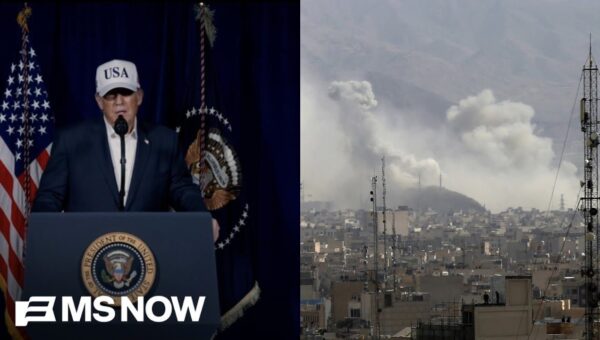
US and Israel Launch Major Strikes on Iran; Leader’s Death Claimed
The U.S. and Israel have launched significant airstrikes across Iran, targeting multiple sites. President Trump has claimed Iran's Supreme Leader is dead, a report unconfirmed by media. Experts question the operation's long-term efficacy and potential consequences.


Iran Launches Retaliatory Strikes on Israel Amidst Escalating Tensions
Iran launched a significant retaliatory missile strike against Israel, which was met by Israel's advanced air defense systems. The exchange follows alleged earlier attacks on Iran, with Iranian officials confirming their leadership is safe amidst conflicting reports.