Israel Decapitates Iran’s Leadership; Seeks Stable Counterpart
Israel is strategically targeting Iran's senior leadership, aiming to cripple its operational capabilities and foster regional stability. This approach seeks to avoid the chaos of past interventions while identifying a stable counterpart for future engagement.

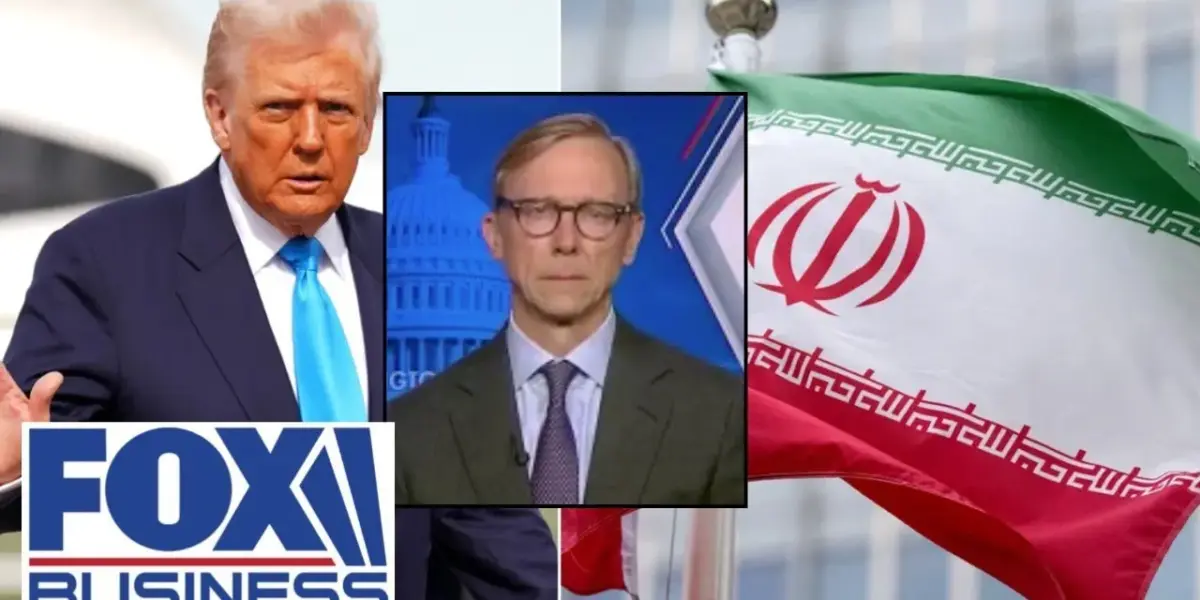
Israel Targets Iranian Leaders, Aims for Regional Stability
Israel has intensified its efforts to dismantle Iran’s leadership structure, successfully eliminating key figures within the regime, including heads of security, militia, and intelligence. This strategic approach mirrors Israel’s past tactics against groups like Hamas and Hezbollah, as well as its efforts in Syria and Iraq to dislodge pro-Iranian forces.
This campaign aims to cripple Iran’s operational capabilities and reduce its influence in the region. The strategy appears designed to force Iran into a position where it must seek peace with its neighbors due to a lack of military options. The ultimate goal is a post-conflict scenario where Iran is demilitarized and less capable of supporting terrorism.
Focus on the Revolutionary Guard Corps
While the focus has been on targeting the Islamic Revolutionary Guard Corps (IRGC), a highly ideological military and political organization, the regular Iranian army has largely been spared. This distinction raises questions about potential future engagement with less ideologically driven elements within Iran’s military structure.
The strategy is intended to avoid the pitfalls of past interventions, such as the chaos and prolonged occupation seen in Iraq. The aim is to stabilize key institutions and foster a more moderate, secular government if the Iranian people choose to pursue such a path. Civilian solutions, potentially involving elements of the regular army, could serve as a stabilizing force.
Avoiding Chaos and Occupation
The approach seeks to prevent Iran from descending into instability like Libya or Iraq following conflict. By targeting specific leadership and military elements, the strategy aims for a controlled de-escalation rather than widespread destruction that could lead to power vacuums. This could lead to a more peaceful region for the United States and its allies.
The administration’s strategy appears to be hitting key targets within the military and leadership while deliberately avoiding others. This includes leaving oil export pipelines and certain infrastructure intact. This selective targeting is seen as a crafty approach to weaken Iran’s ability to project power without completely destroying its economy.
The Search for a Counterparty
A significant challenge remains the lack of a stable and responsible counterpart with whom to negotiate. The U.S. and its allies have not yet identified a suitable entity or individual within Iran that can be reliably engaged in diplomatic or political discussions. This absence of a clear counterparty complicates long-term stabilization efforts.
However, the current trajectory suggests progress towards meeting strategic goals. The military’s performance is highly rated, and the strategy is viewed as a decisive approach to resolve long-standing issues, particularly concerning Iran’s nuclear program. The hope is to achieve a lasting resolution rather than temporary fixes.
Market Impact
The ongoing actions in Iran could have significant implications for global energy markets. Disruptions or the threat of disruptions to oil exports could lead to price volatility. However, the current strategy of avoiding direct attacks on oil infrastructure might mitigate immediate market shocks.
Investors will be watching for any escalation or de-escalation in the region. Geopolitical stability is crucial for investor confidence, particularly in sectors sensitive to energy prices and international trade. The successful demilitarization of Iran, if achieved, could lead to a more predictable regional environment, potentially benefiting various industries.
What Investors Should Know
- Geopolitical Risk Premium: Tensions in the Middle East can increase the ‘risk premium’ on oil prices, affecting inflation and consumer spending.
- Energy Sector Volatility: The energy sector, including oil and gas companies, will likely remain sensitive to developments in Iran.
- Long-Term Stability: A successful de-escalation and stabilization in Iran could reduce long-term geopolitical risks, potentially benefiting global markets.
- Focus on Strategy: The current strategy prioritizes weakening Iran’s military and leadership while avoiding widespread economic collapse, suggesting a calculated approach to regional security.
Source: Former US diplomatic official: We need a ‘counterparty’ in Iran (YouTube)

Related Articles
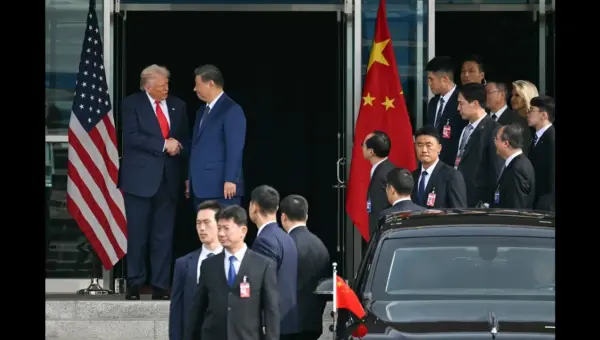
Trump’s “Walk Away” Tactic Signals Tougher Stance on China
Retired Air Force Brigadier General David Stillwell believes President Trump's strategy of being willing to walk away from negotiations puts pressure on China. This tactic, combined with US global actions and strengthened alliances, signals a more assertive American foreign policy.

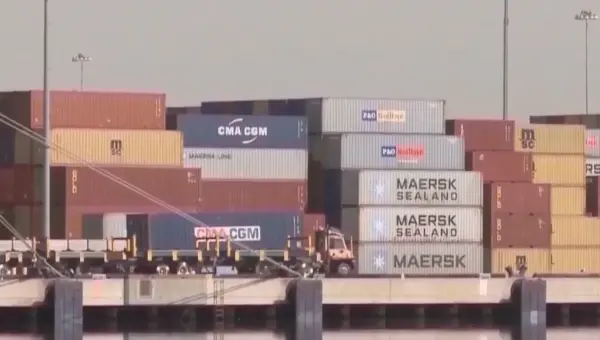
China Fights Back: Tariffs Loom Ahead of Trump Visit
China is retaliating against US trade investigations that could lead to higher tariffs. This escalating trade tension occurs just before a planned visit by President Trump. The dispute involves accusations of unfair practices and impacts global supply chains.


Israelis Forge Resilience Amidst Constant Bomb Shelter Drills
Life in Israel is a blend of resilience and constant vigilance, with many families adapting to frequent bomb shelter drills and even sleeping in makeshift shelters. Despite ongoing missile attacks, Israelis strive to maintain normalcy, though businesses face disruption and emotional fatigue is a growing concern.