Israel Claims Iran Can’t Build Nukes or Missiles
Israeli Prime Minister Benjamin Netanyahu claimed Iran can no longer enrich uranium for nuclear weapons or produce ballistic missiles. His statements suggest a potential shift in the conflict's trajectory, while also raising questions about Israel's long-term strategy and US involvement.

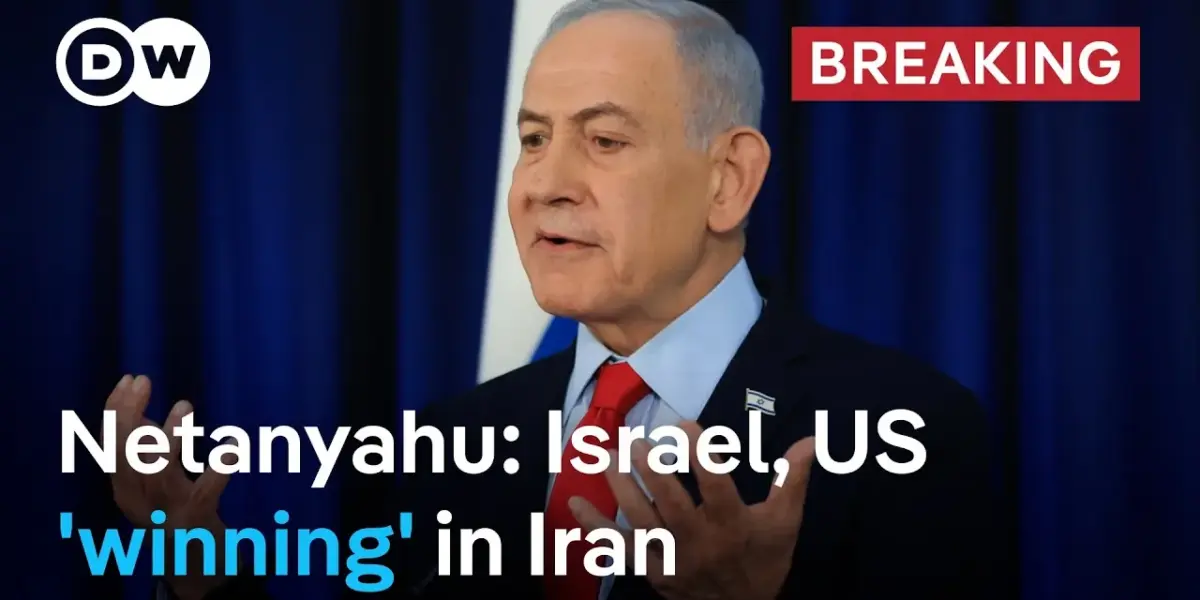
Israel Claims Iran Can’t Build Nukes or Missiles
Israeli Prime Minister Benjamin Netanyahu announced Tuesday that Iran can no longer enrich uranium for nuclear weapons and has lost its ability to produce ballistic missiles. These statements mark a significant development in the nearly three-week conflict involving Iran. Netanyahu also suggested the war’s duration could be flexible, lasting as long as needed but potentially ending sooner than expected.
Netanyahu Highlights Military Successes
Speaking to foreign media and journalists on short notice, Prime Minister Netanyahu emphasized Israel’s military achievements over the past three weeks. He stated that Iran’s missile and drone arsenals have been greatly weakened and are on track for destruction. While highlighting these successes, Netanyahu also indicated that regime change in Iran is up to the Iranian people themselves. Israel, he suggested, is merely creating the conditions for such a change.
US-Israel Cooperation and War Strategy
Netanyahu praised the close cooperation between the United States and Israel, and specifically mentioned support from President Donald Trump. This comes after a tense 24-hour period marked by attacks that caused oil prices to surge. The Prime Minister also addressed the possibility of a ground component in the conflict, stating that air strikes alone are insufficient. This suggests a need for further action beyond aerial bombardments.
“Now they blackmail for oil. Just imagine what they would do, what they’re capable of doing if these lunatics had nuclear weapons and the means to deliver them to every American city and every European city and everywhere around the globe. This is a danger for the entire world. It’s certainly a danger for Israel. It’s certainly a danger for America. We see eye to eye on that.”
Israeli Public and Exit Strategy Concerns
Correspondent Tanya Kramer reported from Jerusalem that Netanyahu’s remarks might be an attempt to align Israel and the United States. However, she noted that Israelis might interpret the speech as preparing the public for various outcomes of the war. With ongoing alarms and conflict with Hezbollah, the public is being informed that the war could last, and there may not be a clear plan for the “day after” the conflict concludes. Kramer suggested that the Prime Minister is focusing on highlighting current achievements rather than outlining a definitive exit strategy.
Political Messaging for Trump Administration
In Washington, Bureau Chief Enus Po suggested Netanyahu’s statements could offer President Trump an “off-ramp” from the conflict. By framing the war as already successful, with Iran’s capabilities being diminished, a narrative of de-escalation can be created without admitting defeat. Po noted that Netanyahu did not provide evidence for his claims about Iran’s uranium enrichment capabilities. This political framing allows for a potential withdrawal while maintaining pressure, possibly including the threat of ground operations.
Navigating US Involvement and Domestic Politics
The coordination of an attack on Iran’s gas field also presented a complex picture. While Israeli officials reportedly indicated the strike was coordinated with the US, President Trump initially stated the US was unaware. Netanyahu’s reinforcement of US involvement suggests a careful effort by both sides to maintain military alignment while avoiding the appearance of a full US commitment to the war. This delicate balance is crucial for Trump domestically, as he faces criticism from his own base about engaging in foreign conflicts.
Dual Tensions: US-Israel and Domestic Pressure
Two layers of tension are evident: one between the US and Israel regarding the extent of involvement, and another within the US concerning the cost and human toll of foreign wars. Israel appears willing to escalate, potentially with ground operations, while the US seems more focused on managing escalation and controlling the public narrative. This is particularly important for President Trump, who is under pressure regarding war spending and American casualties in distant conflicts.
Looking Ahead
The coming days will likely reveal more about the actual capabilities of Iran and the strategic intentions of both Israel and the United States. The focus will be on whether Netanyahu’s claims about Iran’s nuclear and missile programs hold up to scrutiny and how the US navigates its role amidst domestic political pressures and regional instability.
Source: Iran can no longer enrich Uranium or produce missiles, Israel's prime minister claims | DW News (YouTube)

Related Articles

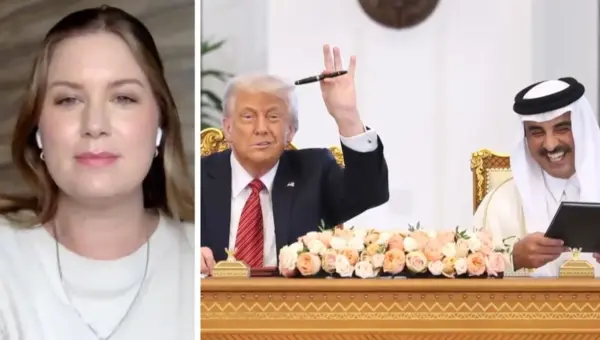
Gulf States Demand Seat at Table on Iran’s Nuclear Future
Gulf states are demanding a seat at the table for any U.S.-Iran talks regarding Iran's nuclear future. This move reflects a growing assertiveness and a desire to shape regional security directly. It signals a potential shift towards more inclusive diplomatic efforts in the Middle East.


Israelis Forge Resilience Amidst Constant Bomb Shelter Drills
Life in Israel is a blend of resilience and constant vigilance, with many families adapting to frequent bomb shelter drills and even sleeping in makeshift shelters. Despite ongoing missile attacks, Israelis strive to maintain normalcy, though businesses face disruption and emotional fatigue is a growing concern.

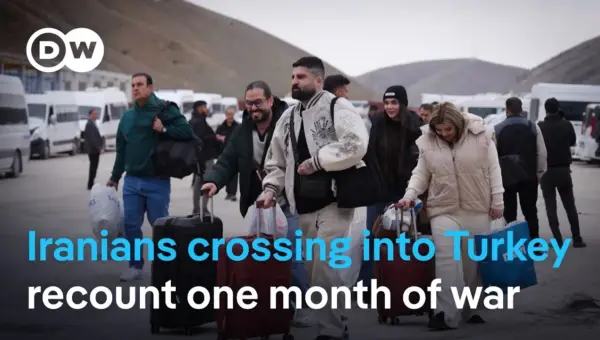
Iran War Exodus: Refugees Flee to Turkey Amidst Bombings
A train from Tehran brings refugees to Turkey, fleeing daily bombings and economic collapse. Many express deep fear for loved ones left behind, while some hold onto national pride and hope for victory. The conflict's impact is also felt economically in Turkey, with rising gas prices.