Israel Bombs Beirut, Netanyahu Approves Talks Amid Ceasefire Confusion
Israel has bombed Beirut and approved talks with Lebanon amid confusion over a US-Iran ceasefire deal. Analyst Shakria Brados explains the differing goals of the US and Israel, and how a shift in Lebanese government policy may enable cooperation against Hezbollah.

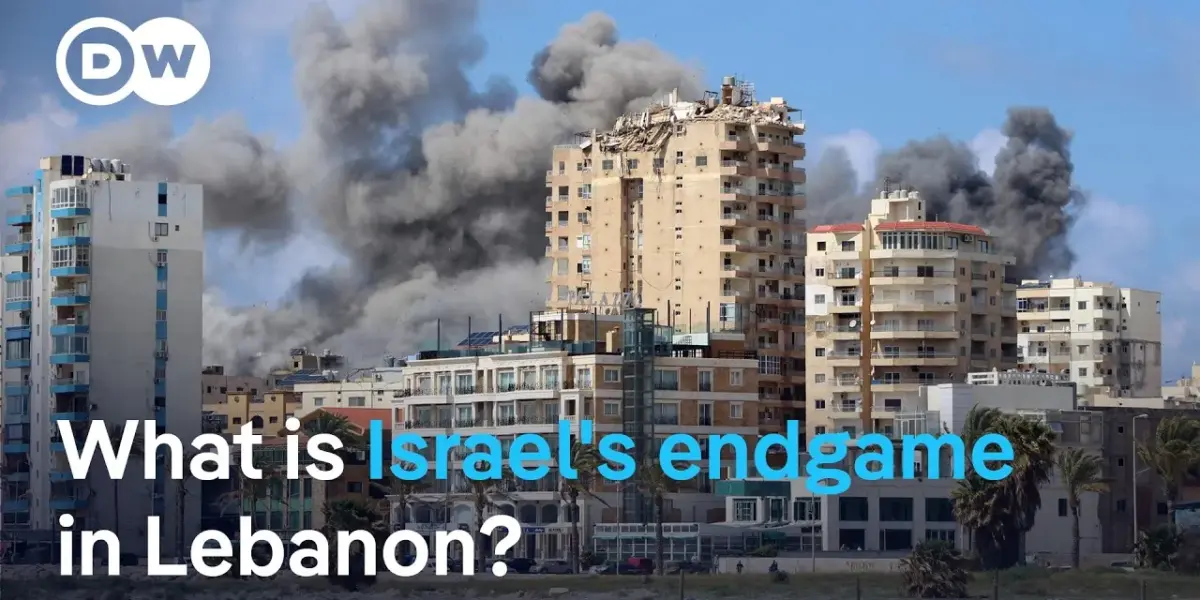
Israel Strikes Beirut, Greenlights Negotiations Amid Ceasefire Dispute
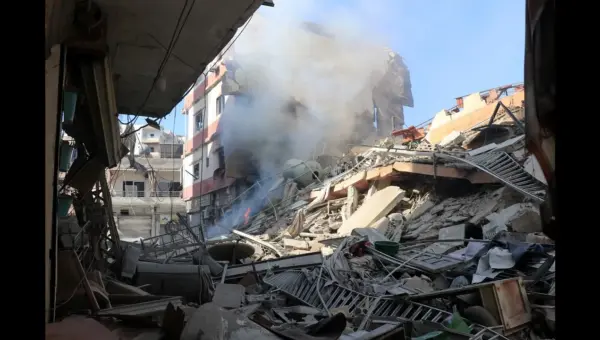
Hours after a ceasefire deal between the United States and Iran was announced, Israeli airstrikes hit Beirut, with missiles continuing to fly in both directions. Israeli Prime Minister Benjamin Netanyahu stated there is no ceasefire in Lebanon, despite Iran’s insistence that the conflict was part of the truce reached with the U.S. This development raises questions about Israel’s strategy in Lebanon and its alignment with broader international efforts to de-escalate tensions in the region.
Conflicting Objectives: US vs. Israel’s Goals
Middle East security analyst Shakria Brados explained the distinct objectives driving the U.S. and Israeli actions. For the Trump administration, the primary goal was to secure a new, stronger deal with Iran, one that improved upon the Joint Comprehensive Plan of Action (JCPOA) negotiated under President Obama. This objective held significant political importance for President Trump.
In contrast, Israel’s main objective, according to Brados, is to eliminate the security threat posed by Iran. A key part of this strategy involves disarming or weakening Hezbollah, which is seen as Iran’s main proxy group in the region. Israel’s military actions against Hezbollah in Lebanon began weeks before the Iran war talks, indicating a long-standing focus on this specific threat.
Iran’s Stance and the ‘Axis of Resistance’
Iran’s push for a ceasefire in Lebanon and an end to the fight against Hezbollah is tied to its concept of an “axis of resistance.” This refers to a united front of allied groups. When Iran negotiates a ceasefire with the U.S. and Israel while Hezbollah is under attack, it signals a potential break in this united front.
Brados noted that this unity is crucial for the Iranian regime, especially with hardliners who support its ideology. These hardliners form a core base of support within Iran. The current leadership, including figures like Parliament Speaker Kahlil Bah, understands the importance of maintaining this support.
Furthermore, if Iran enters negotiations while facing Israeli attacks, other allied groups, such as the Houthis in Yemen or Hashd al-Shaabi in Iraq, might lose trust in Iran’s reliability. This damage to credibility could weaken Iran’s influence and its network of proxies.
Netanyahu Approves Talks: A Shift in Lebanese Politics
Prime Minister Netanyahu’s decision to approve direct negotiations with Lebanon aims for two key objectives: the disarmament of Hezbollah and a lasting peace agreement between the two nations. Brados highlighted a significant shift within the Lebanese government itself as a key factor.
For the first time, the Lebanese government appears to be distancing itself from Hezbollah’s political and security activities. This includes actions like expelling Iran’s ambassador and requiring Iranian citizens to obtain visas for entry into Lebanon. These steps suggest a growing alignment between the Lebanese government and Israel’s goal of weakening Hezbollah.
Brados pointed out that the current Lebanese leadership lacks the charismatic influence of former Hezbollah leader Hassan Nasrallah. This has led to a decrease in Hezbollah’s cohesion and grip on power. The group’s former control over key areas like Beirut airport and borders has diminished, signaling a change in the power dynamics within Lebanon.
Cooperation Between Lebanon and Israel
Previous attempts by European nations, like France, and the U.S. to foster cooperation between Lebanon and Israel have failed. However, the current situation presents a unique opportunity. Brados suggested that the Lebanese government, understanding Hezbollah better than any external actor, is now in a position to effectively deal with the group.
The cooperation is complex, influenced by internal political divisions within Lebanon, particularly the sectarian divide between Shia and Sunni communities. While a large segment of the Shia population in Lebanon has historically relied on Hezbollah for representation and power, especially given past exclusion, the Lebanese government must now present a plan to include all segments of the population in the country’s future.
Brados believes that Hezbollah uses Israeli attacks as a tactic to maintain its influence and rally Shia support. Without the external threat of Israeli attacks, Hezbollah would find it harder to mobilize followers. Many Shia and Sunni Muslims in Lebanon are reportedly weary of perpetual conflict and desire a better life, creating an opportune moment for cooperation between Israel and the Lebanese government.
Israel’s Achievements and Future Outlook
Whether Israel’s actions have resulted in a breakthrough for its objectives in Lebanon remains to be seen, pending the war’s conclusion. However, Brados argued that Israel has already achieved some success in weakening Hezbollah’s political and military power. Hezbollah has consistently been Israel’s primary concern among Iran’s proxies.
Some analysts suggest that Israel’s intense focus on Hezbollah may have contributed to its surprise regarding the capabilities of Hamas, potentially playing a role in the events of October 7th. Israel’s strategy aims to defeat Iran in a way that prevents the regime from supporting and re-arming its proxies.
Israel understands that its actions are intertwined with the broader Iran war and the U.S. objectives under President Trump. Netanyahu’s administration is keen to dismantle Hezbollah’s capabilities before the Iran war concludes or any decisions are made by the U.S. This urgency stems from the fact that Netanyahu might have to adhere to a ceasefire if President Trump dictates it, as happened during a previous 12-day period of conflict.
The Challenge of Eliminating Militant Groups
When asked about the possibility of completely eliminating groups like Hezbollah, Brados responded negatively. The core issue lies in the ideology that fuels these groups, which is difficult, if not impossible, to eradicate, similar to groups like Al-Qaeda and ISIS.
While the ideology may persist, the power and influence of these groups can be diminished. This includes reducing their military strength, political sway, and access to weapons. Brados drew parallels to the conflict with the Houthis in Yemen, where despite significant military power, the U.S. has not been able to end the group.
Defeating such groups is complex, involving not only their ideology but also the territory they control and the state sponsors that support them. In the case of the Houthis, support from countries like China and Russia complicates efforts to neutralize them.
Looking Ahead
The situation remains fluid, with the ongoing conflict in Lebanon and the broader geopolitical dynamics surrounding Iran’s nuclear program and regional influence. The effectiveness of the current cooperation between Israel and the Lebanese government, the future of Hezbollah, and the broader implications for stability in the Middle East will be critical areas to watch in the coming months.
Source: Netanyahu approves talks after Israel bombs Beirut | DW News (YouTube)

Related Articles

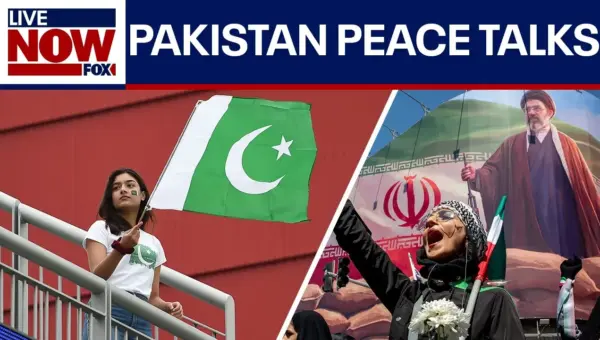
Pakistan Mediates High-Stakes Peace Talks Between US and Iran
Pakistan is set to mediate critical peace talks between the United States and Iran in Islamabad this weekend. The negotiations aim to de-escalate rising tensions, with former National Security Advisor Moed Yusef explaining the importance of private discussions and the challenges of overcoming public demands. While cautious optimism surrounds the event, experts stress that a comprehensive deal is unlikely, with a ceasefire extension being a more immediate goal.

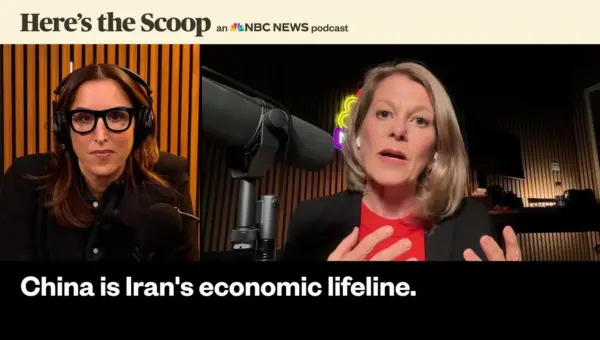
Lebanon Reels From Attacks; China Mediates Iran Conflict
Lebanon is reeling from Israeli attacks on Beirut, hours after a ceasefire with Iran was announced. Hundreds were injured, and rescue efforts continue amidst a deepening humanitarian crisis. Meanwhile, China has emerged as an unlikely mediator, leveraging its economic ties with Iran to push for de-escalation.
Israel Escalates Lebanon Strikes Amid Ceasefire Dispute
Israel is intensifying strikes against Hezbollah in Lebanon, leading to a dispute with Iran over a ceasefire agreement. Prime Minister Netanyahu vows to continue operations until security is restored, while also planning direct talks with Lebanon to demilitarize Beirut and disarm Hezbollah.