Israel and US Launch Major Strikes on Iran
Israel and the United States have launched coordinated missile strikes against Iran, signaling a potential objective of regime change. The operation, confirmed by former President Trump, targets Iranian military infrastructure and leadership, marking a significant escalation amid ongoing regional tensions.

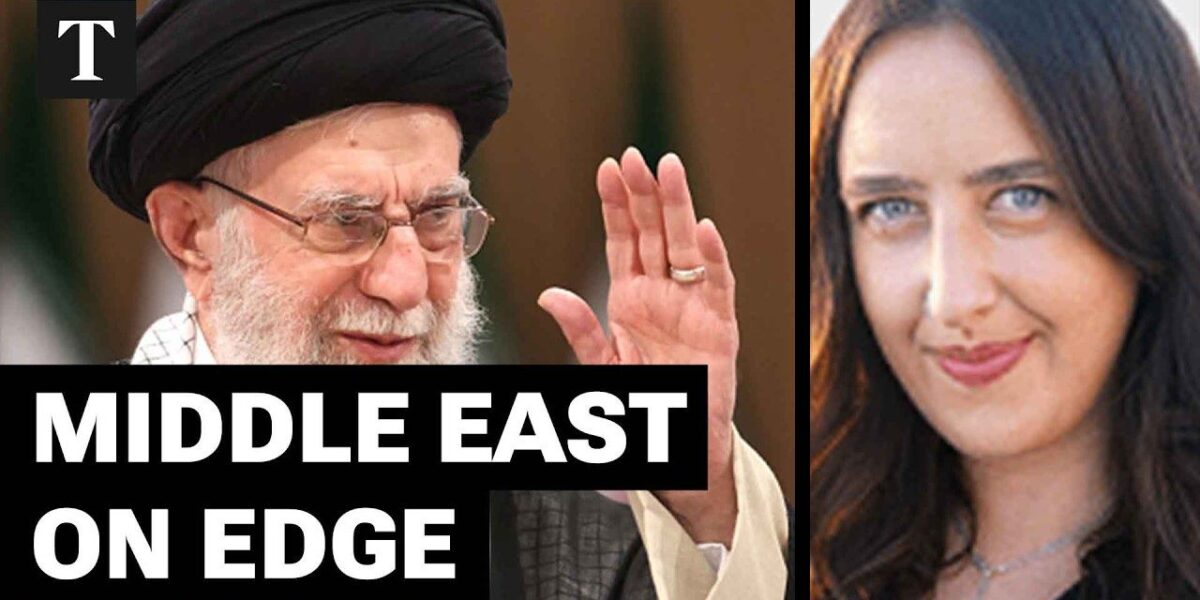
Joint Operation Targets Iranian Regime, Escalating Regional Tensions
In a significant escalation of Middle Eastern conflict, Israel and the United States have launched coordinated missile attacks against Iran. The operation, confirmed by former President Donald Trump via a Truth Social post, signals a potential shift towards regime change, moving beyond targeted strikes on nuclear and missile sites. The joint action comes amid heightened tensions and follows a period of sustained Iranian threats and proxy activities, including the October 7th attacks on Israel orchestrated by Hamas.
U.S. Cites Decades of Iranian Aggression
Former President Trump, in his statement, detailed a long history of perceived Iranian aggression against the United States and its allies. He cited the 1979 U.S. embassy takeover and hostage crisis, the 1983 Beirut barracks bombing that killed 241 American personnel, alleged involvement in the USS Cole bombing, and the killing of hundreds of American service members in Iraq. Trump emphasized that Iran’s “menacing activities directly endanger the United States, our troops, our bases overseas, and our allies throughout the world.” He declared, “For 47 years, the Iranian regime has chanted death to America and waged an unending campaign of bloodshed and mass murder… we’re not going to put up with it any longer.”
“The regime’s proxies have continued to launch countless attacks against American forces stationed in the Middle East in recent years. It’s been mass terror, and we’re not going to put up with it any longer.”
Former President Donald Trump
Israel Prepares for Retaliation Amidst Active Strikes
Reporting live from Israel, Times correspondent Gabrielle Weiniger described an atmosphere of urgent preparation. “We know that there is currently a warning signal in Israel for everyone to go into their shelter. So, we can expect an retaliation from Iran in the coming minutes,” Weiniger stated, noting she had moved her young family to a shelter. She confirmed that the joint operation with the U.S. began around 8 a.m. local time, targeting sites associated with the Islamic Revolutionary Guard Corps (IRGC) and facilities linked to Supreme Leader Ayatollah Khamenei. Weiniger indicated that the scope of the attack suggests an objective of substantive regime change, not merely a limited strike on nuclear or missile infrastructure.
Intelligence and Coordination Highlighted
Intelligence suggests that Israeli forces possess detailed knowledge of Iranian military installations and leadership locations. “The intelligence would suggest that they know where the Ayatollah has been hiding. They struck his compound. He’s not necessarily there, but they have struck other IRGC targets,” Weiniger reported. She added that the attack was coordinated between Israel and America, with Israeli agents on the ground providing crucial intelligence on missile launchers and key sites. This operation is described as an “opening gambit” expected to last several days, with potential division of labor between U.S. and Israeli forces targeting different types of Iranian assets.
Iran’s Retaliatory Capacity and Options
While Iran has been anticipating retaliation, the scale and nature of the joint U.S.-Israel strikes raise questions about Iran’s capacity to respond. Weiniger noted that Iran has several options, including disrupting shipping through the Strait of Hormuz, activating proxy forces like Hezbollah in Lebanon and the Houthis in Yemen, or engaging Iraqi Shia militias. However, she also suggested that Iran might take time to formulate its response, depending on the impact of the initial strikes, particularly if senior IRGC officials involved in war planning were neutralized. “They have that one of the largest ballistic missile arsenals in the region, and it’s likely that they will use it,” Weiniger warned, citing potential damage to civilian infrastructure in Israel and American bases across the region.
Concerns of Escalation and ‘Fight to the Death’
The situation remains volatile, with the Israel Defense Forces (IDF) reporting the identification of missiles launched from Iran towards Israel in the minutes following Weiniger’s report. Public warnings were issued via mobile phones in affected areas, urging citizens to protect themselves. Contrary to assumptions of a desire for a limited war, Weiniger suggested that both Israel and the U.S. might be aiming for a more decisive conflict. “I think the whole plan is based around the fact that this is going to be a far more intense and far more powerful war than we saw in June,” she stated. The objective, according to Weiniger, extends to regime change and emboldening internal opposition within Iran. “I don’t think there is any illusion that this is going to be a limited strike. This is going to be severe and quick. I think Iran now know that this is a fight to the death and America is now in it for the long haul as well,” she concluded.
Looking Ahead: A Prolonged Conflict?
The immediate focus remains on Iran’s retaliatory actions and Israel’s defensive capabilities. The coming days will be critical in determining the trajectory of this conflict. Observers will be watching closely for the extent of Iranian responses, potential diplomatic interventions, and the sustained commitment of the United States and Israel to their stated objectives, which appear to extend beyond immediate security concerns to a fundamental reshaping of the regional power dynamic.
Source: Israel Prepare For Retaliatory Strikes From Iran | Gabreille Weiniger (YouTube)

Related Articles
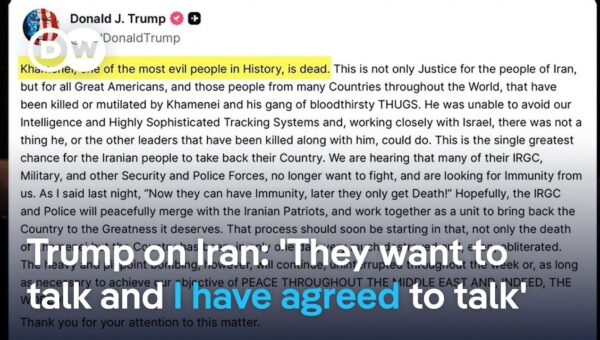
Trump Agrees to Talks with Iran After Major Strikes
President Donald Trump has agreed to talks with Iran's leadership following coordinated strikes that reportedly killed key figures, including the Supreme Leader. While Trump claims significant military successes, U.S. strategy remains unclear, and public opinion shows limited support for the actions amid rising American casualties.


US Strikes Iran: Mounk and Fukuyama Discuss Unpredictable Conflict
Leading political scientists Yascha Mounk and Francis Fukuyama analyze the recent US strikes on Iran, warning of unpredictable outcomes and internal instability. They question the objectives of the "war of choice" and its potential to destabilize the region, while also discussing the shifting global perceptions of Israel.
Iran War Escalates: US Suffers First Casualties
The conflict involving Iran has dramatically escalated with the first confirmed U.S. service member fatalities. As 13 nations become involved, U.S. and Israeli forces intensify operations against Iranian missile sites and command centers. The rising casualties and regional instability raise questions about future U.S. involvement.