Is World War 3 Already Underway? Major Events Spark Debate
A recent analysis argues that major global events, from the Ukraine invasion to the COVID-19 pandemic, may have already set the stage for World War III. The discussion prompts a re-evaluation of recent history and raises unsettling questions about the current state of global conflict.

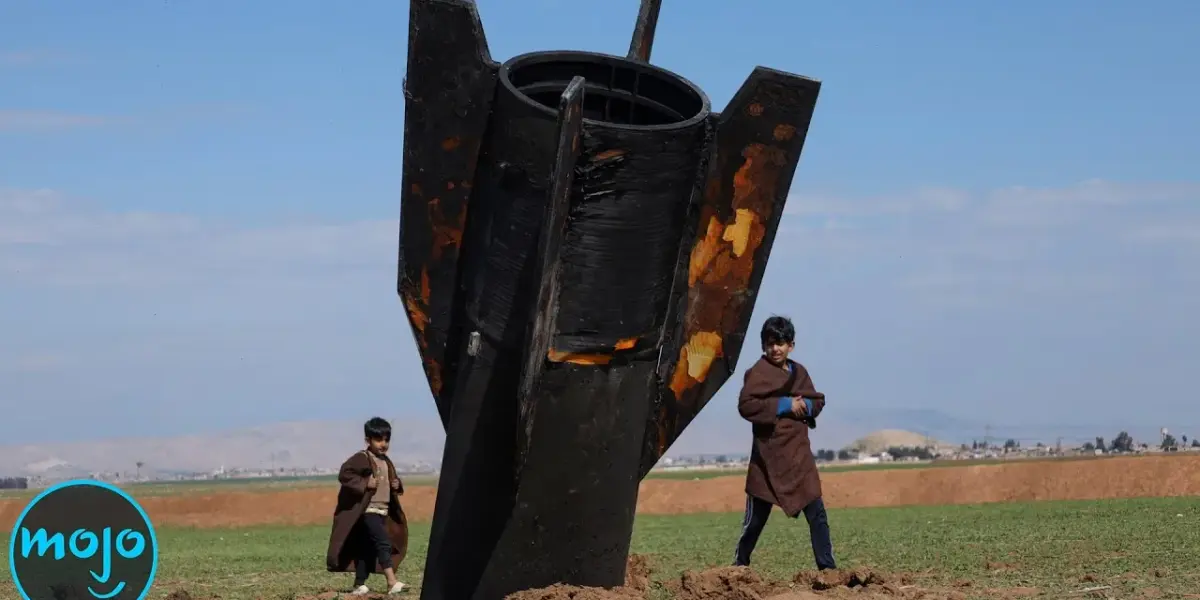
Is World War 3 Already Underway? Major Events Spark Debate
The chilling question of whether World War III has already begun is no longer confined to speculative fiction or hushed geopolitical whispers. A recent analysis highlights a series of critical global events, ranging from overt military actions to seismic economic and health crises, that may have collectively laid the groundwork for an unprecedented global conflict. The argument posits that we might have already experienced the initial, albeit unrecognized, stages of World War III, transforming our understanding of historical flashpoints.
The Unfolding Crisis: A Countdown of Critical Moments
The examination, presented as a countdown of eight major events, suggests that the path to a potential global war has been paved with incidents that, individually, might seem contained but, in retrospect, reveal a disturbing pattern of escalating tensions and interconnected crises. These events span across continents and impact various facets of international relations, from military engagements to economic stability and public health.
The list includes:
- U.S.–Israel Strikes on Iran: The ongoing tensions and targeted strikes involving the U.S. and Israel against Iran represent a significant escalation in the Middle East, drawing in major global powers and threatening regional stability.
- Russia–Ukraine Invasion: Russia’s full-scale invasion of Ukraine in February 2022 marked a dramatic return of large-scale warfare to Europe, triggering widespread international condemnation, severe sanctions, and a significant geopolitical realignment.
- Israel–Hamas War: The conflict that erupted in October 2023 following Hamas attacks on Israel has led to a devastating humanitarian crisis in Gaza and heightened fears of a broader regional conflagration involving other Middle Eastern powers and their global allies.
- COVID-19 Pandemic Shockwaves: The global COVID-19 pandemic, beyond its tragic human toll, exposed vulnerabilities in international cooperation, disrupted supply chains, and exacerbated existing geopolitical tensions, demonstrating the interconnectedness of global health and security.
- U.S.–China Strategic Break: The increasingly complex and often adversarial relationship between the United States and China, marked by trade wars, technological competition, and disputes over Taiwan, represents a fundamental shift in the global power balance.
- Russia’s Annexation of Crimea: Russia’s annexation of Crimea in 2014, following the Ukrainian Revolution, was a precursor to the current conflict and a clear violation of international law that signaled a more assertive and aggressive stance from Moscow.
- The 2008 Global Financial Crisis: This severe worldwide economic crisis had far-reaching consequences, destabilizing markets, leading to widespread unemployment, and contributing to political unrest and shifts in global economic power.
- September 11 Attacks: The 2001 terrorist attacks on the United States fundamentally reshaped global security policies, triggered prolonged military interventions in the Middle East, and ushered in an era of heightened counter-terrorism efforts worldwide.
A New Era of Conflict?
The argument suggests that these events, viewed collectively, paint a picture of a world grappling with multiple, overlapping crises. The interconnectedness of global systems means that a conflict or crisis in one region can rapidly have repercussions elsewhere, blurring the lines between localized disputes and a truly global confrontation. The rise of asymmetrical warfare, cyber threats, and the potential for economic coercion further complicate the traditional understanding of warfare, making a clear declaration of war less likely and a gradual descent into conflict more plausible.
The analysis prompts a crucial question: Are we witnessing the early stages of a new world war, one that doesn’t necessarily involve the direct, declared combat of nations on a massive scale, but rather a series of interconnected conflicts, proxy wars, economic sanctions, and ideological battles that are fundamentally reshaping the global order?
Audience Reaction and Geopolitical Implications
The discussion around these critical events is sparking significant debate among audiences and experts alike. The idea that World War III might already be in progress challenges conventional thinking and forces a re-evaluation of recent history. The potential implications are vast, affecting international alliances, defense spending, economic policies, and the very fabric of global society. As tensions continue to simmer and flare in various parts of the world, the question of whether we have crossed a threshold into a new era of global conflict remains a pressing and unsettling one.
Source: Has World War 3 ALREADY Started? 8 Major Events So Far (YouTube)

Related Articles
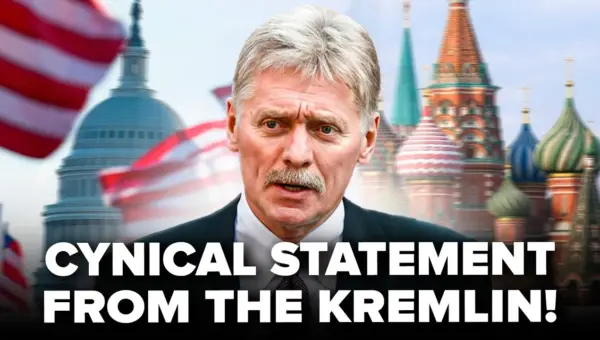
Moscow Shifts Blame, Eyes Global Order as Ukraine Talks Stall
Moscow casts doubt on upcoming Ukraine peace talks, shifting focus to global order discussions. Meanwhile, Italy links current crises to the Ukraine war, and Europe explores enhanced defense strategies amid rising tensions.

Bitcoin Price Holds Strong Amidst Geopolitical Tension
Arthur Hayes discusses Bitcoin's resilience amidst geopolitical tensions and the AI-driven job market disruption. He re-evaluates Bitcoin's role, highlights gold's rise due to central bank diversification, and predicts potential economic crises fueled by AI-induced unemployment.

Iran Under Siege: Fighter Jet Downed Amidst Barrage
An Iranian fighter jet was shot down by an Israeli F-35 amidst a relentless bombing campaign targeting Iran's military infrastructure. Footage reveals widespread destruction, while Iran continues to launch ballistic missiles, indicating a brutal and escalating conflict.