Is Trump’s Paranoia Driving Foreign Policy Decisions?
Concerns are mounting over whether Donald Trump's personal fears, particularly regarding security and his own well-being, are influencing his foreign policy decisions. The construction of a fortified bunker and his rhetoric on international conflicts, like the situation with Iran, are presented as key examples. This analysis explores the potential psychological drivers behind his actions and their implications.

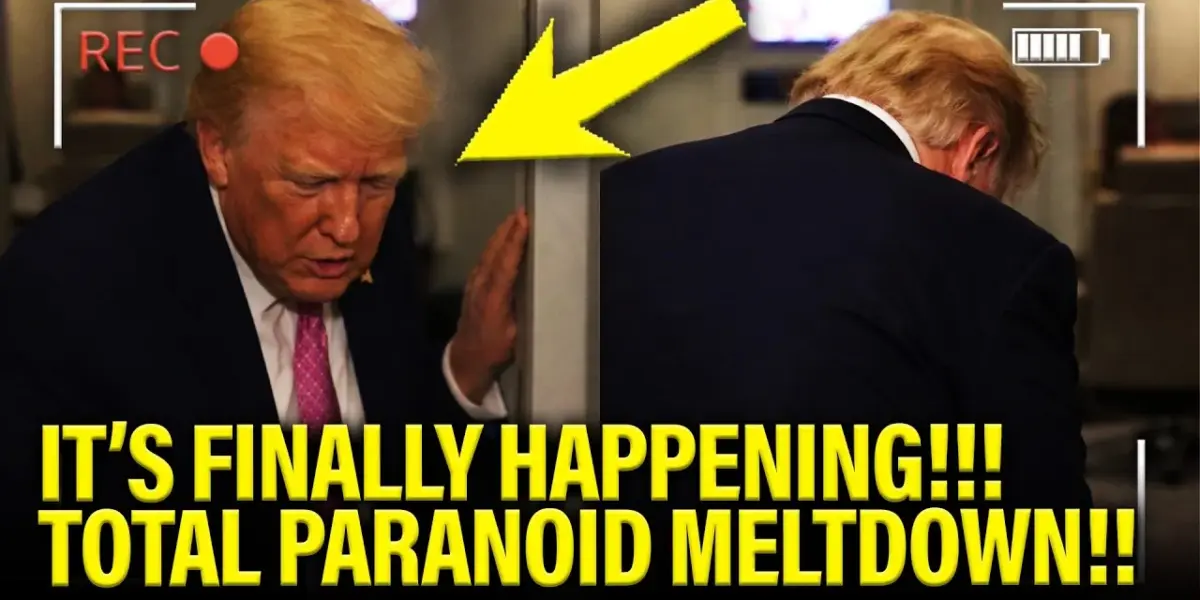
Fear and Decision-Making: A Closer Look
Recent discussions have focused on Donald Trump’s state of mind and how it might influence his actions, especially concerning foreign policy. The idea is that his personal fears and anxieties could be shaping important national decisions. This analysis explores these claims, looking at specific examples and the potential consequences.
The Bunker and the Ballroom: A Symbol of Fear?
One key point raised is the construction of a large ballroom and an underground complex. Initially, the purpose was described vaguely, but later comments suggest it’s a secure, bunker-like structure. The explanation given is that it’s designed to protect against threats like drones, featuring reinforced windows and advanced security. This focus on personal safety, even during times of international conflict, has led some to question if it reflects a deeper sense of vulnerability and paranoia.
The transcript suggests that Trump himself has linked the construction to security concerns, mentioning drone protection and the need for a safe space. He’s quoted as saying the ballroom is like a “shed” compared to the massive military installation being built beneath it. The use of bulletproof glass and the sheer scale of the underground project are presented as evidence of a deep-seated fear of attack.
Connecting Personal Fears to Global Conflicts
The argument is made that this personal focus on security, symbolized by the bunker, is connected to his approach to international conflicts, particularly with Iran. The transcript suggests that Iran is using videos to play on these perceived fears, mocking Trump’s anxiety about drones and his need for protection. This creates a cycle where his perceived paranoia might be exploited by adversaries.
Furthermore, the way Trump discusses ongoing military actions is compared to his discussions about the ballroom. He’s quoted as saying, “We’re ahead of schedule in Iran,” drawing a parallel to being ahead of schedule with the ballroom construction. This comparison, the analysis suggests, highlights a tendency to equate complex geopolitical situations with personal projects, potentially downplaying the seriousness of war.
Cognitive Tests and Public Perception
The transcript also touches upon Trump’s public emphasis on passing cognitive tests. He has stated he’s the only president to take and ace such tests multiple times, describing them as difficult and a measure of mental sharpness. This insistence on proving his cognitive abilities is presented as another sign of underlying insecurity or a need to counter perceptions of mental decline.
However, the analysis contrasts this with how he is perceived internationally. Videos circulating, reportedly from Iranian state media, are said to depict him as sweaty and panicking, often showing him with a bandaged or discolored hand. These portrayals, whether accurate or not, suggest that external observers may see him as physically and mentally deteriorating, and this perception is being used for propaganda.
Rhetoric on Iran and Regime Change
A significant portion of the discussion revolves around Trump’s claims about Iran. He asserts that regime change has already occurred and that he is speaking with new, reasonable leaders who like him. This is sharply contrasted with the reality presented, which suggests that Iran is not engaging in such direct conversations and has firm, non-negotiable demands regarding its nuclear program, missile capabilities, and regional security.
The transcript criticizes these claims as delusional or as attempts to manipulate markets, arguing that Trump is not having the conversations he describes. The stated Iranian positions include retaining control of key waterways and demanding security guarantees, conditions that appear to contradict Trump’s narrative of successful negotiations and immediate compliance.
Shifting Support and Accusations
The analysis also notes a reported drop in Trump’s support among the Hispanic population, describing it as an all-time low. This is juxtaposed with his claims that Hispanics love him more than ever. The transcript also highlights his strong rhetoric against Democrats, calling them “sick” and “terrorists” who need to be stopped from opening the border.
Why This Matters
Understanding the potential influence of personal psychology on national policy is crucial. If decisions about war, peace, and international relations are driven by an individual’s fears or a need to project strength, the consequences can be far-reaching and unpredictable. It raises questions about accountability and the stability of foreign policy when it seems tied to personal anxieties rather than objective assessments.
Historical Context and Future Outlook
Throughout history, leaders’ personal traits have often played a role in shaping their nations’ paths. However, in the age of instant global communication and complex geopolitical challenges, the impact of individual psychology can be amplified. The current situation, as presented, suggests a pattern where personal narratives and perceived threats intertwine with foreign policy actions.
Looking ahead, the continued focus on the leader’s mental and physical state, alongside external perceptions and propaganda, could influence international dynamics. It points to a need for clear communication, verifiable information, and a consistent approach to foreign policy that is insulated from personal anxieties. The challenge lies in discerning genuine strategic decisions from those potentially influenced by a leader’s internal state, especially when adversaries actively seek to exploit perceived weaknesses.
Source: Trump’s Health COLLAPSES as WAR Causes FULL PARANOIA!!! (YouTube)

Related Articles
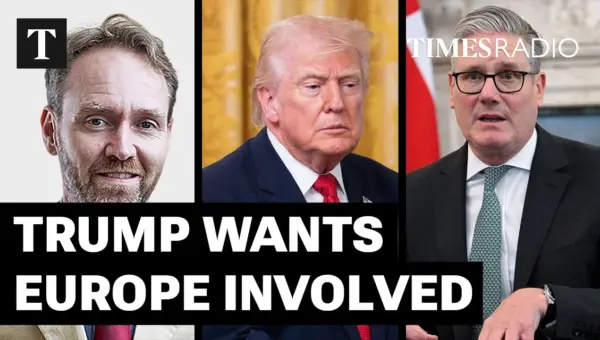
Trump Pushes Europe Towards Gulf Conflict
Donald Trump is urging European allies, particularly the UK, to take a more active role in the Middle East, suggesting direct confrontation in the Strait of Hormuz. As the US faces military strain, Trump employs his unique 'weave' communication style, using diversions to manage public perception and diplomatic pressure. The article also contrasts British expatriate experiences in the US with those in Europe, noting surprising hospitality in America versus perceived negativity and resentment in some European cities.
Trump’s Strait of Hormuz Ultimatum: Buy US Oil or Fight
President Trump has issued a stark ultimatum regarding the Strait of Hormuz, urging nations reliant on its oil to buy from the US or take action themselves. This follows intensified US strikes and diplomatic offers to Iran, signaling a new phase in regional tensions.
Hegseth Undermines Trump’s War Plans Daily
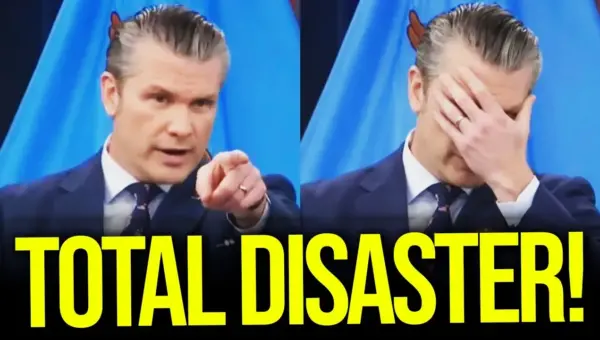
Pete Hegseth, Trump's Secretary of Defense, is reportedly undermining the former president's stated war plans with Iran. Conflicting timelines, shifting objectives, and ethical questions surrounding financial dealings create significant uncertainty. This situation highlights the challenges of clear communication and strategic consistency in national security.