Is the Algorithm Silencing Independent Voices?
Creators are reporting a mysterious drop in viewership, sparking fears of algorithmic suppression. This analysis explores the impact of 'shadow banning' and how audience interaction can help independent voices stay visible online. The trend raises critical questions about information control and the future of digital discourse.

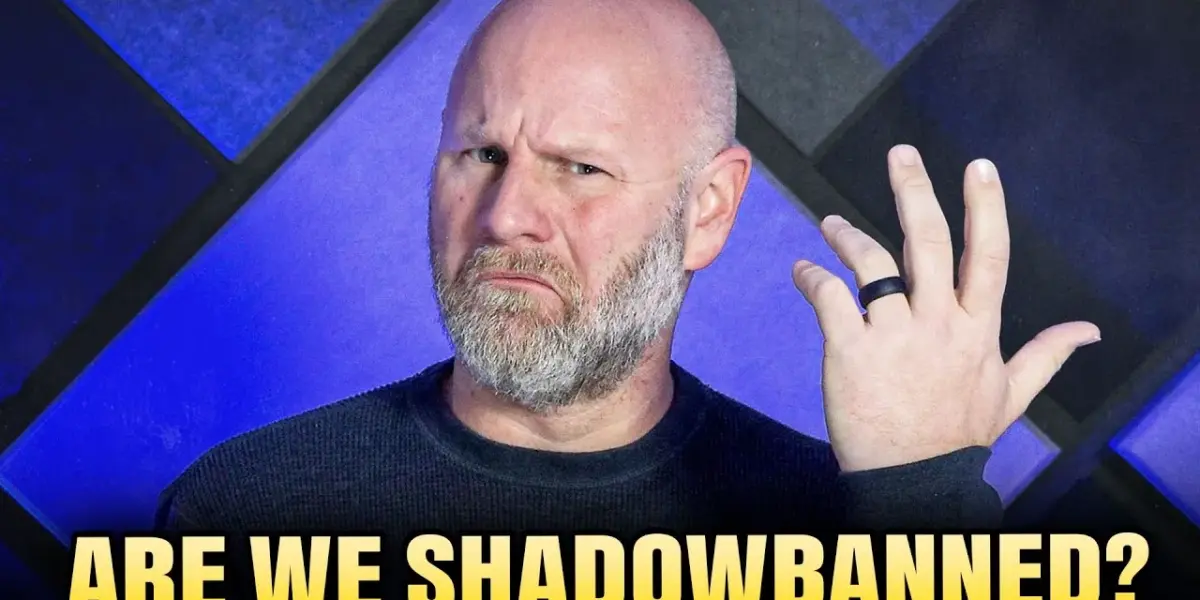
The Algorithm’s Grip Tightens
Something strange is happening on online platforms, and many creators are feeling it. It’s not just one or two people; a growing number of independent voices are noticing a sudden drop in their viewership. This isn’t about a lack of interest from audiences. Instead, it seems like the invisible hand of the platform’s algorithm might be at play, making it harder for content to reach viewers.
Shadows in the Data
David Pacman, a well-known content creator, recently spoke about experiencing what he called ‘shadow banning.’ This means his videos suddenly received far fewer views across different platforms. This creator on the stream noticed a similar pattern. Usually, their live streams attract thousands of viewers. However, at a specific point, the live count dropped dramatically to just a few hundred.
This sudden dip is concerning. It could mean the platform’s live viewer count is broken. But if the numbers are accurate, it suggests their content isn’t being pushed out to new audiences by the algorithm. This is a big problem for creators who rely on these platforms to connect with their viewers. The numbers continued to fall, adding to the worry.
What is Shadow Banning?
Shadow banning is when a platform limits the reach of a user’s content without telling them. It’s like being put in digital timeout. Your posts might still be visible to your existing followers, but they won’t appear in search results, recommendations, or feeds for people who don’t already follow you. This makes it very hard for new viewers to discover your content and for your existing audience to see it.
The term itself is debated, with some platforms denying its existence. However, many creators report experiencing similar phenomena. They see their content mysteriously disappear from public view or have its distribution severely curtailed. The effect is the same, regardless of the platform’s official stance: reduced visibility and engagement.
The Power of Interaction
To combat this potential algorithmic suppression, creators are asking for audience help. They emphasize the importance of viewer interaction. Liking videos, leaving comments, and replying to other comments all signal to the algorithm that the content is engaging. This engagement encourages the platform to show the content to more people.
It doesn’t require deep thought. A simple ‘Heck yeah!’ or agreeing with another comment can make a difference. The more people interact, the more the algorithm sees the content as valuable and worth sharing. This isn’t just about supporting one creator; many believe this issue affects a wide range of independent creators across various platforms.
Beyond a Single Channel
Comments from viewers suggest this isn’t an isolated incident. One viewer mentioned that YouTube might be behaving like Twitch did, encouraging active participation. Another pointed out that Mary Trump is experiencing similar problems. This indicates a widespread issue, not just a problem for one channel or one platform. The concern is that if these platforms continue to limit the reach of independent voices, viewers might be left with fewer choices, potentially dominated by more mainstream or conservative media.
The Nuances of Engagement
It’s not just about clicking and leaving. Creators are also warning about the negative impact of short viewing times. If viewers click on a video but only watch for a few seconds before leaving, it can actually hurt the content’s performance. Platforms interpret this as a sign that the content is not engaging or relevant, leading them to push it out less. This means that simply clicking on a video isn’t enough; viewers need to watch for a meaningful amount of time for it to be beneficial.
The advice is clear: if you want to support a creator, watch their content. Don’t just click on it and expect that to help. If you don’t enjoy the content, that’s fine. But if you do, engaging with it thoughtfully is the best way to ensure it continues to be seen and heard.
Why This Matters
The potential for algorithmic suppression raises important questions about free speech and the diversity of information online. Independent creators often provide unique perspectives and critical commentary that might not be found in mainstream media. If their reach is artificially limited, it can create an echo chamber and reduce the variety of viewpoints available to the public. This situation highlights the delicate balance between platform control and creator autonomy.
Historical Context
Online platforms have always evolved, and their algorithms change. In the early days of platforms like YouTube, visibility was often higher. As platforms grew, they introduced more complex algorithms to manage the sheer volume of content and to maximize user engagement for advertising purposes. This has led to a constant arms race between creators trying to understand and work with the algorithm, and the platforms themselves fine-tuning it.
Concerns about censorship and bias on social media platforms are not new. Throughout the history of the internet, debates have raged about who controls the flow of information and whether platforms are acting as neutral conduits or active editors. The current situation echoes past anxieties about large tech companies wielding significant power over public discourse.
Implications and Future Outlook
If this trend of reduced algorithmic reach continues, it could force creators to seek alternative platforms or diversify their strategies. We might see a rise in decentralized video platforms or a greater reliance on direct community support, like subscriptions and donations. For viewers, it means becoming more proactive in seeking out the content and creators they value.
The future likely involves ongoing tension between creators, platforms, and audiences. Platforms will continue to adjust their algorithms based on their business goals, while creators will adapt their content and engagement strategies. Audiences will need to be more discerning and supportive, understanding that their interaction is crucial for the survival of independent voices in the digital space. The question remains: will platforms prioritize open access and diverse voices, or will their algorithms continue to shape what we see, potentially limiting the scope of online conversation?
Source: Is this all about to end? (YouTube)

Related Articles

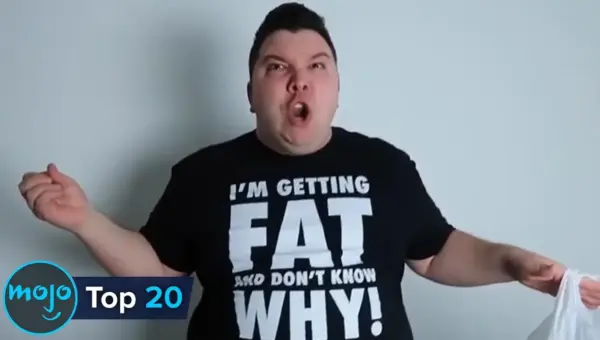
YouTube’s Dark Side: 20 Creators Who Fooled Us All
Watch Mojo's countdown reveals 20 YouTubers who built massive followings on deceptive personas. From fake deaths and plagiarism to scams and harassment, these creators fooled the world before their controversies came to light. The list serves as a stark warning about online authenticity and accountability.
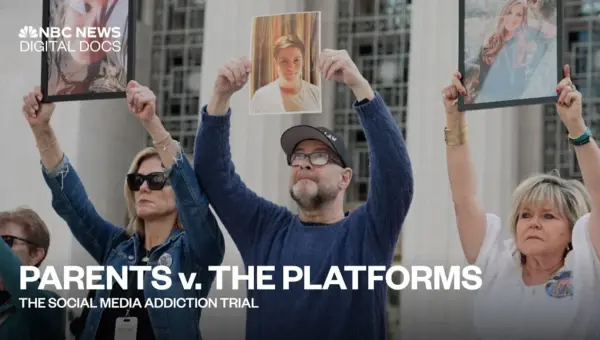
Parents Win Landmark Social Media Trial Against Big Tech
A landmark trial in Los Angeles has concluded with a jury finding Meta and YouTube liable for harm caused by their platforms' addictive designs. Parents who lost children to social media-related issues celebrated the verdict, calling it a victory for a generation. Tech companies maintain their stance, arguing mental health is complex and cannot be solely blamed on apps.

New Food Channel Seeks 1,000 Subs, 4,000 Watch Hours
Content creators Joe and Naz have launched a new YouTube channel focused on food exploration. "Joe and Naz" aims to reach 1,000 subscribers and 4,000 watch hours to grow its audience. The duo plans to feature restaurant reviews, travel, and audience-suggested content.