Iron Man: The MCU’s Flawless Foundation Returns
Eighteen years after its groundbreaking release, 2008's Iron Man is revisited as the flawless foundation of the MCU. As Robert Downey Jr. prepares to return as Doctor Doom, this article explores the film's enduring legacy, its impact on the cinematic universe, and the innovations that continue to shape superhero storytelling.

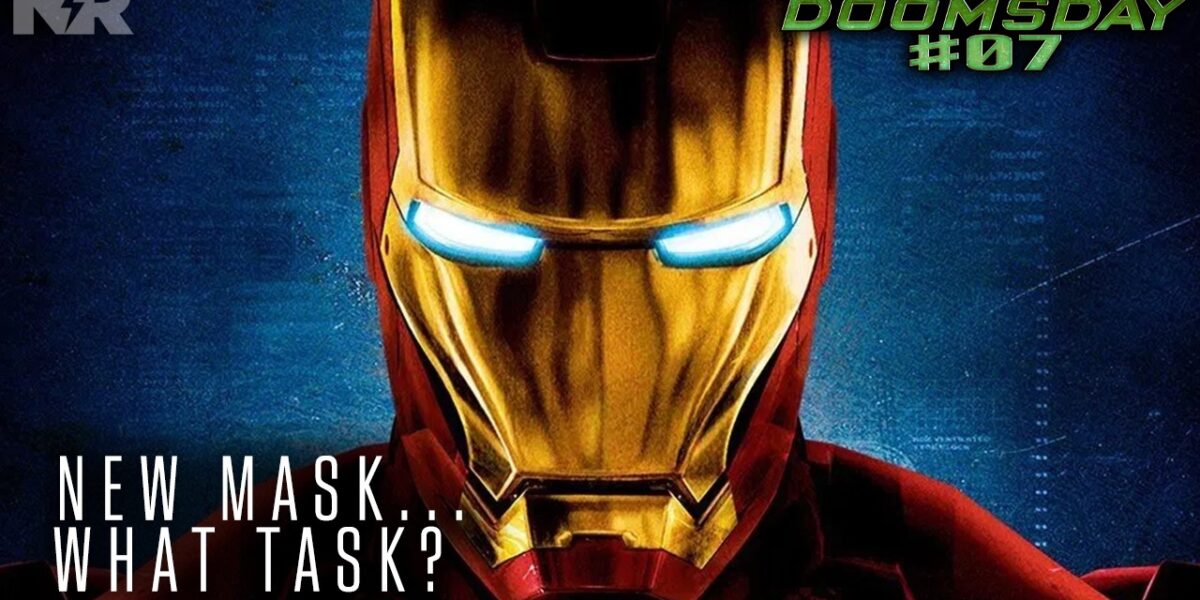
Iron Man: The MCU’s Flawless Foundation Returns
Eighteen years ago, a gamble was placed on a lesser-known Marvel property and a comeback actor that would redefine blockbuster cinema. That gamble was 2008’s Iron Man, and it paid off spectacularly, birthing the Marvel Cinematic Universe (MCU) and forever changing the landscape of superhero films. As Robert Downey Jr. prepares to reprise his role as Tony Stark, albeit in a new, villainous guise as Doctor Doom in the upcoming Avengers: Doomsday, revisiting the film that started it all feels more crucial than ever. This is not just a look back; it’s an exploration of the foundational DNA that has permeated every subsequent MCU entry.
A Perfect Blueprint for a Universe
In a special episode of their ‘Road to Doomsday’ series, Eric Boss and Jessica Clemens delve deep into the enduring legacy of Jon Favreau’s directorial debut for Marvel Studios. They argue that Iron Man isn’t just a good movie; it’s a near-perfect film that holds up remarkably well, establishing a benchmark that, in many ways, subsequent MCU installments have struggled to surpass. “Honestly, it’s perfect,” Clemens states, a sentiment echoed by Boss, who believes that “every other movie is in this movie’s shadow in the MCU.”
The film’s success was paramount. “If this movie did not hit, Feige would have lost everything. They bet the house on this movie,” Boss emphasizes. The stakes were incredibly high for Marvel Studios, which was independently financing its first major feature. The result was a film that not only introduced Tony Stark but also laid the groundwork for the interconnected universe that would follow, with “connective tissue back to Iron Man” visible in nearly every Marvel movie since.
The Birth of an Icon and an Industry
Iron Man, released on May 30, 2008, was a critical and commercial triumph. Directed by Jon Favreau and written by Mark Ferguson, Hawk Osby, Art Markham, and Matt Holloway, with a polish by John August, the film defied expectations. It introduced audiences to Tony Stark (Robert Downey Jr.), a billionaire genius, playboy, and philanthropist whose world is shattered when he’s captured by terrorists in Afghanistan. Forced to build a weapon of mass destruction, he instead crafts a rudimentary armored suit powered by an arc reactor, saving himself and his fellow captive, Yinsen (Shaun Toub).
Upon his return, a profoundly changed Stark renounces his company’s role in global conflict, declaring his intention to demilitarize and pursue peace. This decision puts him at odds with his father’s former business partner, Obadiah Stane (Jeff Bridges), who secretly orchestrated Stark’s capture and seeks to seize control of Stark Industries. The film culminates in a spectacular battle between Stark’s Mark I suit and Stane’s formidable Iron Monger armor.
The film’s narrative brilliance lies in its tight pacing and compelling character arc. Stark’s transformation from a self-absorbed arms dealer to a selfless hero is believable and earned. Downey Jr.’s performance is legendary, particularly his iconic ad-libbed line at the end: “I am Iron Man.” This declaration, a stark contrast to the typical superhero secret identity trope, not only cemented Stark’s public persona but also signaled the MCU’s willingness to break from tradition. The post-credits scene, featuring Samuel L. Jackson as Nick Fury introducing the “Avengers Initiative,” was a revolutionary moment, officially launching the shared universe concept.
Echoes of Iron Man in the MCU and Beyond
The impact of Iron Man is undeniable, with its influence stretching across the entire MCU and even into current Hollywood trends. The article highlights how elements from the film have been revisited or echoed in later projects. The mention of Howard Stark’s work on the Manhattan Project gains new significance with Robert Downey Jr.’s recent role as Lewis Strauss in Oppenheimer, a performance that reportedly helped secure him the Doctor Doom role. The film’s exploration of Stark Industries’ legacy, the introduction of characters like James Rhodes (Terrence Howard, later Don Cheadle), Pepper Potts (Gwyneth Paltrow), and the clandestine organization S.H.I.E.L.D. (represented by Clark Gregg’s Agent Coulson), all became cornerstones of the MCU.
The ‘Road to Doomsday’ discussion posits intriguing questions about Downey Jr.’s potential return as Doctor Doom. Will Doom embody the “new mask, same task” mantra? Could his origin mirror Stark’s cave-building, perhaps without a Yinsen to guide him? The article speculates on callbacks, such as a scene of Doom forging his mask with “a box of scraps.”
Beyond plot points, the film’s thematic resonance with the era is also explored. Released during the 2008 election cycle and amidst the ongoing War on Terror, Iron Man offered a cathartic fantasy of a hero capable of precise intervention without collateral damage, a stark contrast to the real-world conflicts dominating headlines. This grounding in contemporary anxieties, while still embracing superhero spectacle, was a key factor in its success.
Innovations That Changed Filmmaking
Iron Man was not just a narrative triumph but also a technical one. The visual effects, particularly the rendering of the Iron Man suits, still hold up remarkably well. The article credits this to the focus on tangible, metallic textures rather than overly complex digital skin or hair. Furthermore, the invention of the heads-up display (HUD) within the suit’s helmet was a groundbreaking innovation. This allowed audiences to see Robert Downey Jr.’s performance while simultaneously conveying crucial information, a technique that unlocked the potential for portraying actors within armored suits and influenced countless subsequent films, including Peter Parker’s Iron Spider suit.
The film also challenged the convention of secret identities, with Tony Stark famously revealing his superhero persona to the world. This decision, influenced by the popular Ultimate Marvel comics, set a precedent for many MCU heroes who operate as public figures, simplifying the narrative complexity for a shared universe. This was a bold move, distinguishing the MCU from many of its predecessors.
A Difficult Path to the Screen
The journey of Iron Man to the screen was far from straightforward. The article touches upon the film’s development hell, with Universal Studios initially holding the rights in the early 90s. Potential directors like Stuart Gordon and actors like Nicolas Cage and Tom Cruise were attached at various points, with each iteration promising a vastly different film. The rights eventually returned to Marvel, who, facing bankruptcy, had sold off many character rights. Marvel Studios’ decision to produce Iron Man independently was a pivotal moment, allowing them creative control and the ability to build their own cinematic universe.
The success of Iron Man proved that Marvel could create compelling films based on its characters, even those not as universally known as Spider-Man or the X-Men at the time. It established a blueprint for character-driven superhero narratives, blending action, humor, and genuine emotional depth. As the MCU looks towards its next major saga with Avengers: Doomsday, the foundational brilliance of 2008’s Iron Man remains an essential touchstone, a reminder of the singular vision that launched a phenomenon.
Road to Doomsday Schedule
This episode is part of a larger series leading up to Avengers: Doomsday. Future installments include discussions on the 2004 and 2008 Punisher films, and 2008’s The Incredible Hulk. Fans are encouraged to mark their calendars and join the journey down the “Doomsday road.”.
Source: IRON MAN (2008) REVISITED | Road to Doomsday Episode 7 (YouTube)

Related Articles

Trailer Tracker: When to Expect Blockbuster Previews
As 2026 approaches, anticipation for major film and TV trailers is mounting. This in-depth look analyzes release patterns and predicts when fans can expect sneak peeks for 'Avengers: Doomsday,' 'Spider-Man: Brand New Day,' DC's 'Clayface,' and more.

Ghost Rider: Cage’s Fiery Ride Through MCU History
Revisiting Nicolas Cage's fiery portrayal of Johnny Blaze in the 2007 'Ghost Rider' and its 2012 sequel, this podcast episode explores their place in Marvel's cinematic history and potential future MCU appearances. Despite mixed reviews, the films offer a unique spectacle and a character ripe for multiversal sagas.

Avengers Doomsday: Early Buzz Hints at Box Office Smash
Early internal screenings of Marvel's 'Avengers: Doomsday' are reportedly generating significant buzz, with executives pleased and rivals predicting box office dominance. While plot details remain speculative, the film is expected to be an epic culmination of the Multiverse Saga.