Iron Man 2: Did It Pave the Way for Doomsday?
Revisiting the ambitious 2010 sequel 'Iron Man 2,' we explore how its narrative complexities, character introductions, and universe-building efforts may have foreshadowed the challenges and triumphs of future MCU installments like 'Avengers: Doomsday.'

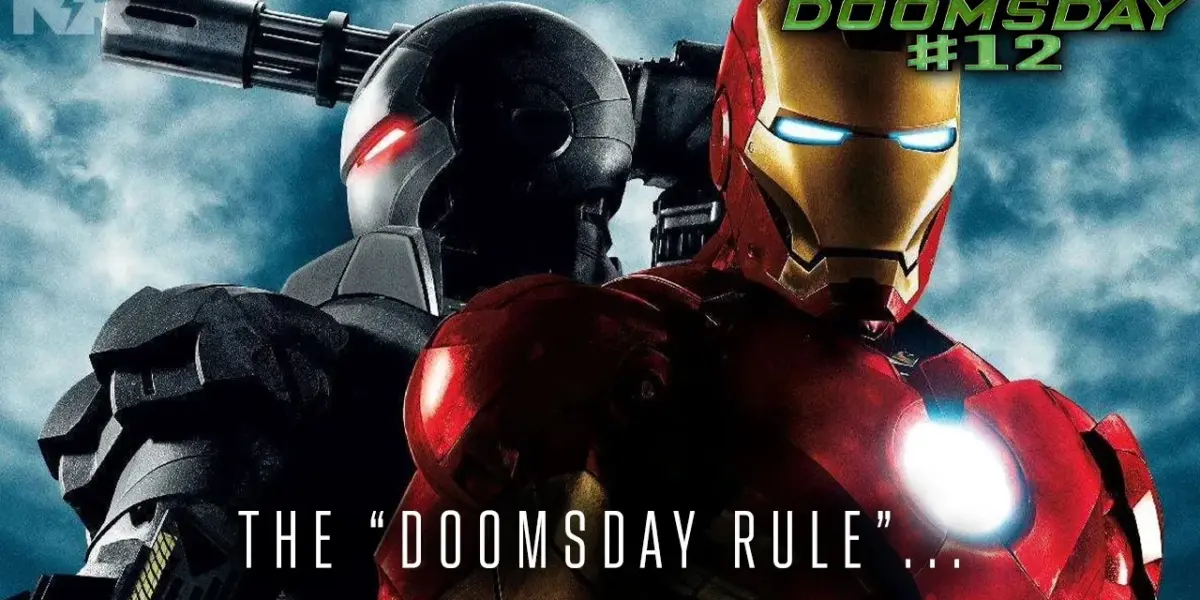
Iron Man 2: Did It Pave the Way for Doomsday?
In the sprawling landscape of the Marvel Cinematic Universe, some films serve as foundational cornerstones, while others feel more like ambitious experiments. 2010’s Iron Man 2, the tenth film released and the sixth in Phase One, often falls into the latter category. Revisiting this 2010 sequel, fans and critics alike are asking: did this film, which grappled with expanding the MCU’s interconnected narrative, inadvertently lay the groundwork for the monumental task ahead with Avengers: Doomsday? This episode of ‘Road to Doomsday’ delves into the legacy of Iron Man 2, exploring its production challenges, its surprising foreshadowing, and its lasting impact on the cinematic universe.
A Franchise-Defining Juggling Act
Released on May 7, 2010, by Paramount Pictures (before Disney’s full acquisition of Marvel Studios), Iron Man 2 arrived at a pivotal moment. The success of the first Iron Man had proven the viability of an interconnected superhero universe, and the studio was eager to capitalize. However, this ambition came with a heavy price. Director Jon Favreau, returning from the first film, found himself navigating a complex web of plot threads designed to introduce new characters and set up future installments, including Thor and Captain America: The First Avenger.
The film attempts to balance Tony Stark’s personal struggles with his palladium poisoning against the backdrop of government pressure, the rise of new villains, and the burgeoning world of S.H.I.E.L.D. This ambitious undertaking, while resulting in a film that undeniably broadened the MCU’s scope, also led to a narrative that felt, at times, overstuffed. As host Eric Voss notes, “The first movie was just Iron Man becoming Iron Man. And this movie is like, what does the name Iron Man mean?” This question of identity and legacy is central to the film, as Tony grapples with his father’s past and his own mortality.
Easter Eggs and Echoes of the Future
Beyond its narrative ambitions, Iron Man 2 is notable for its density of Easter eggs and subtle foreshadowing. One intriguing detail highlighted is an Illuminati icon appearing on Tony Stark’s phone, a potential nod to the multiverse that could tie into the Dr. Doom variant’s origins in the 838 universe. This kind of deep-cut reference underscores Marvel’s long-term planning, even in its early phases.
The film also features a memorable line delivered by Don Cheadle’s James “Rhodey” Rhodes: “It’s me. I’m here. Deal with it. Let’s move on.” This meta-commentary on recastings, particularly relevant given Cheadle’s stepping into the role previously played by Terrence Howard, feels eerily prescient. Could a similar sentiment be echoed in Avengers: Doomsday if Victor von Doom, potentially portrayed by Robert Downey Jr., shares a physical resemblance to Tony Stark? The sentiment, “Let’s move on,” serves as a playful acknowledgment of the audience’s awareness of such shifts within the franchise.
A Cast of Intriguing Additions
Iron Man 2 introduced several key characters and actors who would become integral to the MCU. Scarlett Johansson made her debut as Natasha Romanoff, aka Black Widow, in a scene that immediately showcased her formidable skills. Gwyneth Paltrow returned as Pepper Potts, now CEO of Stark Industries, providing a grounded counterpoint to Tony’s escalating recklessness. Sam Rockwell joined the fray as the flamboyant and insecure arms dealer Justin Hammer, a character whose ambition and rivalry with Stark provided much of the film’s comedic and dramatic tension.
Mickey Rourke portrayed Ivan Vanko, a vengeful scientist seeking retribution against Tony Stark and his father. While Rourke’s performance was praised, the character’s limited screen time opposite Stark left some viewers wanting more direct confrontation. The film also featured a memorable cameo from Elon Musk, adding to the star-studded ensemble and the film’s thematic exploration of technological advancement and its societal impact.
The ‘Demon in a Bottle’ and the MCU’s Direction
A significant plot point in Iron Man 2 is Tony Stark’s struggle with alcoholism, a storyline directly inspired by the iconic comic arc “Demon in a Bottle.” The film depicts Tony’s descent into heavy drinking, his erratic behavior, and the dangerous consequences of his actions. While writer Justin Theroux reportedly pushed for a darker exploration of this theme, Marvel Studios head Kevin Feige opted for a less intense approach, prioritizing the overarching narrative of fathers and sons and the broader MCU’s interconnectedness.
This decision highlights a key difference in the MCU’s early strategy. While Iron Man 2 touched upon mature themes, it ultimately steered clear of the more somber implications of Tony’s alcoholism, opting instead to keep the tone relatively light and accessible, paving the way for the more family-friendly adventures that would follow.
A Universe in Motion
Iron Man 2 masterfully wove together multiple storylines, setting the stage for the wider MCU. The film confirms that the events of The Incredible Hulk were happening concurrently, and through post-credit scenes and S.H.I.E.L.D. debriefings, it placed Thor and Captain America: The First Avenger within the same general timeframe. Agent Phil Coulson’s discovery of Mjolnir in New Mexico, setting up the events of Thor, is a prime example of this intricate plotting.
The film’s ambition to connect so many threads has led to discussions about its effectiveness. While some critics felt it sacrificed narrative cohesion for the sake of universe-building, others lauded its intricate planning. As one reviewer noted, “It feels so comic-booky… It’s so much lore that it’s like, ‘Oh [expletive], I don’t know what’s going on.’ It definitely was made for the fans, too.” This sentiment encapsulates the film’s dual nature: a crowd-pleaser for existing fans and a potential point of confusion for newcomers.
Legacy and Looking Ahead
Despite its perceived flaws, Iron Man 2 remains a significant film in the MCU’s history. It successfully introduced Black Widow, War Machine, and set the stage for numerous future storylines. The film’s exploration of Tony Stark’s legacy, his complex relationship with his father, and his own mortality are themes that continue to resonate.
As fans eagerly await Robert Downey Jr.’s potential return as Victor von Doom in Avengers: Doomsday, revisiting Iron Man 2 offers a unique perspective. The film’s willingness to experiment with narrative structure, introduce a vast array of characters, and playfully acknowledge its own in-universe logic may well be the very qualities that allowed the MCU to grow into the global phenomenon it is today. Whether it directly paved the way for Doomsday or simply represents an early, bold step in that direction, Iron Man 2 remains a fascinating case study in cinematic universe building.
Source: IRON MAN 2 REVISITED | Road to Doomsday Episode 12 (YouTube)

Related Articles
Iron Man 2: The MCU’s Unsung Blueprint Revealed!
The 2010 film 'Iron Man 2' is being re-evaluated as the unsung blueprint for the Marvel Cinematic Universe's expansive logic and interconnected storytelling. Hosts of the 'Road to Doomsday' podcast argue that despite its mixed reception, the sequel laid crucial groundwork for future MCU installments.

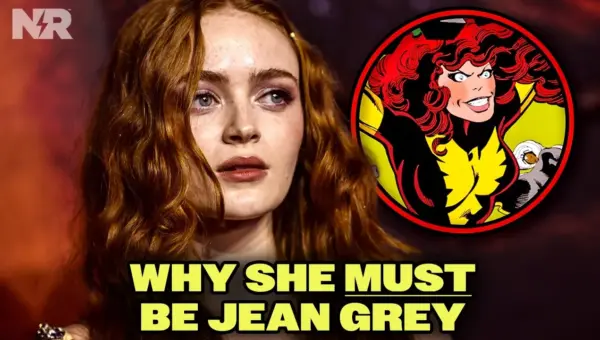
Sadie Sink’s Jean Grey Arrives: How Marvel Rewrites Mutant History
Sadie Sink's rumored casting as Jean Grey in 'Spider-Man: Brand New Day' ignites speculation about mutant origins in the MCU. Explore theories on how Marvel could integrate Jean and the Phoenix Force before 'Secret Wars.'
Doctor Strange Becomes Doom’s Right-Hand Man in Avengers Doomsday!
New theories suggest Benedict Cumberbatch's Doctor Strange will serve as Dr. Doom's right-hand man in Avengers Doomsday. Drawing from Jonathan Hickman's Secret Wars comics, this role mirrors Strange's comic counterpart as the "Sheriff of Agamoto" to God Emperor Doom. The film's ending from Multiverse of Madness, featuring Strange's third eye, may foreshadow this dark allegiance.