IRGC’s Grip: Is Defeating Iran’s Guard Key to Regime Change?
The Islamic Revolutionary Guard Corps (IRGC) is identified as a primary obstacle to regime change in Iran. Its deep integration into the nation's military, economy, and infrastructure, coupled with its ideological resolve, makes it a formidable 'pritorian guard' of the current leadership. Experts suggest its defeat may be necessary to alter Iran's political future.

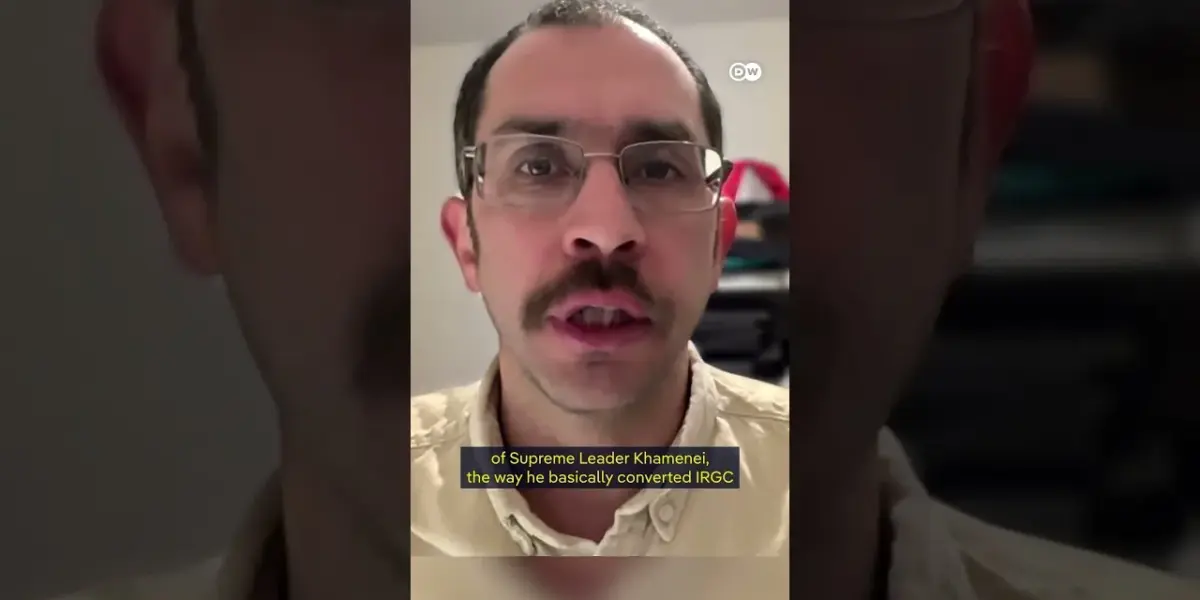
IRGC Dominance: A Major Hurdle for Iranian Regime Change
Following the recent killings of Supreme Leader Ali Khamenei and other high-ranking Iranian officials, global attention has intensified on the Islamic Revolutionary Guard Corps (IRGC), Iran’s most powerful military and economic entity. Experts suggest that the defeat of the IRGC may be a prerequisite for any successful regime change within the Islamic Republic. The IRGC, deeply embedded within the state’s infrastructure, has evolved from a veteran force of the Iran-Iraq conflict into an all-encompassing organization controlling vast sectors of the economy, telecommunications, and advanced weaponry, including missiles and drones. It also commands its own intelligence, naval, land, and air forces, effectively acting as the “pritorian guard” of the current regime.
The IRGC’s Extensive Reach and Influence
Sussan Shadbadim, a historian of contemporary Iran, explained the IRGC’s significant growth and pervasive influence. “It has grown. It is one of the big legacies I would say of Supreme Leader, the way he basically converted RGC into basically a veteran force which took part in the Iran Iraq conflict into an all-encompassing organization which does everything from civil engineering through to controlling broad sways of the economy having great interest into Iranian telecoms and of course handling the Iranian missile capabilities and and drones and and having its own intelligence, naval force, land force and even air force,” Shadbadim stated.
This broad mandate allows the IRGC to wield considerable power, extending its reach far beyond traditional military functions. Its involvement in civil engineering projects and its significant stakes in key economic sectors, including telecommunications, underscore its deep integration into the fabric of Iran’s state and economy. This comprehensive control makes it a formidable obstacle for any internal or external forces seeking to alter the current political landscape.
Unwavering Resolve: The IRGC’s Ideological Stance
The IRGC views itself as a dedicated force, prepared to make sacrifices in service of the Islamic Republic’s ideology. Shadbadim noted the Guard’s steadfast commitment, stating, “It sees itself as as a body that is ready to have a long list of martyrs who died on in combat and is carrying on according to the sort of indoctrination it received and it it imbued itself with in the era and is carrying on doggedly shooting the missiles until of course it has missiles at its disposal to do so.” This ideological indoctrination and historical narrative of martyrdom appear to fuel its resilience in the face of external pressures and threats from entities like the United States and Israel.
Navigating Uncharted Political Territory
The current geopolitical situation surrounding Iran is described as “uncharted territories politically.” The immediate focus, according to observers, is on the survival of the existing power structures. The IRGC’s entrenched position and its ideological commitment suggest that it will likely resist any attempts to dismantle its authority or undermine the Islamic Republic. The potential for future leadership transitions, following the temporary leadership council, adds another layer of complexity to the already volatile political environment.
Broader Implications and Future Outlook
The IRGC’s pivotal role raises significant questions about the viability and potential outcomes of any movement aimed at regime change in Iran. Its multifaceted control over military, economic, and technological assets means that challenging the IRGC would require a coordinated and sustained effort across multiple fronts. The international community and domestic opposition groups face a monumental task in attempting to weaken an organization that is so intrinsically linked to the state’s survival. The coming months will be critical in observing how the IRGC responds to ongoing pressures and whether internal or external dynamics can erode its formidable influence, potentially paving the way for a different future for Iran.
Source: Is a regime change in Iran only possible if the IRGC is defeated? | DW News (YouTube)

Related Articles

US Strikes Iran: McMaster Explains Objectives Amidst Regional Tensions
Former National Security Advisor H.R. McMaster detailed the U.S. military's immediate objectives in striking Iran, focusing on denying destructive weapons and countering proxy warfare. He indicated that lasting regional security may require a fundamental change in Iran's government, driven by its own people.

Iran Cyber Threats: US Faces Limited Retaliation Risk
While Iran has issued threats of cyber retaliation against the U.S., analysts suggest their capabilities are limited, focusing instead on minor incidents. However, recent drone strikes on Amazon data centers in the Middle East highlight the broader risks to digital infrastructure.

Iran Crisis Spikes Oil Prices, Threatens Global Energy Supply
Millions of barrels of crude oil are being held back daily from global markets, pushing prices up and threatening an energy crisis. The prolonged disruption highlights the world's continued dependence on fossil fuels and the geopolitical risks involved.