Iraqi Town Fuels UK’s Small Boats Crisis
A deep dive into Rania, Iraqi Kurdistan, reveals it as the epicenter of the UK's small boats crisis. Reporters uncovered how a lack of jobs and a history of conflict drive residents into people smuggling, which many view as a noble pursuit. Law enforcement efforts face challenges as the network proves resilient and adaptable.

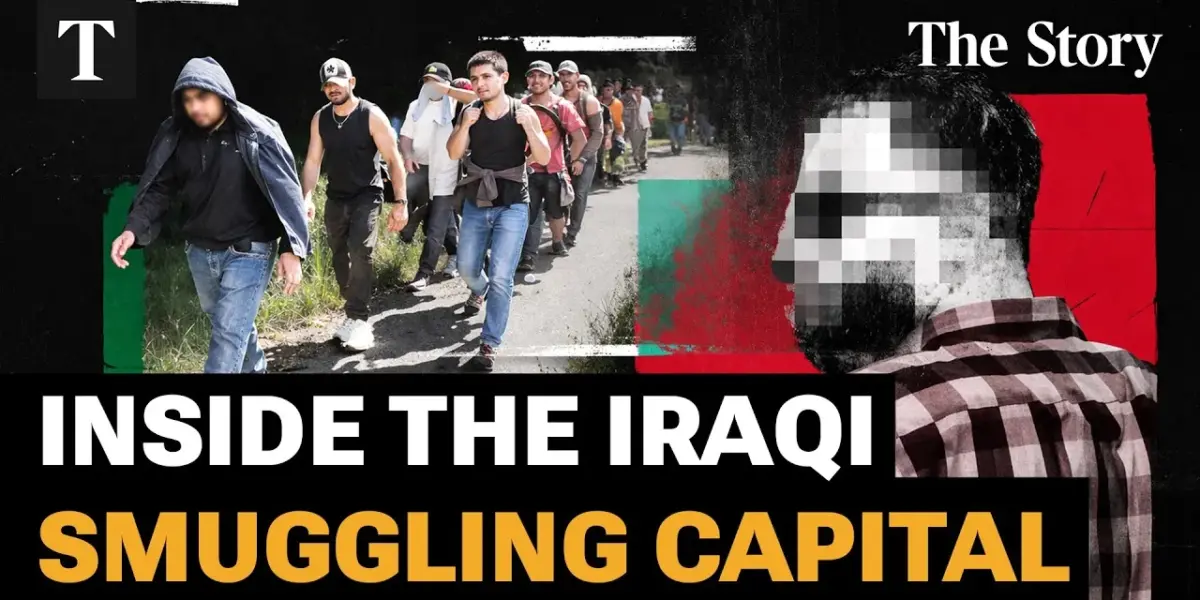
Smuggling Network Rooted in Iraqi Kurdistan Town
A small town in Iraqi Kurdistan, Rania, has become the central hub for the people smuggling operations that fuel the UK’s small boats crisis. Reporters from The Times and Sunday Times investigated the town, revealing that nearly all key figures involved in smuggling migrants across the English Channel originate from this region. The lack of job opportunities and deep-seated resentment in Rania drive many residents into the lucrative, yet dangerous, world of human trafficking.
A Town Built on Resentment and Resilience
Rania, a picturesque village nestled in the mountains of Iraqi Kurdistan, appears unassuming. However, its central park buzzes with hundreds of men gathering for tea and conversation. This gathering point highlights a stark reality: a severe lack of employment and economic prospects. This void has allowed people smuggling to become one of the most thriving, albeit illicit, industries in the area.
Reporter Shame Back explained that the town’s history of unrest and conflict, including chemical attacks under Saddam Hussein, has left a lasting impact. While the region fought for autonomy, it never fully recovered from the devastating bombing campaigns. This history, coupled with ongoing economic hardship, has created a strong desire among many to leave.
“The only money that is coming in is from the relatives of people who went outside of the town. So people who were smuggled out there.”
Motivations Beyond Money
Many individuals involved in smuggling are not solely driven by financial gain. Some entered the industry as a means to fund their own passage out of Iraq. Others, even those with existing jobs or businesses, choose smuggling for a sense of purpose and value that they feel is missing in Rania.
One man, whose father was also a smuggler, shared that his decision was rooted in a desire to feel useful. He explained that in Rania, individuals often feel undervalued. The smuggling network offers a sense of importance and belonging, which can be as powerful a motivator as any paycheck.
A Diverse Network of Smugglers
The people involved in these operations represent a wide cross-section of society. Reporters spoke with antique collectors who became kingpins, farmers, and family men. Young people, some as young as 14 or 15, are also increasingly involved, as the working age in Iraq is considered younger than in many Western countries.
Recruitment often happens informally. Smugglers may approach individuals in public spaces, offering work and payment. Alternatively, those seeking opportunities might ask friends or family for connections within the network. The sheer lack of legitimate job prospects makes these illicit offers appealing.
The Smuggling Hierarchy
The smuggling operation functions with a clear hierarchy. At the lowest level are the ‘foot soldiers,’ who are often migrants themselves and are seen on the news pushing boats or managing camps. These individuals are typically paid the least.
Above them are the ‘middlemen,’ or ‘pathfinders,’ who establish and coordinate routes, often working with different nationalities across borders. They typically operate remotely, using phones to manage their operations.
At the top are the ‘kingpins.’ These individuals are rarely seen and can earn vast sums by taking a cut from numerous operations. They often fund the purchase of boats and are viewed with fear due to their extensive networks and the loyalty of their subordinates. Notably, these kingpins are almost exclusively Iraqi Kurds from Rania, who have established a near-monopoly on the routes to the UK.
Cooperation and Conflict Among Smugglers
While there is a strong sense of ‘Kurds helping Kurds,’ leading to some cooperation between different smuggling groups, particularly in managing migrant flow, conflict can arise. When one group attempts to take over a lucrative smuggling spot, violence can erupt, sometimes resulting in shootings reported in the news.
One middleman, known as the ‘Dhook Pathfinder,’ operated his network via WhatsApp, showing little fear of authorities. Despite his notoriety, he claimed to only manage a team of 10 men and saw his work as noble, providing necessary escape routes for desperate people.
Perception vs. Reality: A ‘Noble Pursuit’?
Surprisingly, many involved in smuggling view their work not as a crime, but as a heroic act. They see themselves as providing essential services, helping people escape dangerous situations and find safer lives. Even individuals whose families have suffered losses during crossings expressed admiration for smugglers, viewing them as heroes who risk their lives.
One kingpin brazenly claimed to run 500 small boat operations across the Channel. He described his involvement, which began in the 1990s during a period of sanctions and hardship in Iraq. He believes his reputation in Rania is positive, providing much-needed opportunities for the town’s residents.
“The Kurdish people as the walking generation because they are willing to kind of go anywhere and any lengths by foot. And that’s after decades of persecution. They’re just willing to walk as far as it takes.”
Law Enforcement Efforts and Their Limitations
Authorities have made efforts to combat these networks. The UK has a security agreement with Iraq, including funding for border security and intelligence sharing. The National Crime Agency (NCA) has coordinated with local authorities, leading to arrests of UK-based smugglers. However, these operations often feel like a ‘whack-a-mole’ game, with the network quickly reorganizing.
The NCA also targets the financial side of smuggling, disrupting the ‘Hala’ system, an unofficial banking network used for untraceable money transfers. While this system is used for legitimate purposes, it also facilitates illicit funds. The arrest of a ‘haladar’ (money manager) linked to a major operation was a significant step.
The Need for Economic Development
Experts suggest that a more effective approach would involve addressing the root causes of migration. Providing economic opportunities and development aid in places like Rania could reduce the incentive for people to take dangerous smuggling routes. However, Rania itself appears to be largely neglected in such development efforts.
The complex relationship between Iraqi Kurdistan and the federal Iraqi government often leads to budget disputes, delaying payments and leaving many workers unpaid for months. This ongoing instability further fuels the desire to leave.
A Cycle of Desperation
The smugglers themselves argue that the only way to truly stop people smuggling is to provide legitimate job opportunities and legal visa pathways for those determined to leave. They believe that if people can leave legally, they will choose that option over the dangerous and expensive routes offered by smugglers.
“You cannot quit smuggling. It’s in our blood. And you can only let it disappear if you give opportunities to young men and hire them with their own visas because they are going to leave anyway. So why not let them leave legally instead of spending their money on smugglers?”
The cycle of desperation, lack of opportunity, and the perceived heroism of smugglers in Rania ensures that the small boats crisis, and the networks behind it, will likely persist without significant international intervention focused on economic development and stability.
Source: Inside The People Smuggling Network: From Northern Iraq To Calais (YouTube)

Related Articles


Cambodia Cracks Down on Global Love Scam Operations
Cambodia is intensifying its crackdown on global scam operations that defraud billions annually, often forcing trafficked individuals, primarily from Indonesia, to carry out romance and investment scams. While authorities raid compounds and free victims, challenges remain in distinguishing victims from participants and dismantling the deeply entrenched criminal networks.


Influencer Narrowly Escapes Human Trafficking in Miami
An Instagram influencer narrowly escaped a human trafficking operation in Miami after a suspicious airport pickup. A fake hotel offer led her and a friend to the wrong location, where police revealed the dangerous scam.


House Rejects Senate Bill, Citing Border Security Funding Gaps
House Republicans are rejecting a Senate funding bill, arguing it lacks essential appropriations for ICE and CBP, threatening anti-trafficking efforts and border security. They plan to pass a short-term measure to force renewed negotiations.