Iran’s Weakness Forces Deal Amidst Shifting Alliances
Iran's military capabilities have been significantly weakened, putting them in a difficult position during ongoing negotiations with Washington. The movement of oil tankers through the Strait of Hormuz highlights the complex interplay of military actions, diplomatic pressure, and international alliances, revealing both Iran's vulnerability and the evolving dynamics within global security.

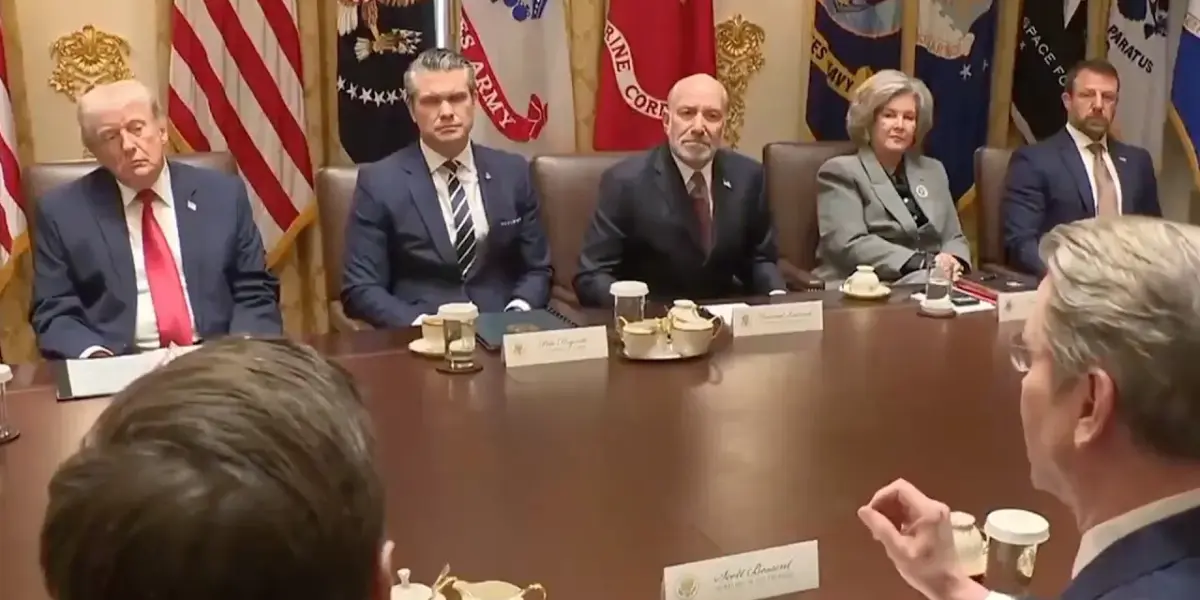
Iran’s Negotiation Stance Weakened by Military Pressure
Recent events suggest Iran is in a tough spot during negotiations with Washington. Military actions have significantly reduced Iran’s ability to project power and weakened its leadership. This puts Iran in a challenging position as talks continue.
President Trump has indicated he is not the one eager for a deal, stating, “They are begging to make a deal, not me.” This highlights a perceived imbalance in the current negotiations.
Military Strikes Undermine Iran’s Capabilities
Retired US Air Force Lieutenant General David Depula explained the impact of combined US and Israeli forces. Over 10,000 US troops and a similar number of Israeli forces have reportedly been involved. This has led to a “catastrophic decrease in Iran’s power projection capability.” General Depula added that this pressure “undermines Iran’s leadership capability,” putting them in a difficult situation.
Major Glenn Ignazio, a national security expert, agreed that Iran is in a “survival mechanism.” He noted that Iran has a history of slowing down negotiations. However, the current pressure may force them to make concessions.
The Strait of Hormuz: A Complex Negotiation Tool
The movement of oil tankers through the Strait of Hormuz has become a key point. President Trump announced the passage of eight oil tankers, calling it a “gift from Iran.” Treasury Secretary Scott Besson stated that the oil market is well-supplied and actions have been taken to ensure stranded oil is available globally. He expressed confidence that shipping traffic would increase.
However, Major Ignazio pointed out the complexity of these movements. He noted that roughly 2,000 ships, including oil tankers, use the strait daily. The decision to move ships is heavily influenced by insurance companies like Lloyd’s of London. “Until those things are absolutely proven solidly, the insurance companies aren’t going to be very favoring to push the ships through,” he said. This means the business side must also agree for the passage to be truly secure.
General Depula believes the passage of these ships, despite leadership changes, shows that the US is dealing with the right people. He stated that wiping out senior leadership creates confusion but continues to pressure the regime. “The fact of the matter is that this continued pressure is very valuable in the context of getting to the ultimate objectives of the US and Israeli actions,” he explained.
Historical Context: The Strait of Hormuz
The Strait of Hormuz is a vital waterway, connecting the Persian Gulf to the open ocean. Roughly 20-30% of the world’s oil shipments pass through this narrow channel. Its strategic importance has made it a frequent point of tension and a critical factor in regional security discussions.
NATO’s Role and Shifting Alliances
President Trump expressed disappointment in NATO for not playing a larger role in the Strait of Hormuz operations. He saw it as a test of allied burden-sharing. However, many European leaders felt it was not their war to join directly.
Major Ignazio commented on the impact of such words on alliances. He recalled times when NATO allies did not step up in major conflicts like Iraq and Afghanistan. He clarified that NATO’s primary role is defense within Europe. While individual European countries could contribute, he suggested that NATO as an organization is not the best fit for operations in the Middle East.
General Depula added that while allies can contribute, their military capabilities have decreased over the last two decades. This reduction was partly due to prioritizing social welfare programs. However, he noted that Russia’s aggression in Ukraine has “opened their eyes.” NATO nations are now increasing defense spending for their own security.
He concluded that while allies could have contributed and will be able to do more in the future, the Russia-Ukraine conflict has spurred NATO nations to increase their defense investments. This suggests a move away from relying solely on American support.
Why This Matters
The situation highlights the complex interplay of military pressure, diplomatic negotiation, and international alliances. Iran’s weakened position suggests that military actions can significantly influence negotiation outcomes. The US approach, focusing on pressuring Iran’s leadership, appears to be yielding results in terms of forcing them to the table. However, the success of these negotiations will depend on Iran’s willingness to make genuine concessions and the ability of both sides to reach a solid agreement.
Furthermore, the discussions around NATO’s involvement reveal the evolving nature of international security. While alliances are crucial, the willingness and capacity of member nations to engage in specific conflicts vary. The events surrounding the Strait of Hormuz underscore the need for clear communication and shared strategic goals among allies. The increased defense spending by European nations, prompted by new geopolitical threats, could reshape the balance of power and the future of collective security.
Future Outlook
The ongoing negotiations with Iran will likely continue to be influenced by the pressure applied through military and economic means. The success of these talks will determine Iran’s future role in the region and its relationship with the international community. For NATO and its allies, the recent events serve as a reminder of the need to adapt to changing global threats and to ensure adequate defense capabilities are maintained and funded. The focus on burden-sharing and collective security will likely intensify as nations reassess their defense strategies in light of current geopolitical challenges.
Source: Iran's Backs Against the Wall in Negotiations (YouTube)

Related Articles

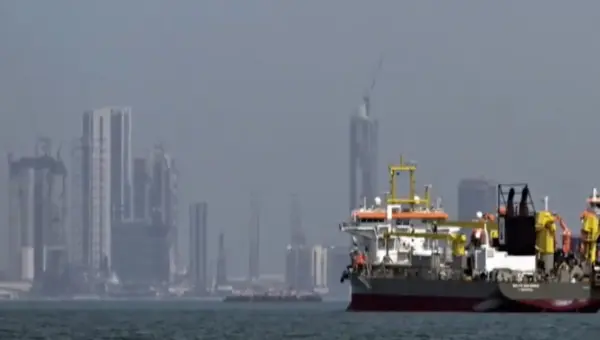
Iran Blocks China Ships, Exposing Beijing’s Weak Grip
Iran's recent decision to block Chinese ships at the Strait of Hormuz is exposing the limits of Beijing's influence in the Middle East. This action is causing delays and cancellations for Chinese manufacturers, turning a perceived geopolitical win into an economic strain.
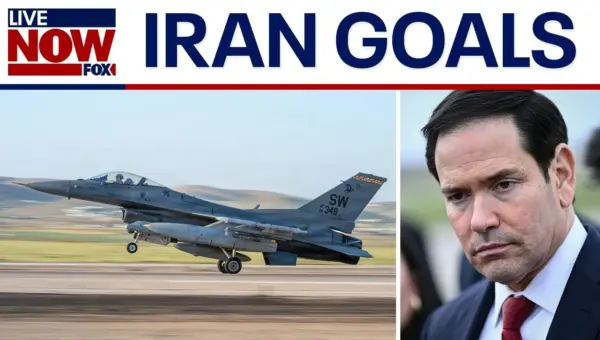
Rubio: US Can Achieve Iran War Goals Without Troops
Senator Marco Rubio outlined a strategy to counter Iran without deploying U.S. ground troops, focusing on weakening the regime and enhancing maritime security. He also criticized Cuba's economic system and expressed concerns about West Bank violence.


Israel Escalates Iran Strikes, Warns of Wider War
Israel has launched significant strikes inside Iran following continued missile fire, warning of further escalation. The conflict risks wider regional instability and economic disruption, especially concerning the Strait of Hormuz.