Iran’s War Risks Chaos: Gulf States Urge Clear Vision
Gulf nations are facing escalating attacks from Iran, leading to significant economic strain and a call for a clear resolution. Expert Ghassan Ibrahim warns that while the UAE and its allies are resilient, the global economy faces severe repercussions if the conflict persists without a defined strategy.

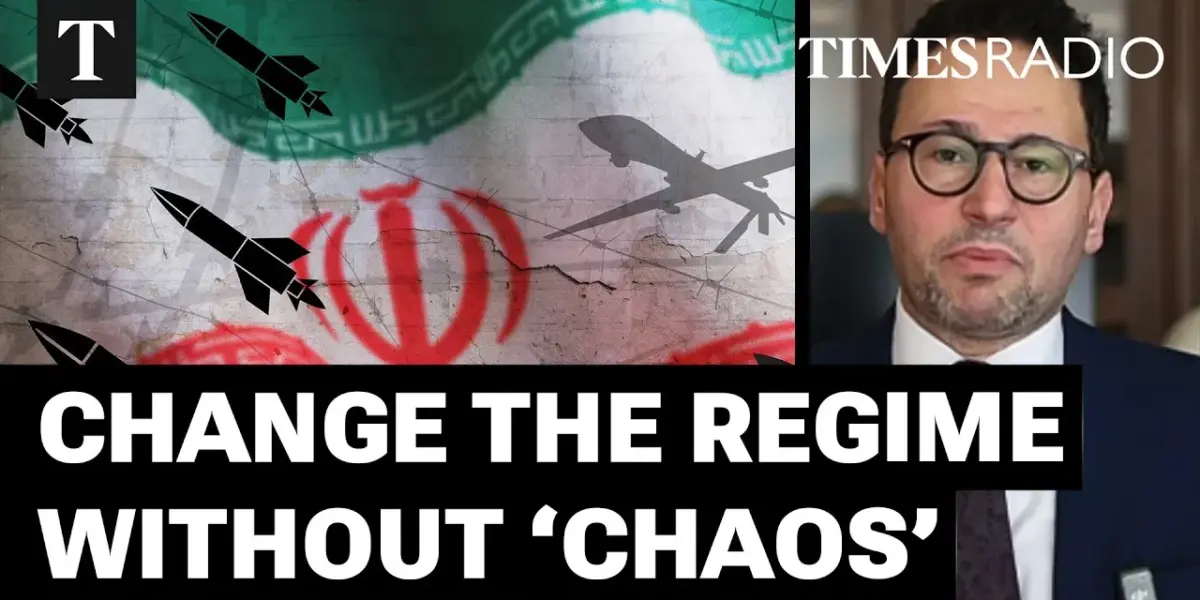
Gulf Nations Face Escalating Conflict Amidst Iranian Attacks
The Middle East is grappling with the escalating consequences of Iranian aggression, as a series of drone and missile attacks have targeted key Gulf states, including the United Arab Emirates, Kuwait, Qatar, and Bahrain. These assaults, which have reportedly resulted in at least 26 deaths and over 100 injuries, have sent shockwaves through the region, prompting panicked tourists to flee popular destinations like Dubai. The UAE alone is said to have spent over $2 billion attempting to intercept the steady barrage of Iranian drones.
The current conflict raises critical questions about the stability of the region and the global energy sector, upon which much of the world relies. Ghassan Ibrahim, founder and CEO of the Global Arab Network, shared insights into the complex dynamics at play, emphasizing that while Gulf states possess the resilience to manage the immediate crisis, their ultimate desire is for a swift and decisive end to the hostilities that ensures lasting safety and stability.
GCC’s Desire for Peace Over Prolonged Conflict
Contrary to any perception of actively seeking war, the Gulf Cooperation Council (GCC) countries are fundamentally built for prosperity and development, not prolonged military engagement. “No country in the Middle East would like to see a war,” Ibrahim stated, highlighting that the impetus for conflict lies with Iran’s persistent refusal to engage in meaningful negotiations.
Despite the challenges, the UAE and other GCC nations have demonstrated remarkable strength and leadership in managing the ongoing crisis. “They managed to handle this crisis. Yes, in the beginning it was a bit of a surprise, but looking at these countries as I said, they are not built for war,” Ibrahim observed. He pointed to the fact that despite significant daily attacks, including multiple missile strikes and dozens of drones targeting the UAE in a single day, there have been no fatalities or injuries reported on that particular day, underscoring their enhanced defensive capabilities.
However, the resilience of the GCC comes at a steep cost. The economic repercussions of these attacks extend far beyond the immediate region. “Every single country in the world is relying on their oil and gas, and the impact, trust me, that GCC countries once the war stopped, they will rebuild it from scratch wherever there is damage. But the rest of the world who rely on their oil and gas, which now we see the numbers of the bar, it’s staggering figures. It is going to be difficult for the rest of the world to handle the economic crisis afterward,” Ibrahim cautioned.
The Elusive Definition of ‘Victory’
The concept of ‘victory’ in this conflict is multifaceted and subject to differing interpretations. For Donald Trump, a potential victory might entail curbing Iran’s nuclear ambitions and degrading its military capabilities, without necessarily pushing for immediate regime change. However, Ibrahim suggests that for the majority of Arabs, true victory would mean an end to Iran’s destabilizing actions and a guarantee that such aggression will not be repeated.
The current situation, where Iran continues its defiant stance and engages in attacks on maritime traffic and regional allies, raises the question of whether the current approach is sufficient. “If there is no clear vision that once the war is ended, there is no again war, we won’t face again such a crisis, it means the war, this war, it failed,” Ibrahim articulated, emphasizing the need for a comprehensive plan beyond simply halting hostilities.
Regime Change: A Path to Stability or Further Chaos?
The question of regime change within Iran looms large as a potential solution to ending the cycle of aggression. Ibrahim acknowledged that while such a change could dramatically alter the geopolitical landscape and align Iran more closely with its neighbors, the method of achieving it is critical. He posited that a more desirable outcome than total chaos would be an internal reform of the existing regime, where a new, more realistic leadership emerges.
“I think the American looking at having the same regime but changed within inside, if this succeeds, would be much better than end up with total chaos without any regime to run the country,” Ibrahim explained. He drew a parallel to the prolonged instability experienced in Iraq following its invasion, suggesting that the transition to a new governance structure in Iran could be similarly arduous and destabilizing if not managed carefully.
The internal political dynamics within Iran remain a subject of speculation, with reports suggesting potential weakness or loss of control by the current Supreme Leader, with the Revolutionary Guard potentially wielding significant power. “It’s too early to judge. There is a lot of report that he is injured. He is out of control now. He’s not able to manage this war. The Revolutionary Guard are in charge,” Ibrahim noted, indicating that clarity on Iran’s internal command structure is crucial for external actors like the U.S. and Israel.
Navigating Regional Alliances and Divergences
The conflict also highlights subtle divergences in regional alliances. While a united front against Iranian aggression is ideal, Ibrahim suggested that the core players within the GCC—the UAE, Saudi Arabia, and Kuwait—share a common objective: peace and stability. These nations understand that the current conflict stems from the failures of the Iranian regime, which is perceived as seeking to suppress its own population’s desire for prosperity and freedom by projecting an image of defiance on the international stage.
Qatar’s media has, at times, been observed to present a more favorable narrative of Iran, even amidst the attacks on its own territory, a point of concern for some. However, Ibrahim stressed that a complete, unified front is not necessarily required. The commitment of key GCC members to economic growth and peace remains a significant counterforce to Iran’s destabilizing agenda.
Looking Ahead: The Need for a Clear Vision
As the situation evolves, the focus remains on the need for a clear, actionable vision to end the current hostilities and prevent future escalations. The Gulf states, while capable of defending themselves, are primarily invested in economic stability and peace. The international community, heavily reliant on the region’s energy resources, faces significant economic risks if the conflict is not resolved effectively. The path forward hinges on whether diplomatic solutions can be found, or if the conflict will necessitate a more profound internal shift within Iran to ensure lasting regional security.
Source: Overthrowing The Iranian Regime Risks ‘Chaos’ | Ghassan Ibrahim (YouTube)

Related Articles

G7 Allies Clash Over Iran War Strategy, Urge Focus on Russia
G7 foreign ministers met in Paris, revealing deep divisions over the U.S. war with Iran. European allies urged the U.S. to pressure Russia, linking its actions to the conflict and fearing support for Ukraine will wane.

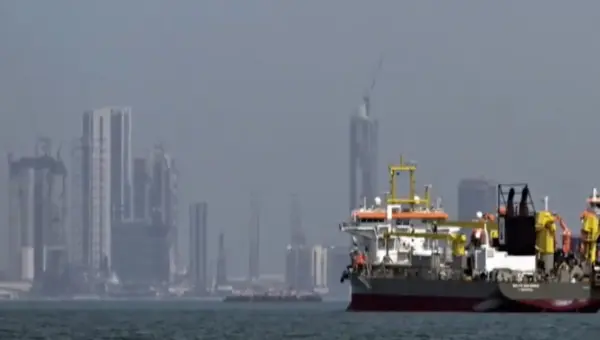
Iran Blocks China Ships, Exposing Beijing’s Weak Grip
Iran's recent decision to block Chinese ships at the Strait of Hormuz is exposing the limits of Beijing's influence in the Middle East. This action is causing delays and cancellations for Chinese manufacturers, turning a perceived geopolitical win into an economic strain.
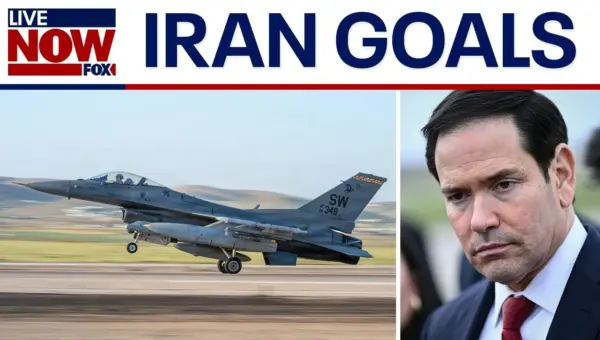
Rubio: US Can Achieve Iran War Goals Without Troops
Senator Marco Rubio outlined a strategy to counter Iran without deploying U.S. ground troops, focusing on weakening the regime and enhancing maritime security. He also criticized Cuba's economic system and expressed concerns about West Bank violence.