Iran’s War Escalates: Strikes Hit Israel, US Troops Surge
Recent events show an escalation in the conflict involving Iran, with direct hits on Israeli infrastructure and the destruction of a plane in Iraq. The U.S. is increasing its military presence, deploying special forces and suggesting possible ground operations. Former President Trump has indicated a belief in regime change within Iran and warned of severe retaliation if demands are not met.

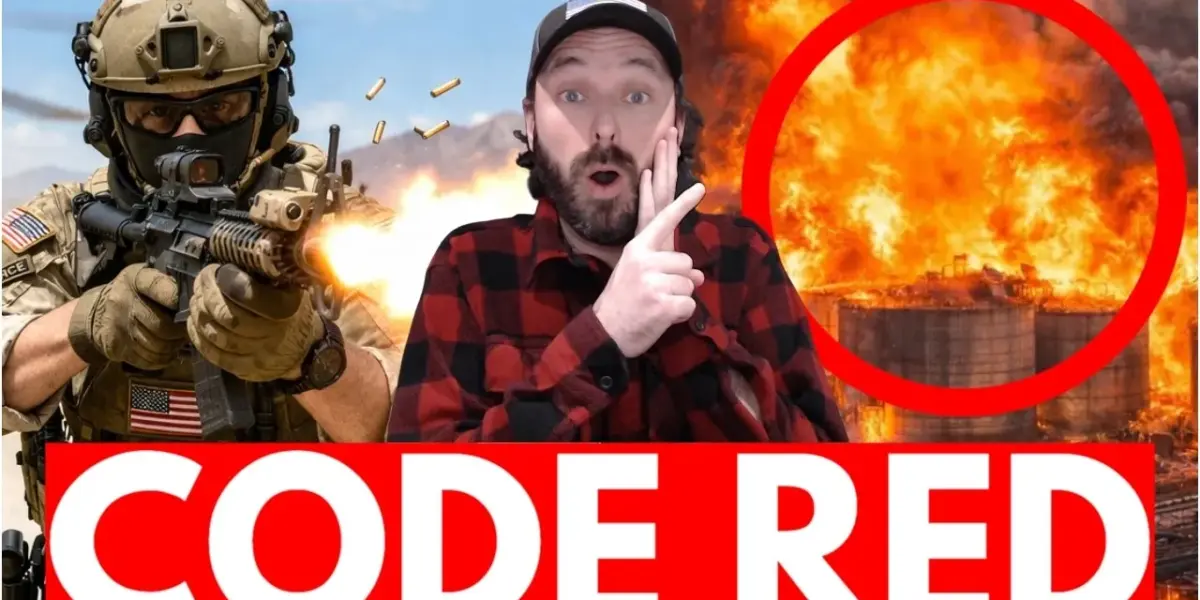
Iran’s War Escalates: Strikes Hit Israel, US Troops Surge
The conflict involving Iran has intensified, with recent events showing a significant escalation. Targets in Israel have been hit directly, and a plane was destroyed. At the same time, the United States is increasing its military presence in the region, sending more ground troops. This build-up suggests the possibility of ground operations within Iran.
Direct Hits on Israeli Infrastructure
In the city of Haifa, a key area for energy production and oil infrastructure, a direct hit occurred. This attack, believed to be from an Iranian missile, caused smoke to rise from multiple locations. Footage shows dark smoke billowing from one of the damaged facilities. This is a notable development, as early in the conflict, Israeli air defenses were highly effective at intercepting almost all incoming threats. However, reports suggest Israel may be running low on interceptors. Now, it appears that something gets through with almost every attack, causing varying degrees of damage. Iran has also reportedly started using cluster munitions, which are much harder to intercept. These weapons break apart and scatter bomblets, making them difficult to defend against and causing widespread, indiscriminate damage. Videos show explosions consistent with cluster munition impacts, hitting what appears to be an oil terminal or silo.
Hezbollah and Houthi Involvement
The conflict is not limited to direct attacks from Iran. Hezbollah has also been firing a large number of rockets at Israel. These attacks involve rockets raining down on Israeli cities, met by Israeli interceptors in the sky. The conflict, which began on February 28th, has now been ongoing for over a month, and the Houthi movement has also joined the fighting. This wider involvement suggests a growing regional dimension to the war.
Attacks in Iraq and Beirut
A disturbing event occurred when Iranian-backed militias in Iraq bombed an airport. An Iraqi Air Force plane on the tarmac was hit and destroyed by the attack. Footage shows the burning aircraft, with significant damage to its rear section and wings. This indicates a broadening of the conflict’s reach and the involvement of allied groups.
Simultaneously, Israeli strikes have targeted Hezbollah in Beirut. Explosions have been seen, with large amounts of smoke and debris filling the background. These actions show Israel responding to attacks and targeting groups it considers threats.
US Strikes and Infrastructure Damage
The United States is also actively involved, carrying out strikes across Lebanon. Targets in Tyre have been heavily bombarded, with massive explosions heard and seen. US strikes have also hit a chemical plant in Iran, causing it to be engulfed in flames and destroyed. This action is described as removing a capability that Iran might use for harmful purposes.
Senior Leader Casualties
Amidst the ongoing strikes, there have been reports of significant casualties among Iranian leadership. Majad Zakria, a commander in Iran’s natural resources organization protection unit, has been killed. This follows reports of six senior leaders being killed on the previous day. The consistent targeting and elimination of senior figures suggest a deliberate strategy to weaken Iran’s command structure.
President Trump’s Statements and Strategy
Former President Donald Trump has made several public statements regarding the situation. He has stated that he believes regime change has already occurred in Iran, citing the elimination of senior leaders. Trump described the first regime as “decimated” and “destroyed,” with the second regime also largely gone. He suggested that the current group in power is more reasonable. Trump also asserted that Iran will not obtain nuclear weapons, warning that they will give up their nuclear program or face the destruction of their country.
Trump also posted on social media, indicating that the US is in serious discussions with a “new and more reasonable regime.” He outlined a stark warning: if a deal is not reached quickly or if the Strait of Hormuz is not opened for business, the US will retaliate by destroying Iran’s electric generating plants, oil wells, and other critical infrastructure. He framed this as retribution for past actions by Iran.
Trump praised the US military for destroying “long sought-after targets” in Iran. He also highlighted the arrival of several hundred US special forces, including Rangers and SEALs, in the Middle East. These forces are joining thousands of Marines and Army paratroopers. This deployment is intended to provide President Trump with more options for expanding the conflict, with plans for possible ground operations underway.
Potential Ground Operations and Strategic Targets
Military officials have discussed the possibility of ground operations. The arrival of Army Rangers, who are known for airfield seizure, points to a potential strategy. One key target mentioned is Qeshm Island (referred to as Car Island in the transcript), where a significant portion of Iran’s oil exports flow. Taking control of this island could allow the US to control Iran’s oil industry. The presence of Rangers and SEALs suggests a focus on high-risk, strategic objectives.
Outlook and Implications
The current situation shows a multi-faceted conflict. Iran and its allies are striking targets in Israel and Iraq. Israel is responding with strikes in Lebanon and possibly within Iran. The United States is conducting its own strikes and deploying significant military forces, including special operations units. The rhetoric from former President Trump indicates a willingness to escalate further, potentially targeting critical infrastructure if diplomatic or military objectives are not met.
The use of cluster munitions by Iran is a concerning development, highlighting a willingness to employ devastating weapons. The potential for ground operations in Iran, particularly targeting key economic assets like oil infrastructure, could have far-reaching consequences for the global energy market and regional stability.
The conflict is evolving rapidly, with new developments occurring daily. The involvement of multiple actors and the potential for wider escalation make this a critical period for regional security.
Why This Matters
This situation is important because it involves major global powers and has the potential to disrupt international stability. The conflict directly impacts energy supplies, as seen with the targeting of oil infrastructure. It also raises serious concerns about humanitarian consequences, especially with the use of indiscriminate weapons. The increased military presence and the rhetoric around potential ground operations signal a dangerous escalation that could have long-lasting effects on the Middle East and beyond. Understanding these developments is crucial for grasping the current geopolitical landscape and its potential future trajectory.
Source: Iran SMOKES Major Israel Target – U.S. Ground Troops SURGE In (YouTube)

Related Articles

Massive Iran Blast Seen As US, Israel Intensify Strikes
President Trump shared a video of a massive explosion in Iran, believed to be a U.S. strike near Isfahan, amid escalating tensions. The U.S. and Israel continue to target Iran with strikes on weapon production sites. Experts view the situation as a "battle of wills" involving finite resources and regional diplomacy.

US Threatens Iran’s Infrastructure, Faces Diplomatic Backlash
U.S. President Trump has escalated rhetoric against Iran, threatening to destroy civilian infrastructure if a deal isn't reached, while Iran denies direct talks and calls proposals "unrealistic." Meanwhile, the Artemis II mission prepares for a historic lunar orbit, marking a new era of space exploration.


Hungary-Russia Collusion Alleged in Bid to Lift Sanctions
A new report alleges that Hungary's foreign minister colluded with Russia's Sergey Lavrov to lift EU sanctions on Russian oligarchs and entities. Intercepted calls, authenticated by experts, suggest Budapest acted as a Kremlin agent. The revelations surface as Hungary heads into a critical election, raising concerns about Russian interference and the country's future within the EU.