Iran’s War Effort Crumbles Amidst Internal Strife and External Pressure
Iran's military is weakening due to internal divisions and external attacks, raising questions about who leads the country. Its ability to control vital shipping lanes is now doubted. This situation also highlights growing U.S. frustration with NATO allies over defense contributions.

Iran’s War Effort Crumbles Amidst Internal Strife and External Pressure
Recent events suggest Iran’s military capabilities are severely weakened, facing both internal divisions and external strikes. This has led to a critical question: who is truly in charge when negotiations occur? An analysis by David Wormser, an expert on Middle East affairs, points to a fragmented leadership structure within Iran. This internal division makes it difficult to understand who holds real power and whether any agreements made can be reliably upheld.
Internal Divisions Hamper Command and Control
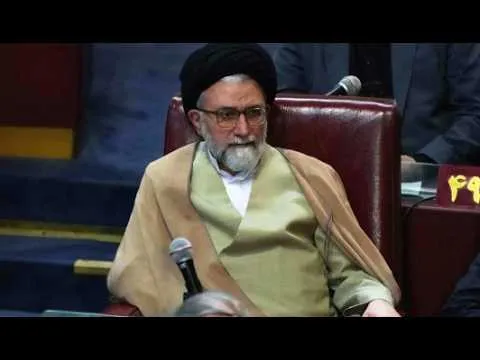
When Iran defiantly rejects proposals, like the White House’s 15-point plan, it raises questions about who is actually at the negotiating table. Wormser suggests that key figures like Khalibuff, the speaker of parliament and a former influential member of the IRGC elite, are likely involved. Other figures include Vahidi, the former defense minister, and Sai Jalilei, a former national security adviser. These individuals are described as part of a group of “IRGC types.”
However, a significant problem arises from a perceived division among these leaders. Some may be willing to negotiate or de-escalate, but they reportedly fear reprisal from other factions that hold more power. This internal conflict means that even if a leader like Khalibuff appears to be negotiating, it’s unclear if he truly desires a deal. The lack of clear command and control at the top makes any leader who tries to move forward vulnerable, potentially facing deadly consequences from within.
This situation creates a “damned if they do, damned if they don’t” scenario for Iranian leaders. If they appear to appease Western powers, they risk losing their own authority and power base at home. This makes it difficult for them to commit to any significant concessions, even if they wanted to.
Military Capabilities Severely Degraded
Beyond internal politics, Iran’s ability to project power against the United States, Israel, and its neighbors appears to be significantly diminished. The ability to control vital shipping lanes like the Strait of Hormuz is now questionable. While Iran’s long coastline offers some advantages for hiding weapons, the widening of the Persian Gulf outside the strait makes targeting ships more difficult.
However, recent actions by Israel and the U.S. have significantly impacted Iran’s naval strength. Israel reportedly killed the head of Iran’s IRGC Navy, a move that directly targets their command and control. The United States also conducted significant strikes on Iran’s coastline, further weakening its naval forces. These actions suggest that Iran’s navy is losing its capacity to operate effectively.
The idea of Iran fully seizing the Strait of Hormuz is now considered unlikely. Military planners have been preparing for this scenario for decades, and the U.S. feels confident in its ability to reopen the straits quickly if necessary. Furthermore, Iran’s missile capabilities are also reportedly declining. The frequency of missile launches towards places like the UAE and Israel has decreased, with longer gaps between attacks. This indicates a serious degradation of their military hardware and operational readiness.
Impact of Targeted Strikes on Leadership
The killing of top military leaders, like the naval commander responsible for the Strait of Hormuz, has a significant impact. While Iran’s structure is layered and not a simple one-person dictatorship, these targeted killings are not without consequence. The loss of top talent weakens the government’s overall capabilities.
More importantly, these strikes reveal a deep intelligence penetration by groups like the Israelis. Knowing who these leaders are and where they are allows for precise strikes. This knowledge not only eliminates key personnel but also instills fear and caution in those who remain. A new commander might be appointed, but they would operate under immense pressure, constantly worried about their own safety and unsure who might have betrayed their predecessor.
This fear and uncertainty directly impair command and control. Leaders become hesitant to act, spending more time on self-preservation rather than strategic operations. The inability to trust subordinates further cripples effective decision-making, leading to a breakdown in the military’s operational effectiveness.
Frustration with NATO and European Allies
The situation in Iran also highlights broader geopolitical frustrations, particularly concerning alliances like NATO. Former President Trump has voiced strong criticism, stating that NATO nations have done nothing to help deal with Iran, despite the U.S. needing nothing from them. This sentiment reflects a long-standing conservative frustration in the U.S. with European allies perceived as not contributing their fair share to defense or burden-sharing.
This frustration is fueled by a history of crises in Europe that the U.S. has often been called upon to resolve. Additionally, perceived hostility from some European elites, particularly from countries like France and Britain, towards American interests and values has deepened this divide. Many European leaders are seen as holding socialist views that do not align with the American vision.
In the context of recent events, where European nations have been seen as less supportive than even Arab partners who have allowed the use of their air bases, this frustration has intensified. While NATO is unlikely to be dismantled, its structure may shift, possibly moving eastward towards countries like Germany and Eastern European nations that are seen as more cooperative.
Why This Matters
The analysis of Iran’s internal struggles and weakened military suggests a nation facing significant instability. The fragmented leadership means that any diplomatic engagement is complex, as it’s unclear who truly holds the reins of power. The degradation of Iran’s military capabilities, particularly its navy and missile forces, has implications for regional security and the freedom of navigation in critical waterways like the Strait of Hormuz.
Furthermore, the commentary on NATO and European allies reflects a growing sentiment in the U.S. regarding international cooperation and burden-sharing. This could lead to a re-evaluation of alliances and a potential shift in global security priorities, with a greater focus on Eastern European stability and potentially less emphasis on traditional Western European partnerships if perceived contributions remain low.
Implications and Future Outlook
The current state of Iran’s leadership and military suggests a period of heightened uncertainty. If the internal divisions persist and external pressures continue, the regime could face further unraveling. This could lead to unpredictable consequences, both domestically and regionally.
For international diplomacy, engaging with Iran will require a nuanced understanding of its fractured power structure. The effectiveness of any agreements will depend on the ability to secure buy-in from multiple, potentially competing, factions within the Iranian government.
The geopolitical commentary also points to a potential restructuring of international alliances. The U.S. may seek to strengthen ties with more reliable partners, potentially shifting its focus and resources accordingly. This could reshape the global security architecture in the coming years.
Historical Context
The current situation in Iran can be viewed against the backdrop of its complex history since the 1979 revolution. The establishment of the Islamic Revolutionary Guard Corps (IRGC) created a parallel power structure to the traditional military, often with competing interests and influence. This dual system has historically contributed to internal power struggles and ideological divisions within the government.
The U.S. relationship with Iran has been fraught with tension for decades, marked by events such as the Iran hostage crisis and ongoing disputes over its nuclear program and regional activities. The U.S. military’s long-standing focus on securing the Strait of Hormuz dates back to the Iran-Iraq War, when protecting oil tanker routes was a primary concern.
Similarly, the frustration with NATO allies regarding burden-sharing is not new. For decades, U.S. policymakers have expressed concerns about European defense spending and reliance on American military power. Recent geopolitical events, however, seem to have amplified these long-standing grievances.
Source: Who Is Actually on the Other Side of the Table During Negotiations With Iran? (YouTube)

Related Articles

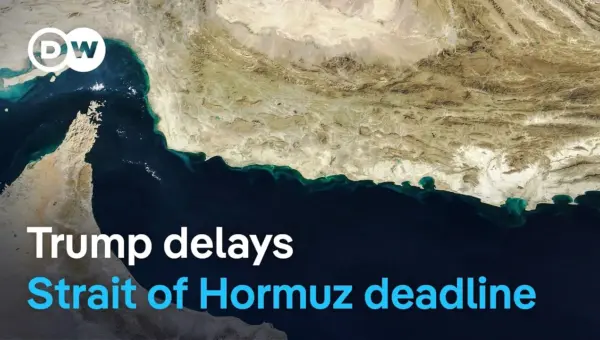
Trump Delays Iran Strike Deadline Amidst Shifting Diplomacy
President Donald Trump has extended his deadline for potential strikes on Iranian energy plants to April 6th, amid reports of U.S.-Iran diplomatic talks mediated by Pakistan. This move comes as Israel continues its strikes on Iran and the U.S. deploys additional military assets to the region. Analysts point to mixed signals, economic pressures, and strategic miscalculations as key factors shaping the evolving situation.

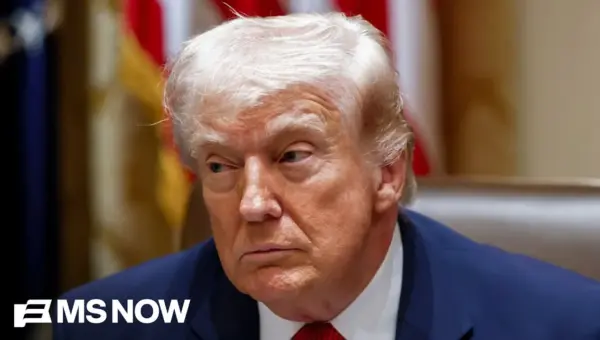
Iran War Claims Ring Hollow as US Troops Injured in New Attack
Days after Donald Trump claimed "we've won" the war with Iran, a new attack injured approximately a dozen U.S. troops and damaged aircraft. This incident contradicts Trump's assertions of victory and raises serious questions about the strategy and reality of the ongoing conflict.


Strait of Hormuz Blockade: Insurance Costs Soar, Ships Stuck
The Strait of Hormuz remains largely blocked despite Iran's claims of openness, with soaring insurance costs acting as a major deterrent for ships. Skyrocketing premiums, from less than 1% to potentially 7.5% of a vessel's value, make transit financially unviable for many. This situation impacts global oil prices and the broader economy, highlighting the complex interplay of geopolitical tensions, insurance markets, and international trade.