Iran’s War Economy Thrives Despite Sanctions, IRGC Gains Power
Iran's economy is surprisingly thriving amidst its ongoing war, with the IRGC gaining significant power and oil revenues increasing. Sanctions intended to weaken the regime have backfired, and China's role in bypassing these restrictions is crucial. The war's impact on ordinary Iranians, however, remains a significant concern.

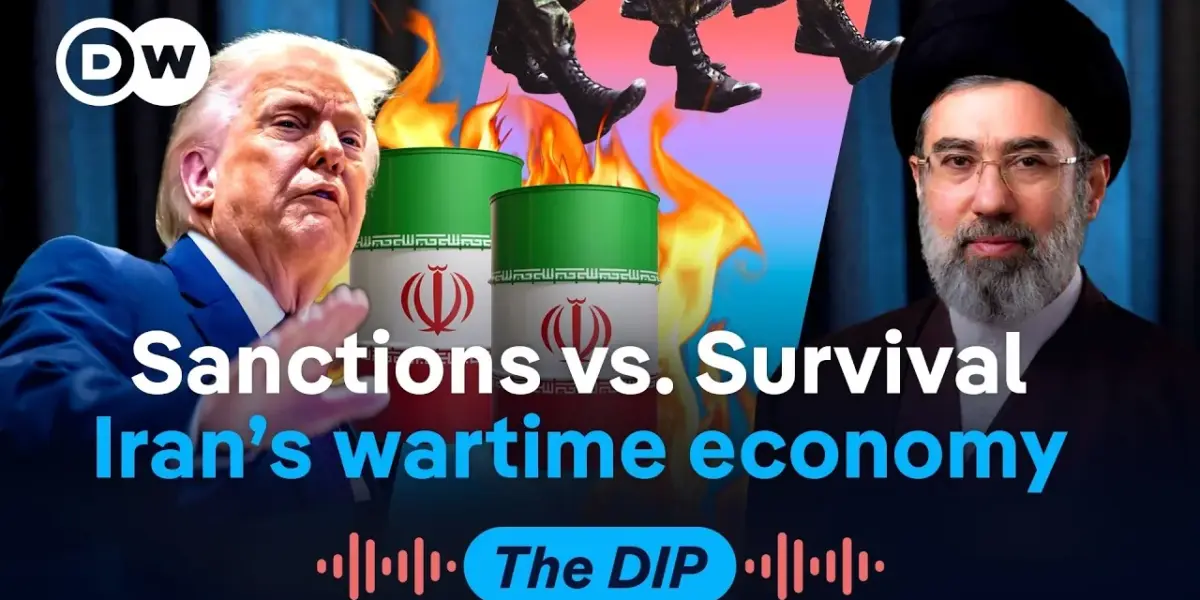
Iran’s War Economy Flourishes Amidst Conflict and Sanctions
The ongoing conflict, which began on February 28th, has significantly impacted the global economy, pushing oil prices above $100 a barrel and disrupting vital shipping lanes. However, the war’s effect on Iran’s economy presents a complex and ironic picture. Instead of weakening, Iran’s economy, particularly its oil sector, has seen a surprising boost, largely benefiting the Islamic Revolutionary Guard Corps (IRGC).
Sanctions Backfire, Empowering the IRGC
Professor Javad Zalei Isvahani of Virginia Tech explains that Iran’s economy was already struggling before the war, with a falling currency and high food inflation. Sanctions intended to cripple the regime have, in many ways, had the opposite effect. The IRGC, in particular, has become more adept at managing and profiting from Iran’s oil exports. This has been further complicated by recent U.S. decisions that, ironically, allow Iran to export more oil.
“The war was supposed to weaken the IRGC. It has actually strengthened it,” Isvahani stated. He noted that the IRGC became much better at selling Iran’s oil, a trend that appears to be continuing despite international sanctions.
The Role of Oil and China in Iran’s Economy
Iran’s economy is heavily reliant on oil revenue, and the surge in global oil prices has paradoxically benefited the nation. Control over the Strait of Hormuz, a critical shipping route, allows Iran to facilitate its own oil exports and ensure revenue streams. Before the recent developments, Iran was exporting just over a million barrels of oil per day, a figure that is suspected to be increasing.
The United States’ strategy of using oil sanctions to pressure Iran has been undermined by its own policy shifts. Isvahani highlighted the “height of irony” in the U.S. allowing Iran to export oil after using sanctions to set the stage for conflict. This has created a peculiar situation where Iran may be exporting more oil than before, with its access to foreign currency not significantly deteriorating.
China plays a crucial role as a pressure release valve for Iran, mitigating the impact of U.S. sanctions. Chinese willingness to import Iranian oil, often in exchange for yuan or in kind, bypasses the dollar-dominated financial system that the U.S. can control. This arrangement provides Iran with much-needed foreign currency and goods, while China benefits from stable energy access and a counterbalance to U.S. influence in the Persian Gulf.
Two Economies: The Public vs. The Military
The IRGC’s control over approximately half of Iran’s oil export revenues suggests a division within the nation’s economy. Isvahani described a scenario where one economy serves ordinary Iranians, while another, largely controlled by the IRGC, funds the military apparatus. This dual structure has been exacerbated by sanctions, which have pushed the IRGC into directly managing oil exports rather than relying on the private sector.
The IRGC’s increased importance stems not just from controlling oil supplies but also from its role as the primary entity capable of navigating the complexities of international trade under sanctions. This has solidified its power and economic influence within Iran.
Impact on Ordinary Iranians and Shifting Hopes
While the IRGC and the government may be benefiting, the situation for ordinary Iranians is dire. Internet blackouts make it difficult to assess the full extent of economic hardship. Rising prices and potential job losses due to the war conditions create significant challenges, particularly for the poor who may struggle to afford basic necessities.
Professor Isvahani shared insights from conversations with friends and family in Iran, noting a shift in public sentiment. Initially, some Iranians were hopeful that external military intervention could quickly topple the government, influenced by media narratives. However, witnessing the realities of war has led to ambivalence about its continuation. The sounds of conflict at night make peaceful sleep difficult for many, highlighting the pervasive impact of the war on daily life.
Looking Ahead
The complex interplay of war, sanctions, and international relations continues to shape Iran’s economy. The IRGC’s growing influence and China’s strategic partnership present significant factors to monitor. As the conflict grinds on, the ability of the Iranian government to manage domestic economic pressures and maintain its international oil trade will be critical. The long-term effects of these dynamics on both the Iranian population and regional stability remain uncertain.
Source: Inside Iran's war economy: Oil, sanctions & a hidden power structure | The Dip Podcast (YouTube)

Related Articles


Israel Strikes Iran’s Navy Chief, Escalating Regional Tensions
Israel has killed a top Iranian naval commander, vowing to hunt down more IRGC leaders. This strike, targeting the commander responsible for blocking the Strait of Hormuz, escalates regional tensions and sends a message to both Iran and the US. The move comes as Iran reportedly charges fees for ships in the Strait and Israel continues operations in Lebanon.
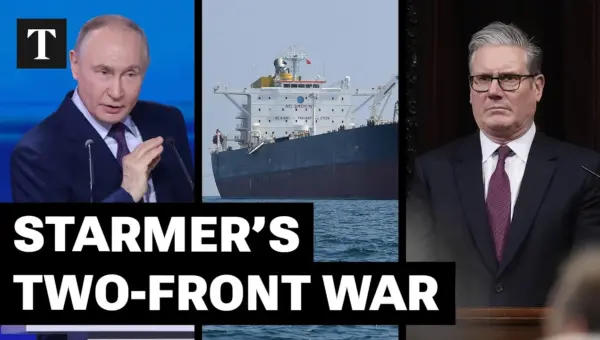
Britain Targets Russian Oil Fleet Amid NATO Discord
Britain is authorizing its forces to board and seize Russian oil tankers, known as the 'shadow fleet,' in UK waters to cut off war funding. This unilateral action highlights growing discord among NATO allies, with the US taking a different approach and concerns rising over military readiness.
Iran’s War Effort Crumbles Amidst Internal Strife and External Pressure
Iran's military is weakening due to internal divisions and external attacks, raising questions about who leads the country. Its ability to control vital shipping lanes is now doubted. This situation also highlights growing U.S. frustration with NATO allies over defense contributions.