Iran’s Victory: How a Ceasefire Deal Undermines Trump
Iran celebrates a controversial ceasefire deal, claiming victory and mocking Donald Trump. Critics argue the agreement is a concession, granting Iran control over the Strait of Hormuz and potentially enabling nuclear ambitions, while Trump seeks help from allies he previously criticized.

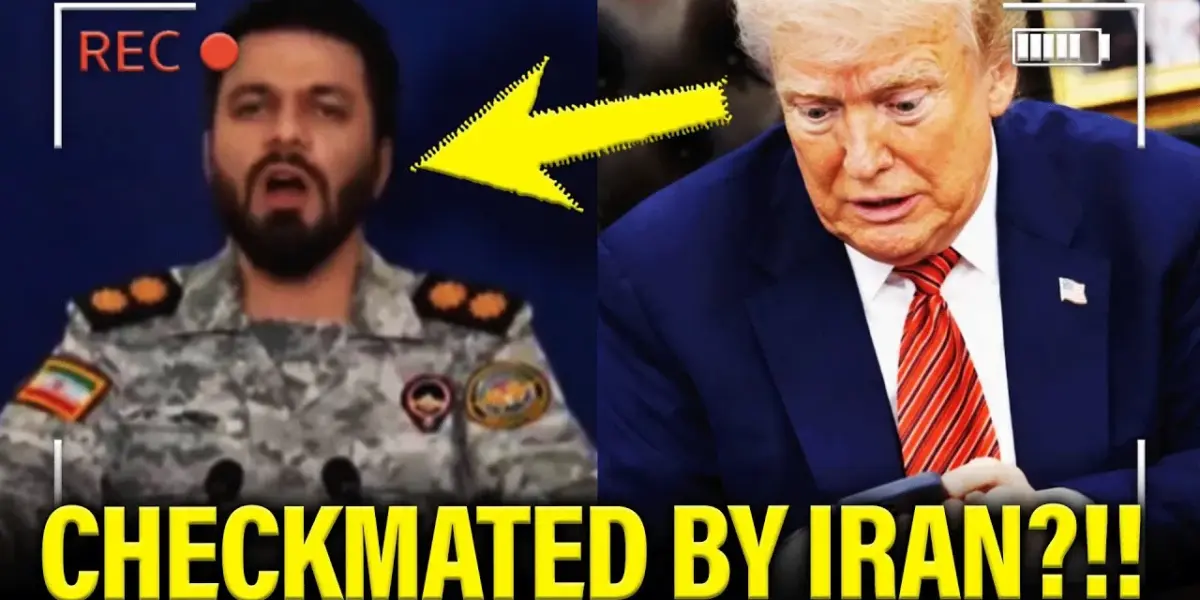
Iran Claims Victory as Ceasefire Deal Sparks Controversy
A recent ceasefire agreement, allegedly brokered by Donald Trump, is facing intense scrutiny. While proponents claim it brings peace, critics argue it represents a significant concession to Iran, potentially reshaping global power dynamics. This analysis explores the claims and counter-claims surrounding the deal, looking at its implications for international relations and the political future of those involved.
Iran’s Bold Declarations and Mockery
Following the ceasefire, Iran has not been shy about its perceived triumph. State-backed media and online platforms are reportedly circulating memes and videos celebrating their victory over Trump and his administration. These digital messages often depict Trump in a demeaning light, sometimes showing him with a white flag of surrender or proclaiming Iran as the new world superpower. Some of these creations even use AI and Lego-style animation to mock Trump, linking him to controversial figures and accusing him of covering up illicit activities. The narrative being pushed is that Trump’s actions served Israeli interests over those of the United States.
Trump’s Shifting Stance and Plea for Help
In stark contrast to Iran’s celebratory tone, Donald Trump appears to be in damage control mode. After initially boasting about the ceasefire, he has been actively posting on social media and, according to reports, has begun reaching out to European allies and NATO for assistance. This appeal comes after he previously criticized NATO, questioning its relevance and effectiveness. The urgency of his request is highlighted by his demand for concrete plans from European nations within days regarding the Strait of Hormuz.
The Strait of Hormuz: A Point of Contention
The Strait of Hormuz, a critical waterway for global oil transport, is at the heart of the controversy. Trump’s initial claims suggested the Strait was open and safe for tankers under the ceasefire agreement. However, reports from outlets like The New York Times paint a different picture. Since the agreement, very few oil or gas tankers have passed through. Only a small number of cargo ships, mostly under Iranian flags, have made the crossing, and none were carrying oil. Shipping companies remain hesitant, avoiding the route due to ongoing risks.
Adding to the complexity, Iran has outlined its plan to control passage through the Strait. This includes charging tolls, reportedly in cryptocurrency, and requiring vessels to seek permission. Ships may also face inspections and potential threats from Iranian military assets positioned nearby. The assertion is that Iran now effectively controls this vital strait, a condition allegedly accepted as part of the ceasefire deal Trump endorsed.
Trump’s Social Media Barrage
Late at night, Trump reportedly took to social media to address the situation. His posts emphasized the strength of the US military and warned of severe retaliation if the agreement was not fully honored. He also reiterated claims that the Strait of Hormuz would remain open and safe, and that Iran would not develop nuclear weapons. The tone of these messages, described by some as aggressive and boastful, has drawn criticism, with some labeling his rhetoric as that of a war criminal.
Begging for Help?
The shift from Trump’s earlier criticisms of NATO to his current pleas for assistance has been noted. Critics question why he is now seeking help from the very organizations he previously dismissed. The situation is being compared to past instances where, according to critics, Trump has created crises and then sought external support, potentially prolonging and complicating resolutions.
Propaganda Wars: Media Narratives Collide
The differing interpretations of the ceasefire are amplified by media outlets. Some news channels are presenting a narrative that supports Trump, using acronyms like “NACHO” (Never Avoids Confronting Hard Obstacles) to portray him as a strong leader. These outlets suggest that Trump has identified Iran’s weaknesses and successfully pressured them into a deal. They highlight the supposed military setbacks Iran has suffered and claim the US achieved its objectives with minimal losses.
Conversely, other commentators and media figures are highly critical. They argue that the ceasefire is a capitulation, not a victory. They point to Iran’s continued control over the Strait of Hormuz, their ability to charge tolls, and their potential to develop nuclear weapons as evidence of a failed policy. The idea of a joint venture or profit-sharing in the Strait is dismissed as a misrepresentation of Iran’s dominance.
Accusations and Counter-Accusations
Critics of the deal, including figures like Megan Kelly, express frustration with the situation and Trump’s behavior. They question his decision-making process, suggesting he may have been misled or influenced by advisors like Benjamin Netanyahu. The narrative suggests that Trump, despite being briefed by intelligence agencies, failed to see through alleged deceptions, leading to a deal that benefits Iran. The claim is that Iran is now more economically powerful, controls key waterways, and is positioned to pursue nuclear ambitions, while the US has made significant concessions.
The ongoing exchange of accusations and the starkly different interpretations of the ceasefire highlight a deep division in how the events are perceived. The use of mocking videos by Iran and the strong defenses put forth by Trump’s allies underscore the intense information warfare accompanying the geopolitical developments.
Why This Matters
This situation is critical because it involves the stability of a vital global energy route and raises questions about the effectiveness of international diplomacy and military strategy. The alleged concessions made in the ceasefire could embolden Iran, potentially altering the balance of power in the Middle East and beyond. For Donald Trump, the outcome of this deal could significantly impact his political standing, particularly his claims of being a strong negotiator who prioritizes American interests.
Implications and Future Outlook
The future outlook remains uncertain. If Iran indeed gains greater control over the Strait of Hormuz and pursues its alleged nuclear ambitions, it could lead to increased regional tensions and a renewed arms race. The reliance on cryptocurrency for tolls could also signal new methods of circumventing international financial sanctions. The effectiveness of future diplomatic efforts will be tested by the perceived success or failure of this agreement. The willingness of European allies to engage with Trump’s requests, especially after past criticisms, will also be a key indicator of shifting alliances and priorities.
Historical Context
The Strait of Hormuz has long been a flashpoint in international relations, particularly concerning Iran’s strategic position and its disputes with the United States and its allies. Previous administrations have navigated complex negotiations and military posturing in the region. Trump’s “America First” approach, which often involved challenging existing alliances and international agreements, has created a unique dynamic in these long-standing geopolitical conflicts. The current situation echoes past tensions surrounding Iran’s nuclear program and its influence in the Middle East, but with a new set of alleged terms and players.
Source: Trump LOSES IT as Iran DESTROYS HIS LIFE!!! (YouTube)

Related Articles

Melania Trump Breaks Silence on Epstein Ties, Iran War Dominates
Melania Trump broke her silence on Jeffrey Epstein allegations, denying any close relationship and stating the lies must end. Meanwhile, a reported ceasefire in the Iran conflict faces challenges amid disputes over terms and ongoing hostilities, raising concerns about diplomatic clarity and global economic stability.

Iran Ceasefire: US Pushes for Deal Amidst Tensions
A fragile ceasefire between the U.S. and Iran is under severe strain, with ongoing missile firings and continued Iranian control over the Strait of Hormuz. Despite tensions, the White House remains optimistic as Vice President JD Vance leads a high-level delegation to Pakistan for peace talks. Key issues include Iran's nuclear enrichment program and the reopening of vital shipping lanes.

US Furious With UK Over Iran War Stance, Allies Face Fallout
The United States is reportedly furious with the UK's stance on the Iran conflict, threatening to reassess allied support. Prime Minister Keir Starmer has voiced frustration with global leaders like Trump and Putin impacting energy bills, while the UK's own defense plans face delays amid international fallout.