Iran’s Unexplained Blasts Signal Impending US Strike
Unexplained explosions across Iran coincide with a massive U.S. military deployment, raising alarms about an imminent, large-scale conflict. The surge in air power and naval assets suggests a significant escalation in U.S. readiness for war.


Iran’s Unexplained Blasts Signal Impending US Strike
As February 18th unfolds, a series of unexplained explosions have rocked Iran, igniting speculation and concern about a potential large-scale military conflict. Reports indicate multiple blasts across the country, coinciding with an unprecedented surge in United States air power positioned in the region. This convergence of events has led to claims that President Trump is preparing for a prolonged combat operation against the Islamic Republic, with some sources suggesting a decision for war could be imminent.
A Pattern of Unexplained Explosions
The recent explosions are not isolated incidents. For several weeks, Iran has been experiencing a string of unexplainable blasts targeting critical infrastructure, military sites, and even residential buildings believed to house leadership. The Iranian government has attributed these events to gas leaks, a claim met with skepticism given the nature and locations of the incidents.
On February 18th, a significant explosion occurred in a mountainous area near Shiraz in southern Iran. This marks what local sources describe as the 13th unexplained blast of the month. Shiraz is considered a strategically important region, with beliefs that it houses missile and nuclear facilities. The mountainous terrain is known to be used by Iran to conceal its missile programs and potential nuclear activities. The explosion in this area, described as massive with visible smoke plumes, has fueled speculation that underground military or nuclear facilities may have been targeted. Mountains, unlike urban areas, do not typically have gas lines, making the “gas leak” explanation particularly implausible for such an incident.
Adding to the growing unease, another powerful explosion was reported in the city of Shahar on the same day. Preliminary reports suggest this blast involved depots containing ammunition and fuel for military equipment, further indicating a focus on military assets. The visual evidence of these explosions, widely shared online, depicts significant detonations and smoke, painting a picture of escalating internal instability or external intervention.
The United States Military Buildup
The timing of these explosions is particularly noteworthy, as the United States appears to be amassing a formidable military presence in and around the Middle East. Reports from outlets like Axios suggest the Trump administration is actively preparing for a potential war with Iran, one that could be protracted and commence very soon. Israeli officials reportedly believe the conflict could erupt within days, while U.S. sources indicate a decision might take weeks, but patience is reportedly waning.
The scale of the U.S. military deployment is described as unprecedented in the modern era. In the past 24 hours alone, approximately 50 fighter jets have been moved into the region, with notable additions including at least a dozen F-22 Raptor stealth fighters. These aircraft, considered the most advanced combat jets globally, are being staged through bases in England, with aerial refueling tankers facilitating their deployment to the Middle East. The presence of these advanced assets signals a significant escalation in military readiness.
The logistical support for such a deployment is also immense. Twenty Air Force tankers have been observed airborne, heading to European and Middle Eastern bases. This adds to the dozens already present, with the current number of refueling tankers potentially exceeding those used in previous operations. The deployment of six E-3G Sentry early warning aircraft further underscores the comprehensive nature of the buildup. These aircraft provide advanced surveillance, signal intelligence, and electronic warfare capabilities, crucial for coordinating air operations and neutralizing enemy defenses.
Beyond air power, naval assets are also being positioned. The USS Abraham Lincoln aircraft carrier is already in the region, and the USS Gerald R. Ford is en route. Together, these carriers bring a combined force of approximately 180 aircraft, along with guided missile destroyers and submarines. This concentration of military power suggests a readiness for a full-scale conflict, aiming not just to engage but to decisively defeat Iranian forces and potentially destabilize the current regime.
Historical Context and Geopolitical Tensions
The current situation is rooted in decades of strained relations between the United States and Iran. Following the 1979 Iranian Revolution, diplomatic ties were severed, and a pattern of mutual suspicion and confrontation emerged. Key flashpoints have included Iran’s nuclear program, its support for regional militant groups, and its ballistic missile development.
The Trump administration has pursued a policy of “maximum pressure” against Iran, withdrawing from the Joint Comprehensive Plan of Action (JCPOA) nuclear deal in 2018 and reimposing stringent sanctions. This has led to increased tensions, including the downing of a U.S. drone and attacks on oil tankers in the Persian Gulf. The unexplained explosions within Iran could be interpreted as a continuation of this pressure campaign, either through direct action or by enabling internal dissent.
Why This Matters
The confluence of unexplained explosions within Iran and a massive U.S. military buildup points to a critical juncture in international relations. If these explosions are indeed the result of external attacks, they signal a significant escalation that could easily spiral into a wider conflict. The sheer scale of the U.S. military deployment suggests a preparedness for a war of attrition, with the stated aim of dismantling the current Iranian regime.
Implications, Trends, and Future Outlook
The implications of a U.S.-Iran war would be far-reaching, impacting regional stability, global energy markets, and international diplomacy. A conflict could destabilize the Middle East further, potentially drawing in other regional powers and exacerbating existing proxy conflicts. The economic consequences, particularly for oil prices, would likely be severe.
The trend towards military solutions over diplomatic engagement is concerning. While negotiations may not be progressing smoothly, the current military posture suggests a strong inclination towards forceful action. The speed at which the U.S. is deploying assets indicates a potential shift in strategic thinking, moving from deterrence and containment to direct confrontation.
The future outlook is uncertain but fraught with peril. The coming days and weeks will be crucial in determining whether de-escalation is possible or if the region is indeed on the brink of a major war. The Iranian regime, facing internal dissent and external pressure, may be forced into a corner, potentially leading to unpredictable responses.
In conclusion, the unexplained explosions across Iran, coupled with an unprecedented U.S. military mobilization, suggest that a significant military confrontation may be imminent. The situation is developing rapidly, and the world watches with bated breath as the possibility of war looms larger.
Source: Explosions ERUPT Across Iran – Trump Prepares For Major War (YouTube)

Related Articles


Trump Threatens “Unseen” Force on Iran After Leader’s Death
Following the assassination of Supreme Leader Ayatollah Ali Khamenei, U.S. President Donald Trump has vowed to unleash unprecedented force on Iran. While outlining ambitious goals including regime change, experts express skepticism about the effectiveness of airstrikes and the potential for popular uprising against a resilient Iranian government.
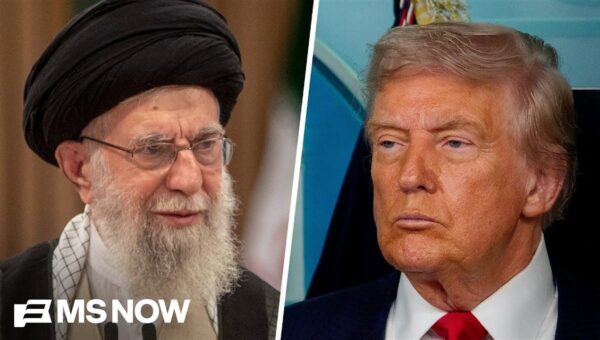
US Strikes Iran: What’s Next for Trump’s Regime Change Strategy?
The U.S. has launched significant strikes against Iran, targeting its leadership and military capabilities. While President Trump claims progress, experts question the long-term strategy, potential diplomatic engagement, and support for the Iranian people amidst a leadership vacuum.

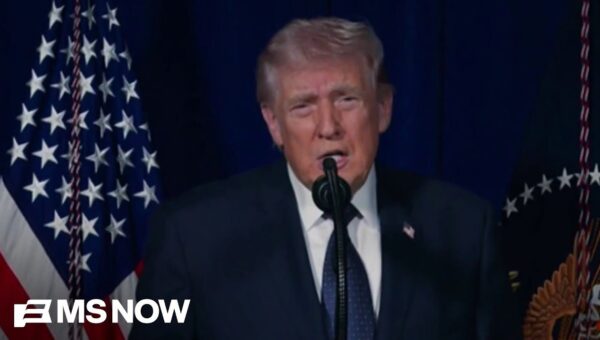
US Launches Massive Iran Offensive; Warns of More Service Member Casualties
The United States has launched a major military offensive, 'Operation Epic Fury,' against Iran, targeting hundreds of sites and reportedly eliminating Iran's Supreme Leader. Amidst ongoing combat, three U.S. service members have been killed, with officials warning of further casualties.