Iran’s Ultimatum Shakes US Diplomacy, Fuels Global Instability
Iran's refusal to attend crucial talks in Pakistan, demanding adherence to a prior 10-point framework, has triggered a diplomatic crisis. The standoff, coupled with escalating threats and economic fallout, highlights global instability and raises serious questions about international relations and accountability.

Iran’s Ultimatum Shakes US Diplomacy, Fuels Global Instability
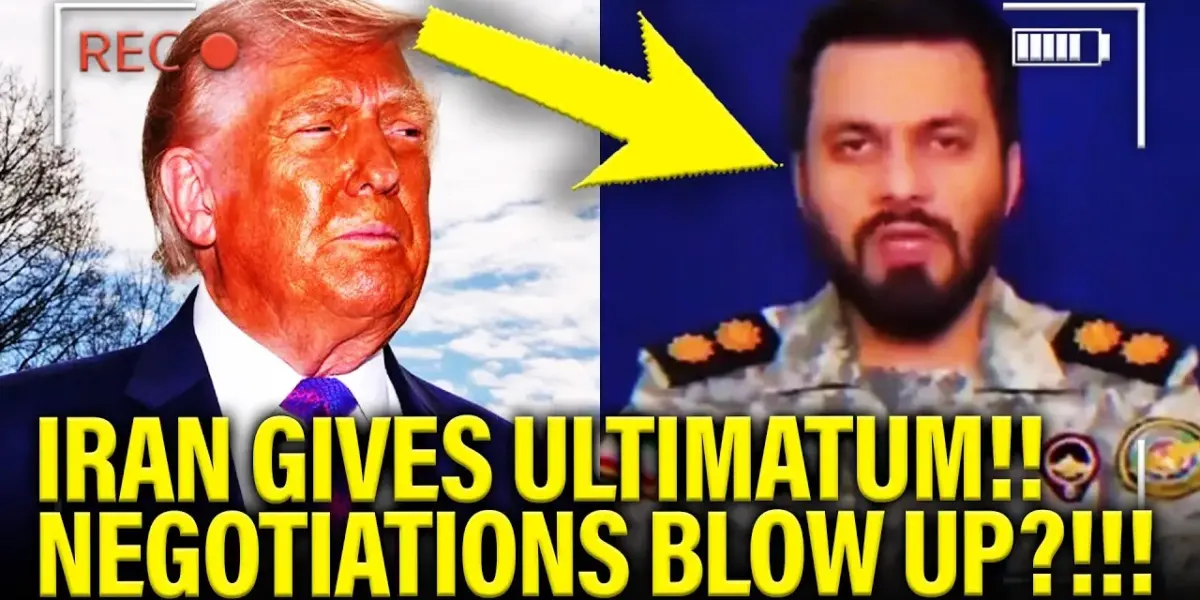
Tensions are escalating as Iran’s negotiating team refuses to attend crucial talks in Pakistan. They state clearly that their presence hinges on the United States honoring a previously accepted 10-point framework. This framework, which the transcript suggests Donald Trump and the U.S. had agreed to, includes major points like halting U.S. and Israeli bombings in Lebanon. Iran also insists on its control over the Strait of Hormuz, its right to enrich uranium, and keeping its ballistic missiles. Furthermore, Iran seeks long-term security guarantees.
The Iranian delegation remains in Tehran, making it clear they will not travel to Islamabad unless these conditions are met. Meanwhile, U.S. Senator JD Vance has already arrived in Pakistan, creating a situation where the U.S. is present while Iran is absent, and accusations of threats are flying.
Trump’s Response and Conflicting Narratives
In response to Iran’s stance, Donald Trump is reportedly preparing military operations, should talks fail. He has also claimed that Iran misunderstood the English language, leading to the current deadlock. This explanation has been met with criticism, with some viewing it as an attempt to save face for the United States.
Trump made a strong statement to the New York Post, indicating a readiness for military action: “We’re going to find out in about 24 hours. We’re going to know soon. We’re loading up the ships with the best weapons ever made, even at a higher level than we used to do to do a complete decimation.” This threat of “complete decimation” stands in stark contrast to Iran’s position.
Iran’s parliament leader, MB Galab, posted a message highlighting two key measures that Iran believes are still unfulfilled: a ceasefire in Lebanon and the release of Iran’s blocked assets. These, Iran states, must be resolved before any negotiations can begin. Iranian social media has also expressed this sentiment, questioning the nature of power dynamics with phrases like “Bully or not bully, that is the question.”
Escalation and Human Cost
Iran’s press TV, citing Iranian sources, reported that Iran’s pressure forced Israel to halt attacks on Beirut, making the cessation of these attacks a precondition for ceasefire talks. According to this narrative, further negotiations depend on Israel not attacking Beirut and other Lebanese areas, and any renewed assault would lead to the complete suspension of talks. The report suggests the U.S. compelled Israel to stop its attacks.
The transcript points to a significant escalation of Israeli strikes on Beirut shortly after a supposed ceasefire was announced, resulting in substantial casualties, including many civilians. The destruction of residential areas is described as devastating.
Amidst this diplomatic standoff, Donald Trump has posted about a “world’s most powerful reset,” which critics argue has weakened America and strengthened rivals like China and Russia. He also commented on Iran’s negotiating position, stating, “The Iranians don’t seem to realize that they have no cards other than a shortterm extortion of the world by using international waterways. The only reason they are alive today is to negotiate!”
Economic Repercussions and War Crimes Allegations
The conflict and the disruption in the Strait of Hormuz are having a significant economic impact. U.S. oil prices have surged, exceeding $100 per barrel. Consumer sentiment in the U.S. has fallen to a record low of 47.6 in April, according to the University of Michigan consumer sentiment index. This is lower than during the height of the COVID-19 pandemic in March 2020 or the 2008 Great Recession.
Inflation is also rising sharply. The CPI showed a 3.3% year-over-year increase in March, the highest since May 2024. Gas prices jumped 21% in March, with fuel oil soaring 31%. This inflation is hitting middle and lower-income households hard.
The transcript raises serious allegations of war crimes. A New York Times analysis verified damage to 22 schools and 17 health facilities in Iran from U.S. and Israeli strikes. However, Iran’s Red Crescent reports a much higher toll, with 763 schools and 316 health facilities damaged or destroyed. Many strikes hit populated areas, leading to civilian deaths, including children and medical workers. The author argues that those involved in these actions should face trial for war crimes.
Geopolitical Ripples and Future Outlook
Israeli Prime Minister Benjamin Netanyahu has reportedly requested a delay in his corruption trial, citing classified security and diplomatic reasons linked to the current events. Critics suggest he may be using the ongoing conflicts to postpone his legal proceedings.
Shipping through the Strait of Hormuz remains restricted, with only Iran-linked vessels reportedly allowed passage. Kevin Hassett, a former Trump economic adviser, suggested it might take two months for the strait to fully reopen, but the transcript suggests this is optimistic. Iran is reportedly charging fees for passage, a move that aligns with their demand for reparations.
The situation is further complicated by increased Chinese naval activity in the East and South China Seas. This comes as Taiwan’s opposition leader visits China, a move seen by some as China attempting to exert influence. The transcript suggests that as the U.S. security presence in the Middle East is perceived as weakened, China may see an opportunity to increase its pressure on Taiwan, believing the U.S. is currently too preoccupied or weakened to effectively respond in Asia.
Why This Matters
This situation highlights the fragility of international diplomacy and the severe consequences of escalating conflicts. The breakdown of talks between the U.S. and Iran, fueled by mistrust and conflicting demands, has immediate and far-reaching effects. Economically, the surge in oil prices and rising inflation directly impact global markets and household budgets. The allegations of war crimes raise critical questions about international law and accountability.
Historically, the Strait of Hormuz has been a vital chokepoint for global oil supplies, and any disruption there has historically led to significant price spikes and economic instability. The current situation echoes past periods of heightened tension in the region, but the added layer of diplomatic breakdown and the scale of alleged human rights violations make this moment particularly concerning.
The future outlook suggests a continued period of heightened global instability. The perceived weakening of U.S. influence in the Middle East could embolden other global powers, leading to shifts in regional and international power dynamics. The reliance on military threats over diplomatic solutions appears to be backfiring, creating a cycle of escalation that benefits few and harms many.
Source: Trump PANICS as Iran GIVES FINAL ULTIMATUM!!! (YouTube)

Related Articles

Iran’s Bold Stance: Regime Feels Empowered Amidst Negotiations
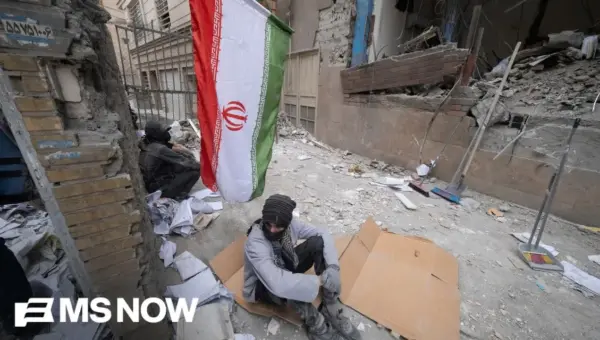
Iran appears emboldened on the international stage, presenting maximalist demands ahead of negotiations and maintaining control over the Strait of Hormuz. The regime's strategy, viewed as a victory by supporters, contrasts sharply with the silenced dissent of the majority of the Iranian population who face a grim reality of suppressed freedoms.


Buttigieg Confronts MAGA Critic on Key Issues Live
Transportation Secretary Pete Buttigieg engaged in a spirited debate on CNBC, challenging pro-Trump arguments on Iran, inflation, and leadership. The exchange highlighted differing perspectives on complex economic and foreign policy issues.
US, Iran Clash on Ceasefire Terms Ahead of Pakistan Talks
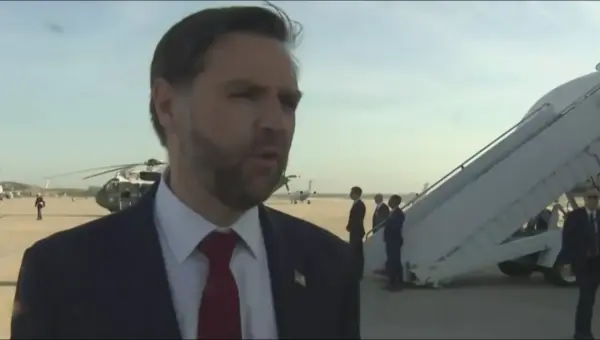
Vice President Vance leads U.S. talks with Iran in Pakistan amid a shaky ceasefire and Iranian demands for Lebanon's inclusion and asset release. Tensions over the Strait of Hormuz and domestic inflation add complexity to the high-stakes negotiations.