Iran’s Truce Claims Crumble Amidst Regional Tensions
Reports of a ceasefire between Israel and Iran, allegedly brokered with U.S. involvement, are collapsing. No public document or official agreement exists, leaving the U.S. as the sole willing partner with much to lose. Meanwhile, Iran escalates rhetoric and continues regional actions, while domestic U.S. controversies distract from foreign policy.

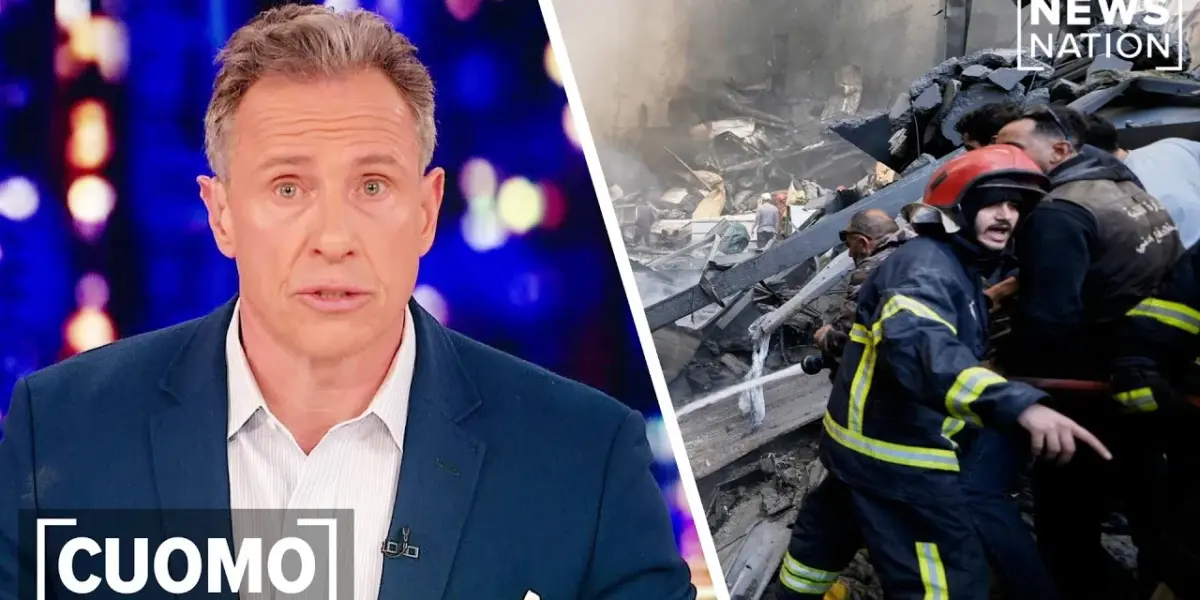
Iran’s Truce Claims Crumble Amidst Regional Tensions
Reports of a ceasefire between Israel and Iran, allegedly brokered with U.S. involvement, are falling apart. This situation is becoming more concerning by the hour. The United States has very little to gain from this apparent agreement. For Iran’s leadership, the operation lasting longer than expected is not ideal. For Israel, the situation is even less favorable. It’s crucial to understand that this is not a real ceasefire. There is no public document, no written agreement, and nothing has been officially signed or agreed upon.
The United States appears to be the only willing partner in these discussions. This is likely because the U.S. has the most to lose and the least to gain. Meanwhile, Israel continues to strike targets in Lebanon, despite the supposed halt in hostilities. The U.S. President reportedly told Israeli leadership to “go low key.” However, this does not look like a low-key situation. Israeli Prime Minister Netanyahu remains firm: there is no ceasefire. This stance presents a significant problem.
Iran’s Rhetoric Escalates
Iran’s President has stated that Israel’s attacks on Lebanon make negotiations meaningless. He also warned that Iran’s “finger is on the trigger.” The exact meaning of this threat is unclear. However, intelligence from the Israeli Defense Forces (IDF) and the U.S. military suggests Iran’s regime has suffered major setbacks in weapons and assets. Yet, in the war of words, the regime is proving formidable. This verbal conflict seems to be shaping the direction of any potential talks.
Iran is using its influence. They continue to block traffic through the Strait of Hormuz. This action comes with demands directed at the U.S. President, concerning Israel and Lebanon. Failure to meet these demands could lead to further action. So far, the U.S. President’s main response has been to complain. He has called the regime dishonorable for not keeping its word. The President understands he is dealing with determined individuals who believe their actions are divinely inspired.
U.S. Diplomatic Representation Questioned
Given the turbulent international waters, questions arise about whether the U.S. is best represented in the weekend’s negotiations. Senator J.D. Vance, who has no prior negotiation experience of this nature, is reportedly involved. He is expected to be joined by Trump’s son-in-law, a key figure in real estate and business dealings. This representation raises concerns about the effectiveness of U.S. diplomacy in this high-stakes situation.
First Lady’s Statement on Epstein Sparks Controversy
A new front in the war of words has opened. The U.S. President is now facing criticism from his own wife. The First Lady has inexplicably brought Jeffrey Epstein back into the public eye. She held a press conference to distance herself from Epstein, reportedly without informing the White House. This move is hard to believe, as it’s unlikely the White House staff would be happy about it. The First Lady stated, “I was never friends with Epstein.” She clarified that she and Epstein were invited to the same events at times, sharing overlapping social circles in New York. She added that Donald Trump did not introduce her to Epstein. She claims to have never had any knowledge of Epstein’s abusive actions. She also stated she never visited Epstein’s properties.
The First Lady called on Congress to provide a platform for victims of Epstein. She specifically requested public hearings focused on survivors. After her speech, the President told a reporter he knew nothing about it. Perhaps this is because she supports giving survivors a hearing and did not defend her husband’s past associations. The timing of this statement is puzzling. While more disclosure about Epstein is welcome to understand how the administration investigates the free press, no one involved with his alleged human trafficking operation faces similar scrutiny.
Selective Service Registration Sparks Draft Fears
The focus on the First Lady’s statements is a distraction from other pressing issues. Many people are asking if their children will be drafted. This fear stems from headlines suggesting young men aged 18-25 will be automatically registered for the military draft pool starting in December. This reporting is somewhat misleading. The administration has handled the messaging poorly, making it seem more provocative than it is.
This is simply a shift in responsibility. Currently, all men are required to register with the Selective Service upon turning 18. President Jimmy Carter reinstated this requirement in 1980, after the Vietnam War. This is different from an actual draft, which the administration cannot implement unilaterally. A draft requires a law passed by Congress. Therefore, there is no immediate draft. However, the shift in burden is notable. It mirrors arguments made about voter ID laws, where the burden is placed on individuals. In this case, the burden shifts to the administration to identify and sign up eligible individuals for the Selective Service. The goal is to increase registration numbers, similar to how the administration wants more people to register to vote.
Global Impact
The lack of a genuine ceasefire in the Middle East fuels regional instability. Iran’s continued threats and actions, like blocking shipping lanes, impact global trade and energy prices. The U.S. position as a mediator, while appearing willing, is strained by the lack of concrete agreements and conflicting actions from allies like Israel. The controversy surrounding the First Lady’s statements and the miscommunication around the Selective Service registration highlight internal U.S. political challenges. These issues distract from critical foreign policy decisions and can erode public trust. The situation underscores the complex interplay of international diplomacy, regional rivalries, and domestic politics. It shows how easily words can be misinterpreted and how fragile peace efforts can be without clear, signed commitments.
Historical Context
The current tensions echo historical patterns of proxy conflicts and diplomatic maneuvering in the Middle East. Iran’s actions, such as disrupting maritime traffic, have precedents dating back to the Iran-Iraq War and subsequent naval standoffs. The U.S. role as a mediator is a recurring theme, often complicated by its alliances, particularly with Israel. The re-emergence of the Epstein scandal, while seemingly unrelated, taps into a history of powerful figures facing scrutiny over alleged misconduct. The Selective Service system itself is a legacy of conscription, a tool of state power used during major conflicts like World War II and the Vietnam War. Reinstating mandatory registration, even without an immediate draft, recalls a time when the government’s call for military service was a more direct concern for young Americans.
Source: Chris Cuomo: US, Iran and Israel agreement on ceasefire isn’t real | CUOMO (YouTube)

Related Articles

Kerry Warns Trump on Iran: “Dangerous Moment”
Former Secretary of State John Kerry described the current conflict with Iran as a "very dangerous moment," criticizing the Trump administration's withdrawal from the nuclear deal and its haphazard approach to foreign policy. He warned that these actions have significantly increased Iran's leverage and made future diplomacy much more difficult.

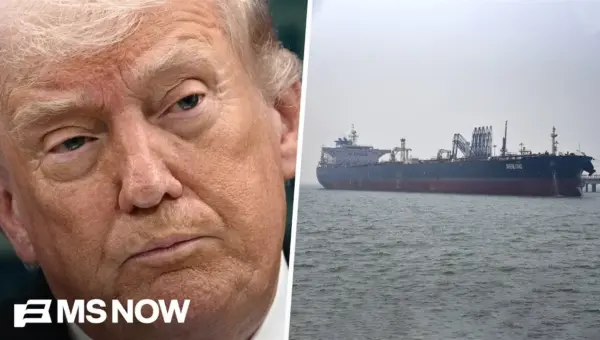
Trump Faces Iran War Fallout Amid Peace Talk Uncertainty
President Trump faces mounting pressure as the Iran conflict's outcome appears uncertain, with oil prices rising and key waterways disrupted. Meanwhile, First Lady Melania Trump has broken her silence on the Epstein files, denying any connection to Jeffrey Epstein.
Trump Faces Backlash as Allies Criticize His War Strategy
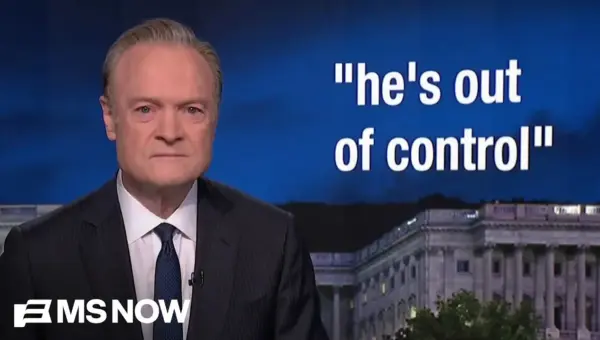
Donald Trump is facing increasing criticism from allies and political figures over his handling of a foreign conflict, with concerns mounting about his mental stability and decision-making. His wife, Melania Trump, has entered the discourse, calling for testimony from Epstein survivors, while figures like Marjorie Taylor Greene question his fitness for office. Reports also highlight issues with military preparedness and Trump's unique approach to international negotiations.