Iran’s Tactics: The Art of Negotiation as a Delay Tactic
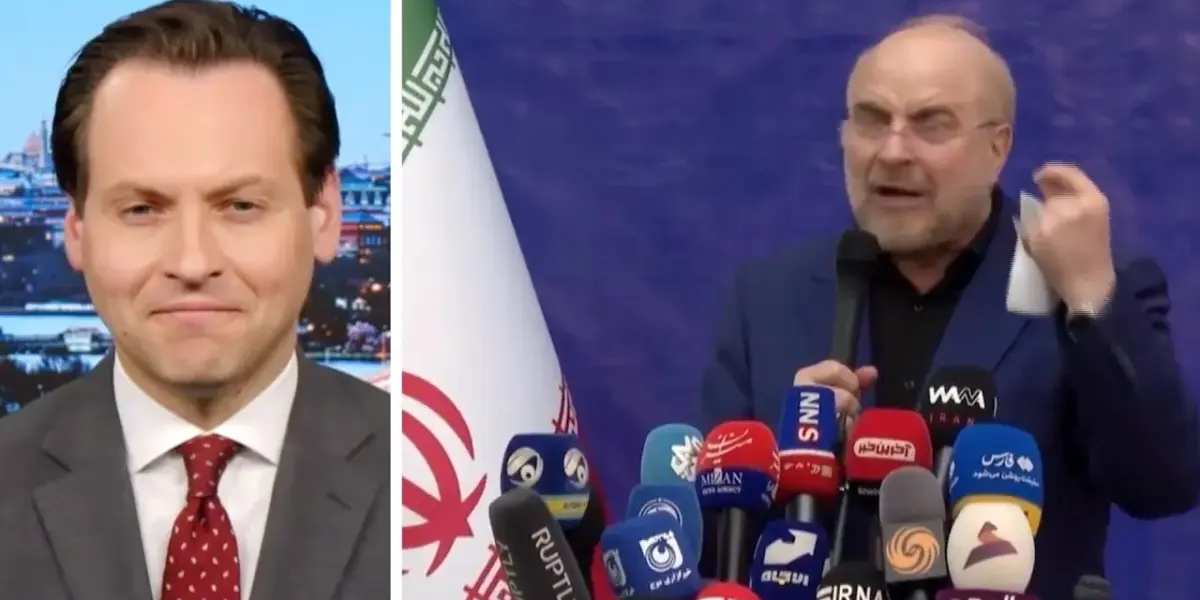
Security analyst Jacob Olador explains Iran's strategy of using negotiations to buy time for military buildup. He discusses the U.S. approach of combining diplomacy with military pressure and the potential consequences for Iran if it fails to comply.

Iran’s Tactics: The Art of Negotiation as a Delay Tactic
In the complex world of international relations, Iran has often been accused of using negotiations not to reach agreements, but to simply buy time. This strategy, according to security policy analyst Jacob Olador, allows the regime to rebuild its capabilities while appearing to engage diplomatically. This approach has become a hallmark of how Iran interacts with global powers, particularly the United States.
The Combination of Diplomacy and Force
Olador suggests that the only effective way to deal with the current Iranian regime is through a mix of diplomacy and military pressure. He believes the U.S. administration has been using this dual approach. The goal is to ensure that threats originating from Iran are eliminated. The regime, he argues, has had this goal of posing threats for 47 years. Therefore, the only acceptable response from Iran should be to agree to these terms. If Iran does not comply, the U.S. has several options and tools at its disposal to meet its objectives.
Why Deny Negotiations?
Despite the U.S. signaling that negotiations are progressing, Iran has continued to deny that talks are happening. This denial comes even as Iran has allowed tankers to pass through the Strait of Hormuz, an action presented as a gesture of goodwill. Olador explains that this denial is typical of the regime. Iran has used negotiations in the past as a way to survive and gain time. During this time, they work to rebuild their military and technical abilities, which have historically been weakened. The current U.S. administration is aware of these tactics and the dangers Iran poses. More of this behavior is expected from the Iranian side. However, the President has made it clear that other actions will be taken if diplomacy does not yield results.
Targeting Iran’s Economic Lifelines
President Trump has repeatedly warned about potential actions if a deal is not reached soon. One such warning involves targeting oil facilities on Kharg Island. Olador clarifies that this is not about a direct attack but a planned operation. General McKenzie, former commander of CENTCOM, explained that this operation involves seizing oil from the islands. This strategy has multiple benefits. It humiliates the Iranian regime. By taking the oil instead of destroying it, the U.S. cuts off a vital source of income for Iran. This is done without completely disrupting the global energy market. This operation has been planned and practiced for years. The threats to U.S. troops during such an operation are also significantly reduced due to recent military actions.
Leverage Through Infrastructure
The U.S. is also using Iran’s power and water plants as leverage in negotiations. While these facilities have not yet been targeted, their potential use as pressure points is clear. The broader context is that the U.S. wants to reach a point where Iran’s threats are completely eliminated. This is necessary so that the U.S. and other nations do not have to repeatedly intervene in the region to address growing dangers. This strategy aligns with the President’s stated goal of protecting Americans from threats posed by the Iranian regime.
Escalation or De-escalation? The Houthi Factor
The recent involvement of the Houthi rebels in Yemen raises questions about whether the conflict is escalating or de-escalating. Olador believes the Houthi actions were somewhat expected. Each of Iran’s proxy groups has its own motivations. For the Houthis, who have little to lose by aligning with Iran, joining the conflict was likely a matter of time. This engagement has been ongoing for years. Interestingly, one positive side effect mentioned is that the Strait of Hormuz has become more stable than in recent history due to these actions. Beyond military aspects, Olador highlights the diplomatic achievements. The U.S. administration has successfully built a coalition of international partners. Nations in Asia, which rely heavily on energy supplies passing through the Strait, have shown renewed confidence. They are now committed to building regional security infrastructure to counter Iran’s threats. This contrasts with a less enthusiastic response from some European nations. The U.S. is fostering a new Middle East where it doesn’t have to bear the security burden alone. The President’s skills as a negotiator are on full display, convincing countries to actively participate in ensuring stability.
Iran’s Global Reach and NATO’s Role
Iran’s actions extend beyond regional proxies, with recent missile incidents targeting Turkey. This raises concerns about potential NATO involvement. Olador points out that Turkey has been targeted multiple times, and 14 countries in total have been hit by Iranian missile launches. These missiles are not just aimed at military targets; they are also striking civilian areas. This recklessness damages Iran’s reputation and ability to gain support. Every nation, including Turkey, will take necessary steps to protect its citizens. These incidents underscore the global scale of the threats posed by the Iranian regime.
The Path Forward for Iran
Given the U.S. actions and the lack of support from allies like Russia and China, Iran faces limited options. Olador believes there is no alternative for Iran but to cooperate with the U.S. The President has a clear record of taking necessary actions to protect Americans from threats. This includes past actions like the strike against Qassem Soleimani. Regardless of Iran’s decisions, the U.S. remains focused on safeguarding its people.
Why This Matters
The analysis highlights a critical aspect of international diplomacy: the strategic use of negotiations as a stalling tactic. Iran’s alleged pattern of using talks to buy time for military buildup poses a significant challenge. It forces other nations to consider a combination of diplomatic pressure and military readiness. The potential disruption to global energy markets and regional stability is immense. Understanding Iran’s approach is key to navigating these complex geopolitical challenges and ensuring global security.
Implications and Future Outlook
The current strategy suggests a move towards a more stable Middle East, with regional partners taking greater responsibility for security. The U.S. aims to reduce its direct involvement over time. However, the effectiveness of this strategy depends on Iran’s response and the continued unity of the international coalition. If Iran continues its aggressive posture, further actions, including economic and military measures, are likely. The global implications are vast, affecting energy security, international trade, and the balance of power in a critical region.
Historical Context
Iran’s foreign policy has often been characterized by a dual approach of engagement and resistance. Since the 1979 revolution, the regime has faced international pressure and sanctions. This has led to the development of strategies aimed at survival and influence, including the use of proxy forces and the pursuit of advanced military capabilities. The current situation can be seen as an evolution of these long-standing tactics, adapted to a new geopolitical landscape and a determined U.S. administration.
Source: Iranian Regime Known for Using Negotiations to ‘Buy Time’: Security Policy Analyst (YouTube)

Related Articles
US Weighs Iran Strategy: Hormuz Strait’s Fate Uncertain
The United States is reportedly reconsidering its strategy in the Iran conflict, potentially willing to end hostilities even if the Strait of Hormuz remains closed. This critical oil choke point's closure has trapped thousands of vessels, causing global economic disruption and raising questions about U.S. war objectives. Military action remains a strong possibility to reopen the vital waterway.

Hegseth Undermines Trump’s War Plans Daily
Pete Hegseth, Trump's Secretary of Defense, is reportedly undermining the former president's stated war plans with Iran. Conflicting timelines, shifting objectives, and ethical questions surrounding financial dealings create significant uncertainty. This situation highlights the challenges of clear communication and strategic consistency in national security.
Oil Shocks Fuel Recession Fears, Markets Wobble
Soaring oil prices are rattling global markets, pushing major indices toward correction territory and sparking fears of a recession. Experts warn that prolonged energy shocks, particularly concerning the Strait of Hormuz, could severely impact economic growth. Investors are advised to maintain diversified portfolios and cash buffers.