Iran’s Supreme Leader Killed in US-Israeli Airstrikes
Ayatollah Ali Khamenei, Iran's Supreme Leader, has been killed in a U.S.-Israeli airstrike, plunging the region into turmoil. Former NATO commander General Philip Breedlove described the operation as a sophisticated display of air power, intended to dismantle the Iranian regime. Retaliatory attacks by Iran have raised fears of wider regional conflict.

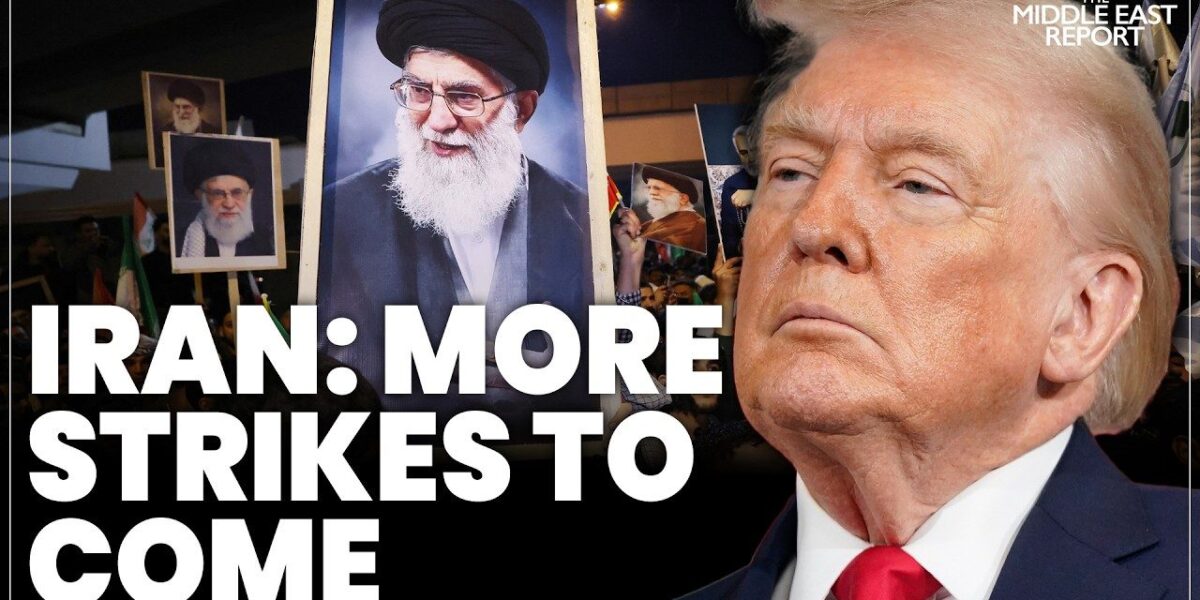
Iran’s Supreme Leader Killed in US-Israeli Airstrikes
In a dramatic escalation of Middle Eastern tensions, Ayatollah Ali Khamenei, the Supreme Leader of Iran since 1989, has been killed in coordinated airstrikes carried out by the United States and Israel. The swift and decisive operation, which occurred during daylight hours, has plunged Iran and the wider region into a state of turmoil and uncertainty. The unprecedented strike marks a significant shift in regional dynamics, with analysts suggesting a determined effort to dismantle the Iranian regime.
Unprecedented Strike Carries Major Implications
General Philip Breedlove, former Supreme Allied Commander of NATO in Europe, commented on the event, stating that the world should not be entirely surprised. “The United States and to some degree Israel has been messaging for some time that if Iran doesn’t change its path then the US would come and change its path for it,” Breedlove explained. He highlighted the strategic choice of attacking during the day, a departure from typical covert operations, suggesting a deliberate show of force and capability.
“It’s quite extraordinary. They have blanketed Iran targets. They have essentially in one day established air superiority again. They have taken out the supreme leader… This attack was probably… moved forward in time. And that is not easy. I would offer to you no other air forces in the world could have pulled that off.”
General Philip Breedlove
The operation, codenamed by participants as “Operation Rising Lion and Midnight Hammer,” involved a sophisticated application of Western air power. Breedlove detailed that the strikes combined “extremely accurate intelligence with extremely accurate weapon systems,” leading to a “nearly completely successful attack.” He also noted the demonstrated superiority of Western air power over Russian-made defense systems, which were reportedly rendered ineffective.
Iran’s Response and Regional Spillover Fears
Following the strikes, Iran launched retaliatory attacks targeting U.S. bases in Bahrain and the United Arab Emirates, among other locations in the Middle East. However, Breedlove suggested that these actions were a strategic miscalculation by Iran’s leadership.
“Iran made a big mistake striking into these Gulf countries because they may have found more solace there had they not attacked,” Breedlove stated. He indicated that some Gulf nations, previously on the defensive, are now prepared to join offensive operations against Iran. “They are now going to reap the ugly benefits of having attacked their brothers and sisters in the region.”
Debate Over Legality and Justification
The legality and morality of the strikes have been a subject of debate, with some international observers, including reportedly the UK and other countries, questioning the adherence to international law. However, Breedlove firmly rejected the notion that Iran was an unprovoked target.
“Iran has been starting fights from us from when they started killing Americans on Mas in Beirut Cobar towers when they struck our ships,” Breedlove argued. “Iran has been screaming death to America for a long time and they outside of major world wars are one of the top killers of Americans overseas.” He asserted that Iran initiated the conflict years ago, and previous U.S. administrations had not acted decisively until the current one.
Future Operations and Regime Dismantlement
Looking ahead, General Breedlove anticipates a prolonged and systematic campaign to eliminate the Iranian regime’s power. He noted that previous operations, “Rising Lion and Midnight Hammer,” were halted by the West, which gave Iran an opportunity to change its course, particularly regarding its nuclear program. Iran’s failure to do so, Breedlove believes, has led to a “much more determined attack to systematically eliminate the power of the regime.”
The objective appears to be not just the elimination of key leadership but also the dismantling of the Islamic Revolutionary Guard Corps (IRGC) and the broader theocratic structure. Breedlove acknowledged the challenge of distinguishing between the regime and the Iranian people, emphasizing the Western strategy to “get rid of the bad and usher in the good.” Future operations will focus on ensuring the Iranian Navy cannot disrupt vital shipping lanes, suppressing enemy air defenses to maintain air superiority, and continuing to degrade IRGC and regime capabilities while seeking to retain the support of the Iranian populace.
What Comes Next
The immediate future will likely see continued targeted strikes aimed at further degrading Iran’s military and political infrastructure. The focus will remain on maintaining air superiority and preventing any resurgence of Iranian offensive capabilities. The international community will be closely watching the regional response and the internal dynamics within Iran as the country grapples with the loss of its long-standing leader and the escalating conflict.
Source: Ayatollah Ali Khamenei is killed in US-Israeli airstrikes and 'more to come' l General Breedlove (YouTube)

Related Articles

Thousands Mourn Khamenei, Chant ‘Death to America’ in Iran
Thousands gathered in Yazd, Iran, to mourn Supreme Leader Ayatollah Ali Khamenei following reported U.S. and Israeli strikes. The mourning ceremony was marked by chants of "Death to America," highlighting deep-seated anti-American sentiment amid geopolitical tensions.
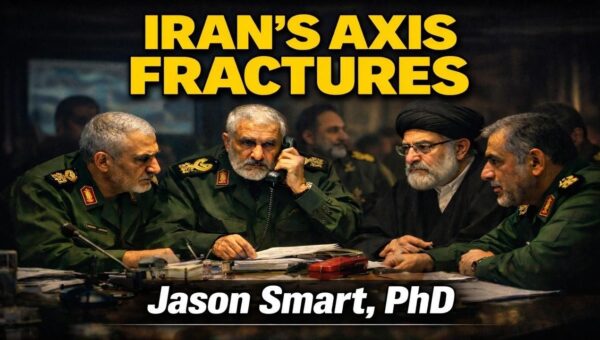
Iran’s Regime Under Siege: Attacks Cripple Leadership, Impact Russia
Iran's regime is reportedly facing critical blows from targeted attacks, crippling its leadership and severing a vital military supply line to Russia. This dual pressure is significantly impacting Russia's war efforts in Ukraine, while internal dissent grows within Iran.

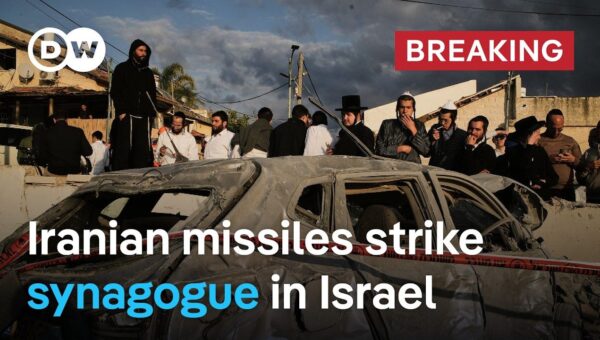
Iran Missile Strike Kills 9 in Israel, Netanyahu Vows Escalation
Nine people were killed and 28 wounded in a devastating Iranian missile strike on a synagogue in Beit Shemesh, Israel. Prime Minister Benjamin Netanyahu has vowed to intensify strikes on Tehran, as analysts discuss the escalating conflict and Iran's capacity for sustained resistance.