Iran’s Supreme Leader Killed in US-Israel Strike; Retaliation Ensues
Iran's Supreme Leader Ayatollah Khamenei has been killed in a joint US-Israel strike, leading to intensified retaliatory attacks by Iran across the region. Disruptions in the Strait of Hormuz threaten global oil supply, while political reactions in the US raise questions about the war's strategy and legitimacy.

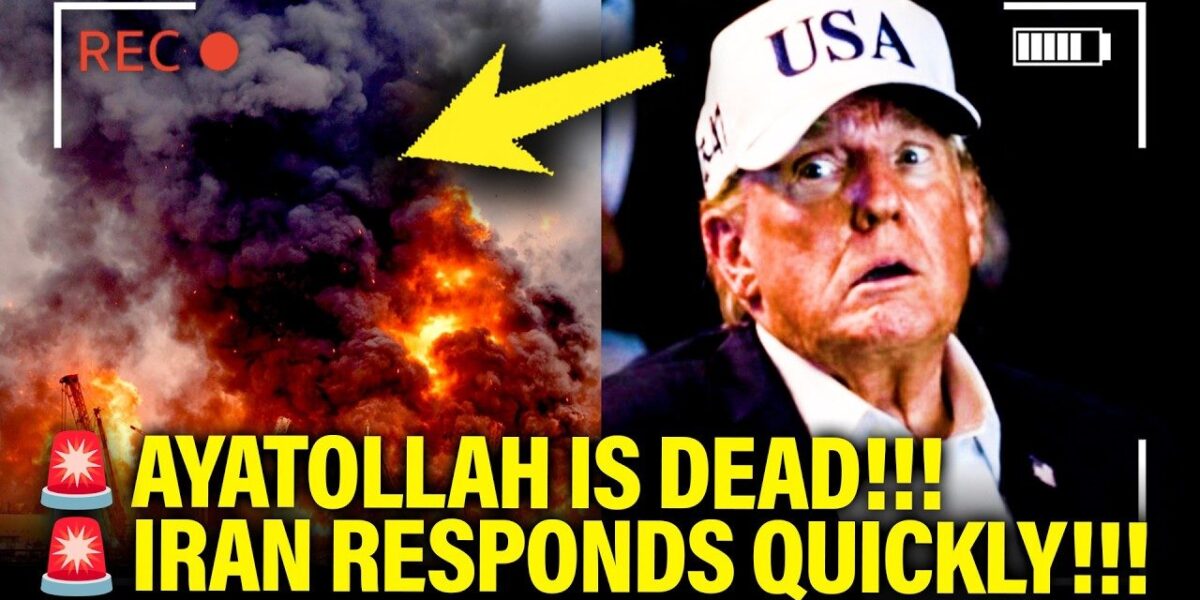
Ayatollah Khamenei Fatally Struck in Joint Operation
The supreme leader of Iran, Ayatollah Khamenei, has been killed in a joint United States-Israeli air strike, according to multiple credible sources. Photos reportedly showing the deceased leader have been presented to Israeli Prime Minister Benjamin Netanyahu and former U.S. President Donald Trump, confirming the death. The strike, codenamed “Operation Epic Fury” by the U.S. and Israel, targeted the Ayatollah’s compound in Tehran during Shabbat and Ramadan, catching the leadership off guard. The compound was reportedly destroyed in the attack, which also claimed the lives of several other senior Iranian officials.
Iran Escalates Attacks Following Leader’s Death
Despite the demise of Ayatollah Khamenei, Iran has intensified its retaliatory strikes across the region. Attacks have been launched against Israel and neighboring countries, including Bahrain, the United Arab Emirates, Abu Dhabi, and Dubai. Reports indicate a direct impact from an Iranian ballistic missile in Tel Aviv, with footage showing the strike. The Israeli Iron Dome missile defense system was reportedly engaged, though it is suggested that at least one missile may have penetrated the defense.
“When the CIA was briefing Donald Trump and other intelligence services were briefing him about the risks of this war, they talked about the conflation in the region as well as the fact that killing Ayatollah Kani doesn’t just stop the regime. the regime had a succession plan and there is already um if anything an acceleration of the attacks by Iran in the region.”
Strait of Hormuz Disruption and Economic Impact
The ongoing conflict has led to significant disruptions in the Strait of Hormuz, a critical global oil choke point. Tracking data reveals that dozens of oil and gas tankers are halting, idling, or diverting away from the strait. Major shipping firms have suspended transit, and the Iranian Revolutionary Guard Corps (IRGC) has issued warnings to maritime traffic. The Strait of Hormuz handles approximately 20-30% of global seaborn oil and nearly a quarter of the global liquefied natural gas (LNG), raising concerns about profound economic impacts worldwide.
Succession Plan and Regional Instability
Iran has long maintained a succession plan for its leadership, and parliamentary procedures are expected to be initiated to select a new leader. Analysts suggest that the death of Ayatollah Khamenei may not halt the regime’s actions, and potentially could lead to a more extreme successor. This situation underscores the complexity of the region, where the removal of a single leader does not guarantee a de-escalation of conflict.
U.S. Political Reactions and Strategic Questions
Former President Donald Trump has commented on the situation, stating that he could “go long and take over the whole thing with regard to Iran or end it in two or three days.” He also alluded to having “several offramps” from the operation. However, questions have been raised about the long-term strategy, with critics suggesting that the plan involves temporarily degrading Iran’s military capabilities and then withdrawing, without a clear resolution. Trump’s remarks, made in interviews with Axios and NBC, have been described as partly facetious, with him joking about being called upon to select Iran’s next leader.
Attacks on Bahrain and Dubai
Further escalating the conflict, high-rise buildings in Bahrain have been targeted by Iranian drones, with footage showing one building engulfed in flames near the U.S. Navy’s Fifth Fleet headquarters. Dubai International Airport has also reportedly been struck, with images depicting evacuations and people fleeing the area. These attacks highlight the expanding reach of Iran’s retaliatory actions.
Humanitarian Concerns and War Legitimacy
Reports from Iran indicate celebrations among some segments of the population following the Ayatollah’s death, reflecting deep-seated discontent with the regime. However, the U.S. involvement in the strike raises questions about supporting regime change wars and the use of taxpayer dollars for such operations. There are also grave concerns regarding collateral damage, with reports of a girls’ elementary school in Minab being hit in a joint U.S.-Israeli attack, resulting in a significant number of casualties, including young girls. The legitimacy of the war, particularly without constitutional authorization from Congress, has been called into question.
Looking Ahead
The coming days will be critical in determining the trajectory of this escalating conflict. The selection of a new Iranian leader, the effectiveness of Iran’s retaliatory measures, and the international community’s response to the disruptions in global trade routes will be closely watched. The strategic decisions made by the U.S. and its allies, particularly in the context of potential long-term U.S. engagement or withdrawal, will have significant geopolitical and economic ramifications.
Source: 🚨AYATOLLAH KILLED By US…IRAN QUICKLY RETALIATES!! (YouTube)

Related Articles
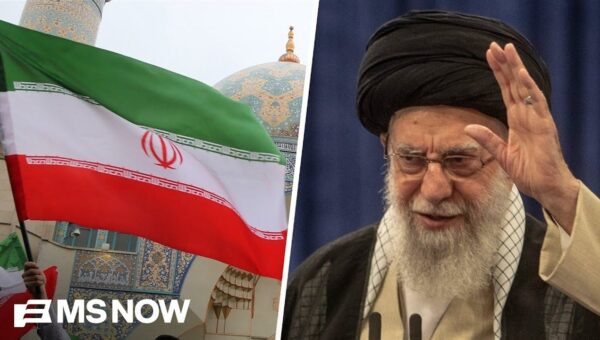
Iran Celebrates After Israeli Strikes Eliminate Top Leaders
Following Israeli airstrikes that reportedly killed Iran's Supreme Leader and top staff, celebrations have erupted among the Iranian diaspora. While a "monumental event," analysts caution against immediate expectations of a smooth democratic transition due to the IRGC's power and a divided opposition.

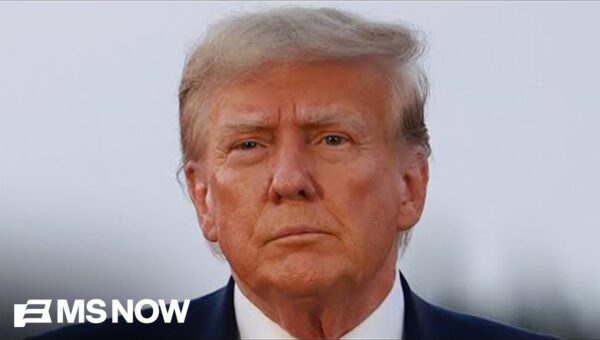
Dem Rep. Gomez: Trump Was Never Truthful About Peace
California Congressman Jimmy Gomez criticized the Trump administration's handling of intelligence regarding Iran, stating the President was "never truthful" about his intentions. Democrats plan to force a vote on a War Powers resolution, arguing the recent military actions lacked justification and congressional approval.
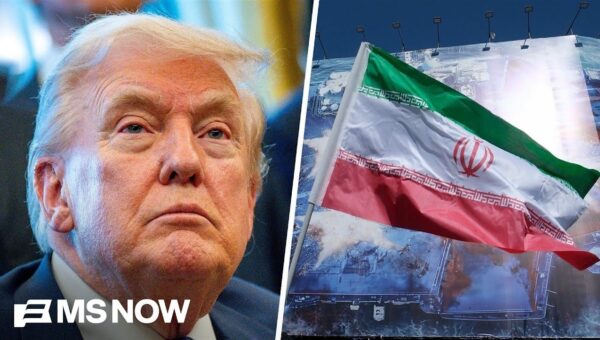
Trump Open to Iran Talks After Attacks, Shifts on Regime Change
President Trump has agreed to negotiate with Iran's new leadership following recent U.S. and Israeli attacks, signaling a potential shift from his regime change objective. The move has drawn scrutiny from former officials who question the strategic coherence of U.S. policy.