Iran’s Supreme Leader Killed in Joint US-Israel Strikes
Iran's Supreme Leader Ayatollah Khamenei and top military officials were killed in a joint US-Israel "Operation Epic Fury." The strikes have led to significant casualties in Iran, while the US reports no personnel losses. President Trump has endorsed regime change and warned of severe retaliation if Iran strikes back.

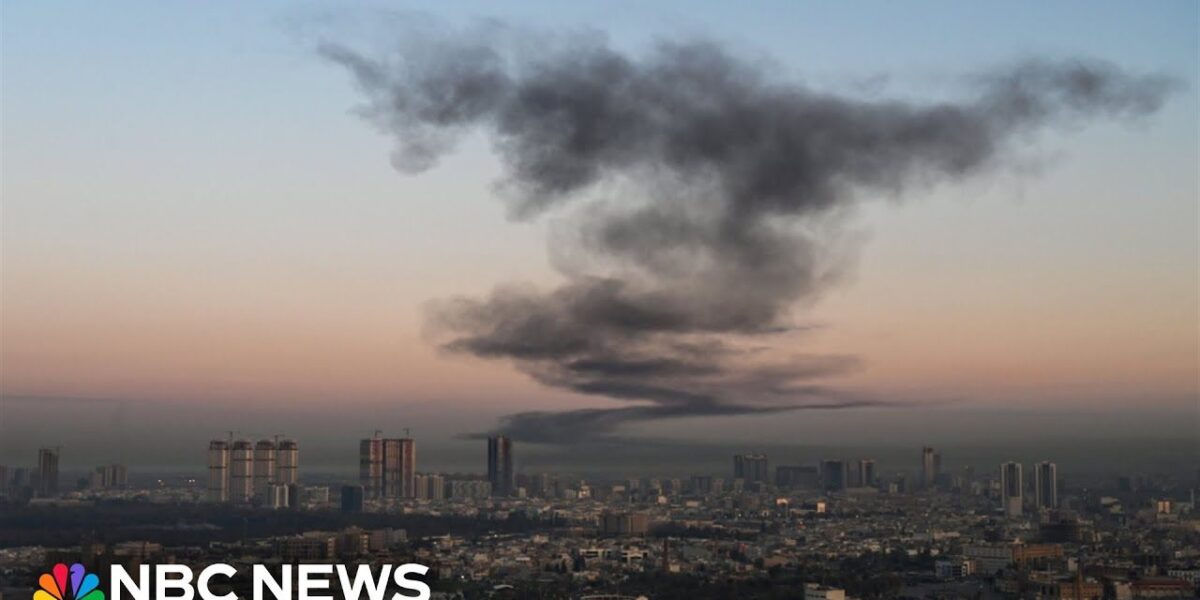
Middle East Erupts as Iran’s Supreme Leader and Top Generals Die in “Operation Epic Fury”
In a dramatic escalation of Middle Eastern tensions, Iran’s Supreme Leader, Ayatollah Khamenei, along with several high-ranking military officials, were killed overnight in a coordinated joint attack by the United States and Israel, dubbed “Operation Epic Fury.” The pre-dawn strikes, confirmed by Iranian state media, have sent shockwaves across the region and the globe, leaving Iran facing an uncertain future and prompting stern warnings from President Trump.
Devastating Blow to Iranian Leadership
Iranian state media has confirmed the death of 86-year-old Supreme Leader Ayatollah Khamenei, a figure President Trump has previously described as “one of the most evil people in history.” Khamenei’s daughter and grandchild were also reportedly killed in the strikes that destroyed the Ayatollah’s compound. The devastating assault did not end there. Major General Mohammad Pakpour, commander of the Islamic Revolutionary Guard Corps (IRGC), and Admiral Ali Shamkhani, the secretary of Iran’s Supreme National Security Council, were also confirmed dead. Images circulating show the destruction of the Ayatollah’s compound, a stark visual of the operation’s impact.
Iran Responds, Trump Issues Ultimates
Despite the crippling blow to its leadership, Iran has reportedly launched retaliatory strikes against U.S. bases and Israeli military installations. In a stark warning issued via Truth Social, President Trump declared, “Iran just stated that they are going to hit very hard today, harder than they have ever hit before. They better not do that, however, because if they do, we will hit them with a force that has never been seen before.” In a prerecorded announcement, President Trump explicitly endorsed regime change in Iran, urging its citizens to “rise up and take control of their government.” The capacity and command structure of Iran’s military following these losses remain unclear, raising questions about the extent of their remaining firepower and future direction.
Casualty Counts and U.S. Assurances
The human cost of the escalating conflict is mounting. Iranian state media and the Iranian Red Crescent report significant casualties within Iran, with over 200 killed and around 700 injured. The retaliatory attacks have also resulted in casualties outside Iran, with at least one person reported killed in Israel, one in Dubai, and four in Syria. Crucially, U.S. Central Command has reported no U.S. deaths or injuries. No U.S. Navy ships have been struck, and damage to U.S. installations in the region is described as minimal, with no impact on ongoing operations. This stands in contrast to the significant losses suffered by the Iranian regime.
Regional Instability and Global Implications
The “Operation Epic Fury” represents a significant and potentially destabilizing development in the already volatile Middle East. The elimination of Iran’s top leadership, including the Supreme Leader, could usher in a period of intense internal power struggles and unpredictable foreign policy shifts. The joint nature of the operation between the U.S. and Israel signals a strong alignment of strategic interests against Iran’s regional influence. The international community will be closely monitoring Iran’s response and the potential for further escalation, as well as the internal dynamics that will shape Iran’s future leadership.
A Glimmer of Hope for Iranian Diaspora
In the United States, the news has been met with a mixture of relief and celebration among Iranian-American communities. In Los Angeles, gatherings were held to mark the developments, with many expressing hope for a new era in Iran. The potential for regime change, as encouraged by President Trump, resonates with many who have long opposed the current Iranian government. However, the path forward remains fraught with uncertainty, both for Iran and for the broader geopolitical landscape.
Looking Ahead: The Unfolding Crisis
As the world watches, the immediate focus will be on Iran’s next moves and the emergence of new leadership within the country. The strategic implications of the U.S.-Israel joint operation, the effectiveness of Iran’s remaining military capabilities, and the potential for wider regional conflict are all critical factors to observe. The coming days and weeks will be crucial in determining the trajectory of this escalating crisis and its impact on global security.
Source: No U.S. casualties reported in Iran’s retaliatory strikes (YouTube)

Related Articles
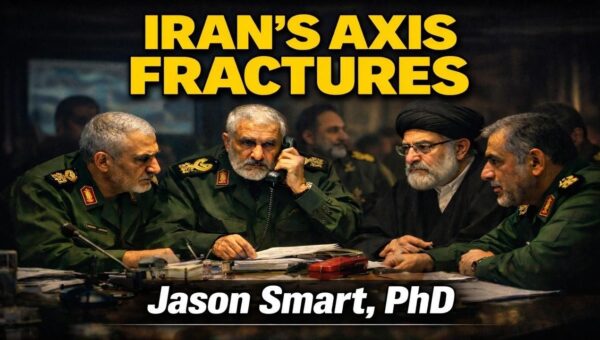
Iran’s Regime Under Siege: Attacks Cripple Leadership, Impact Russia
Iran's regime is reportedly facing critical blows from targeted attacks, crippling its leadership and severing a vital military supply line to Russia. This dual pressure is significantly impacting Russia's war efforts in Ukraine, while internal dissent grows within Iran.
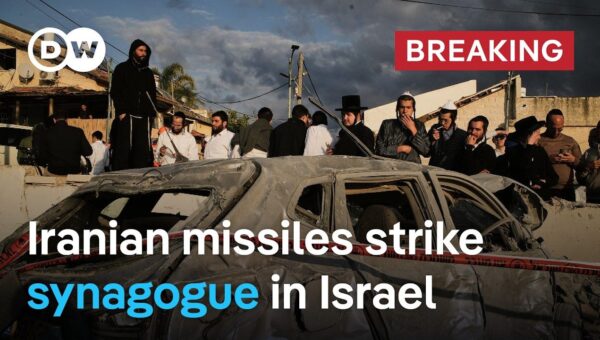
Iran Missile Strike Kills 9 in Israel, Netanyahu Vows Escalation
Nine people were killed and 28 wounded in a devastating Iranian missile strike on a synagogue in Beit Shemesh, Israel. Prime Minister Benjamin Netanyahu has vowed to intensify strikes on Tehran, as analysts discuss the escalating conflict and Iran's capacity for sustained resistance.

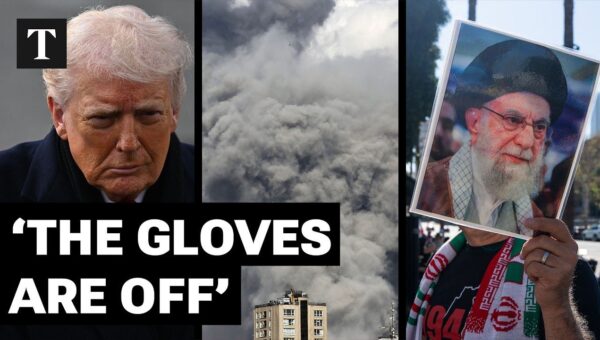
Iran Regime Change: Is It Further Off Than Expected?
Former diplomat Charlie Gammell suggests that the prospect of regime change in Iran may be further off than anticipated by the US and Israel. Despite strategic strikes and pressure, the Islamic Republic appears resilient and unified, with internal factors and the Iranian psyche playing a significant role in its endurance.