Iran’s Supreme Leader Dead After US-Israel Strikes
Iran's Supreme Leader is reportedly dead following coordinated U.S. and Israeli strikes, escalating regional tensions. Analysts question the long-term strategy behind the actions, drawing parallels to past interventions and expressing concern for the Iranian people.

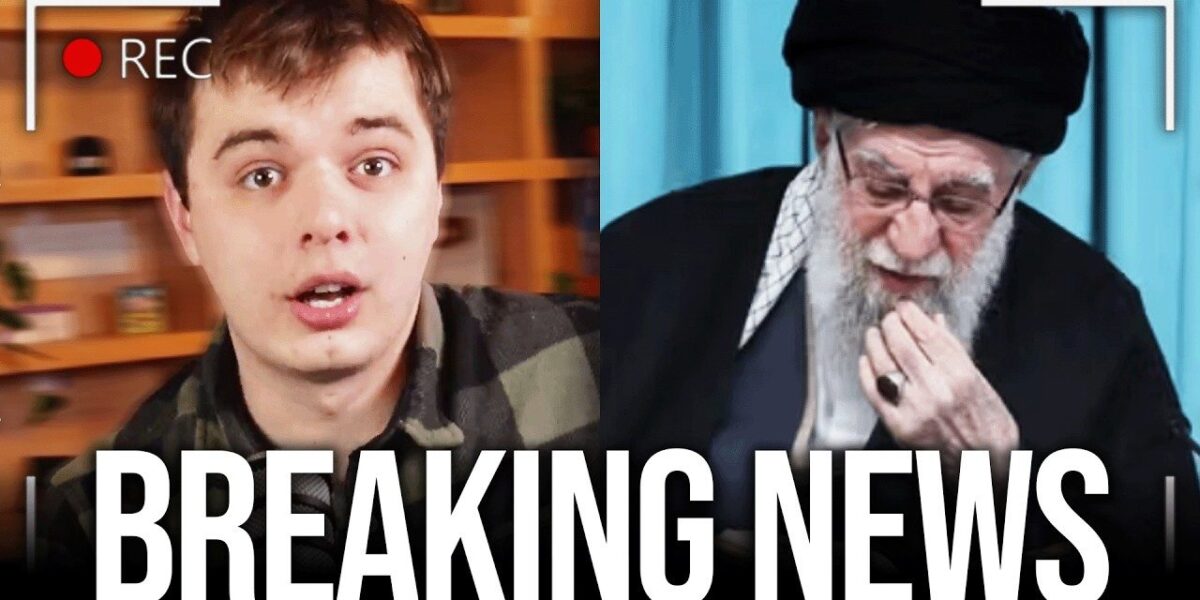
Iran’s Supreme Leader Reportedly Dead Following Coordinated Strikes
In a dramatic turn of events, reports have emerged stating that the Supreme Leader of Iran is dead, approximately 12 hours after the United States and Israel launched coordinated strikes against the nation. This development follows Iran’s retaliation against both U.S. and Israeli bases, escalating regional tensions into what is being described as a burgeoning conflict.
Personal Ties and Political Motivations
Micah Eran, lead policy adviser and an Iranian-American with deep personal ties to the region, provided analysis on the breaking news. Eran shared a harrowing account of his family’s experiences under the current Iranian regime, stating, “My family has been personally attacked by this regime. My grandfather was put in prison under Khamenei. My grandma, my aunt was beaten bloody during the month of Ramadan for sucking on a mint while pregnant.” His family has been blacklisted from Iran and has lived in fear for decades, with regime agents even issuing bomb threats at church events held abroad to intimidate Iranian expatriates.
Despite the personal animosity towards the regime, Eran expressed concern over the political exploitation of Iranian issues, particularly by the Republican party. “We hate the regime in Iran. But we also hate the Republican party using Iranians as a political tool and holding up this hope of regime change whenever that’s not their intention,” Eran stated. He questioned the timing and true motives behind the recent strikes, suggesting, “Right now, we just saw strikes on Iran. Khamenei is dead. This is all fantastic, but it’s clear that Trump does not actually care about the Iranian people.” Eran recalled a past instance where former President Trump encouraged Iranians to protest, promising support, but allegedly did nothing as thousands were killed, leading to a sentiment of betrayal among the Iranian diaspora.
Skepticism Over Regime Change Strategy
Eran drew parallels between the current situation and previous U.S. foreign policy actions, citing Venezuela and Libya as examples where interventions aimed at regime change ultimately failed to bring about lasting positive change for the populations.
“This is the exact same thing that happened in Venezuela. Trump talked about how big game about how he’s going to do regime change in Venezuela. Then he kidnapped Maduro and he said this was some sort of big victory, but ultimately nothing changed. Venezuela is still run by the exact same government that it was before.”
He emphasized that the death of a single leader, even a figure as reviled as Khamenei, does not dismantle the systemic issues within the Iranian government. “It’s not just Khamenei that’s made Iran a terrible place. It is every single person in leadership. They killed the leader of the IRGC previously. Now there’s a new leader of the IRGC. They killed the Supreme Leader. There’s going to be a new Supreme Leader. There is not an actual long-term strategy here to really change the government in Iran.”
Broader Implications and Geopolitical Concerns
The analysis highlighted a perceived lack of a comprehensive, long-term strategy from the Trump administration regarding Iran. Eran posited that the administration’s actions are more about reducing the regime’s power to protect Israeli and American interests rather than genuine liberation of the Iranian people. The rhetoric, he argued, is used to generate enthusiasm without a true commitment to the complex and potentially devastating task of liberating a nation of 90 million people.
The potential for a U.S. invasion was discussed, with Eran warning of catastrophic consequences. “If they want to invade Iran, it’s going to be bloody. Hundreds of thousands of people are going to die. The regime will fall very fast. But the big issue is the occupation. You can’t just coup the government of 90 million people, overthrow it, and then not occupy the country.” He compared it to the post-invasion scenarios in Iraq and Afghanistan, predicting an even more devastating outcome given Iran’s size and potential for internal resistance.
Concerns were also raised about the shifting foreign policy narrative within certain political factions. The transition from an “America First” isolationist stance to interventionist policies in the Middle East was noted, with critics suggesting a return to neoconservative doctrines despite past rhetoric. The involvement of Israel in pushing for such actions was also brought into focus, with a quote attributed to Congresswoman Sarah Jacobs suggesting that “Donald Trump was the only one stupid enough to actually do it” when previous presidents resisted Israeli calls for military action against Iran.
Future Uncertainty
The death of the Supreme Leader, coupled with ongoing military actions, plunges Iran into a period of profound uncertainty. The immediate aftermath is likely to involve a power struggle within Iran to select a successor, while the international community watches closely for signs of further escalation or de-escalation. The long-term implications for regional stability, the future of the Iranian people, and the foreign policy direction of the United States remain highly contingent on the decisions made in the coming days and weeks.
Source: BREAKING: HE'S DEAD (YouTube)

Related Articles
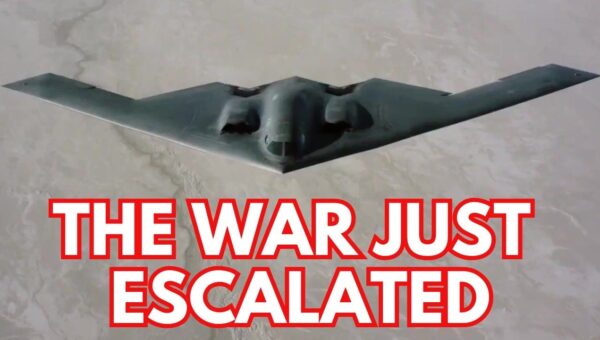
Iran War Escalates: US Suffers First Casualties
The conflict involving Iran has dramatically escalated with the first confirmed U.S. service member fatalities. As 13 nations become involved, U.S. and Israeli forces intensify operations against Iranian missile sites and command centers. The rising casualties and regional instability raise questions about future U.S. involvement.

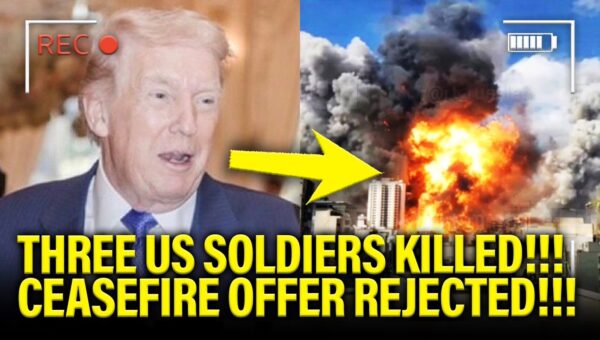
Iran Rejects Trump Ceasefire Offer Amid Escalating Regional Conflict
Iran has rejected a ceasefire offer from the Trump administration, escalating regional tensions and leading to U.S. casualties. The conflict, dubbed 'Operation Epic Fury,' has seen Iranian retaliatory strikes across the Middle East and disruption in the Strait of Hormuz.
Oil Prices Surge Amid Iran Tensions: Gas Costs to Rise?
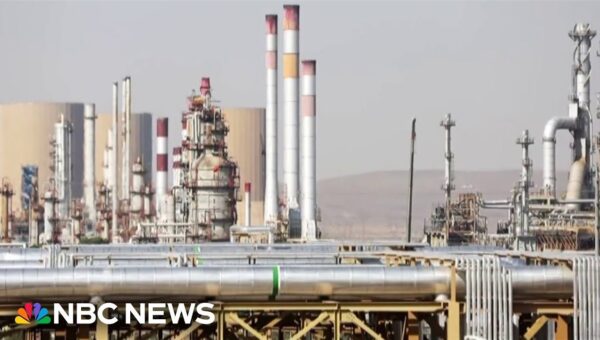
Escalating tensions involving Iran are poised to significantly impact global oil prices, with analysts predicting a potential $15-$20 per barrel spike. This could lead to a substantial increase in gasoline prices for consumers, exacerbated by disruptions to the crucial Strait of Hormuz shipping route. The broader economic implications include pressure on global supply chains and potential impacts on economic growth.