Iran’s Supreme Leader Ayatollah Khamenei Dead at 85
Ayatollah Ali Khamenei, Iran's supreme leader for nearly 37 years, has died at the age of 85, as confirmed by Iranian state television. His death marks a significant turning point, initiating the process for selecting a successor and potentially reshaping Iran's domestic and foreign policies.

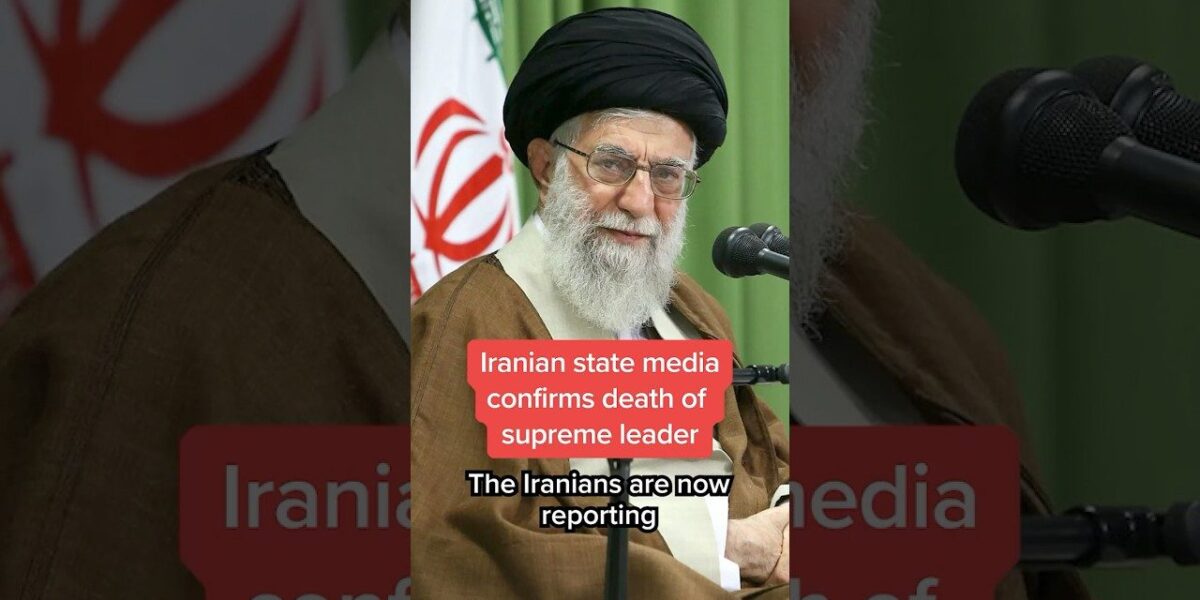
Iran’s Supreme Leader Ayatollah Khamenei Dies at 85
Ayatollah Ali Khamenei, the supreme leader of Iran for nearly four decades and a pivotal figure in the Islamic Republic’s political landscape, has died. Iranian state television confirmed the news early Sunday morning, Iran Standard Time. Khamenei was 85 years old.
A Pillar of the Islamic Republic
Khamenei held the position of supreme leader for approximately 37 years, making him only the second individual to occupy the role since the Iranian Revolution of 1979. His tenure was marked by a near-absolute grip on power, characterized by stringent control over the nation and the systematic suppression of dissent and opposition. Throughout his leadership, Khamenei consistently expressed profound animosity towards the United States and Israel, shaping Iran’s foreign policy and regional stance.
Succession and Future Implications
The death of Ayatollah Khamenei marks a significant turning point for Iran and the wider Middle East. As the ultimate authority in the country, his passing triggers a critical process for selecting a successor. The Assembly of Experts, a body of 88 clerics, is responsible for appointing the next supreme leader. This transition will be closely watched by international observers, given Iran’s complex geopolitical role and its ongoing nuclear program. The choice of Khamenei’s successor could have profound implications for Iran’s domestic policies, its relations with the international community, and the stability of the region.
Legacy of Repression and Regional Tensions
During Khamenei’s decades-long leadership, Iran experienced significant internal repression. Human rights organizations have consistently documented the systematic silencing of critics, journalists, and political opponents. His foreign policy was defined by unwavering opposition to Western influence, particularly from the U.S., and strong support for regional proxy groups. This stance contributed to heightened tensions in the Middle East, including Iran’s nuclear ambitions and its involvement in conflicts across the region.
Looking Ahead
The immediate focus will be on the selection process for a new supreme leader. The internal dynamics of the ruling establishment, the influence of various clerical factions, and the potential for public reaction will all play crucial roles. The international community will be observing closely to gauge any shifts in Iran’s foreign policy, its approach to nuclear negotiations, and its engagement with regional adversaries. The coming weeks and months will be critical in determining the future direction of the Islamic Republic under its new leadership.
Source: Iranian state media confirms death of supreme leader (YouTube)

Related Articles


Trump: Iran Strikes Ahead of Schedule, Expects ‘Great Deal for World’
Three U.S. service members have been killed amid escalating conflict with Iran, President Trump confirmed. He stated that strikes are ahead of schedule, with senior Iranian leaders killed, and expressed optimism for a "great deal for the world" despite ongoing talks with Iranian officials.
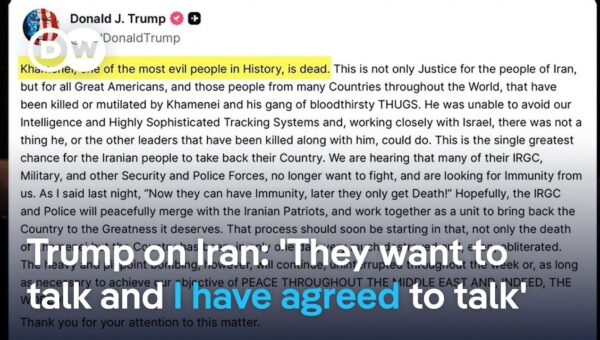
Trump Agrees to Talks with Iran After Major Strikes
President Donald Trump has agreed to talks with Iran's leadership following coordinated strikes that reportedly killed key figures, including the Supreme Leader. While Trump claims significant military successes, U.S. strategy remains unclear, and public opinion shows limited support for the actions amid rising American casualties.

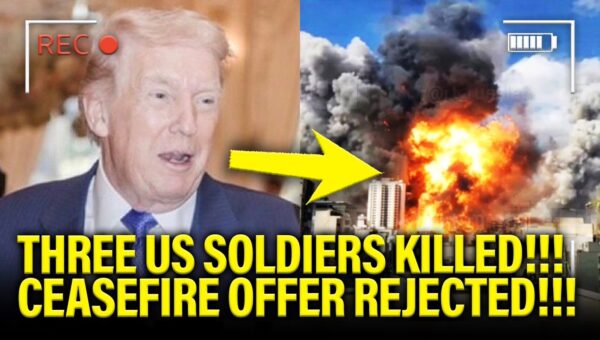
Iran Rejects Trump Ceasefire Offer Amid Escalating Regional Conflict
Iran has rejected a ceasefire offer from the Trump administration, escalating regional tensions and leading to U.S. casualties. The conflict, dubbed 'Operation Epic Fury,' has seen Iranian retaliatory strikes across the Middle East and disruption in the Strait of Hormuz.