Iran’s Strait Promises Tested as Oil Prices Dip
Oil prices dipped as the Strait of Hormuz reopened, but skepticism remains over Iran's sincerity in de-escalating tensions. Ambassador Nathan Sales highlighted Iran's history of using diplomacy to stall and questioned the realism of their demands. The U.S. has several strategic options to pressure Iran if commitments are not met.

Iran’s Strait Promises Tested as Oil Prices Dip
Oil prices saw a slight dip as the Strait of Hormuz, a critical global shipping route, reopened. This development comes amid ongoing discussions about Iran’s commitment to de-escalating tensions in the region. The market is watching closely to see if Iran’s actions match its words.
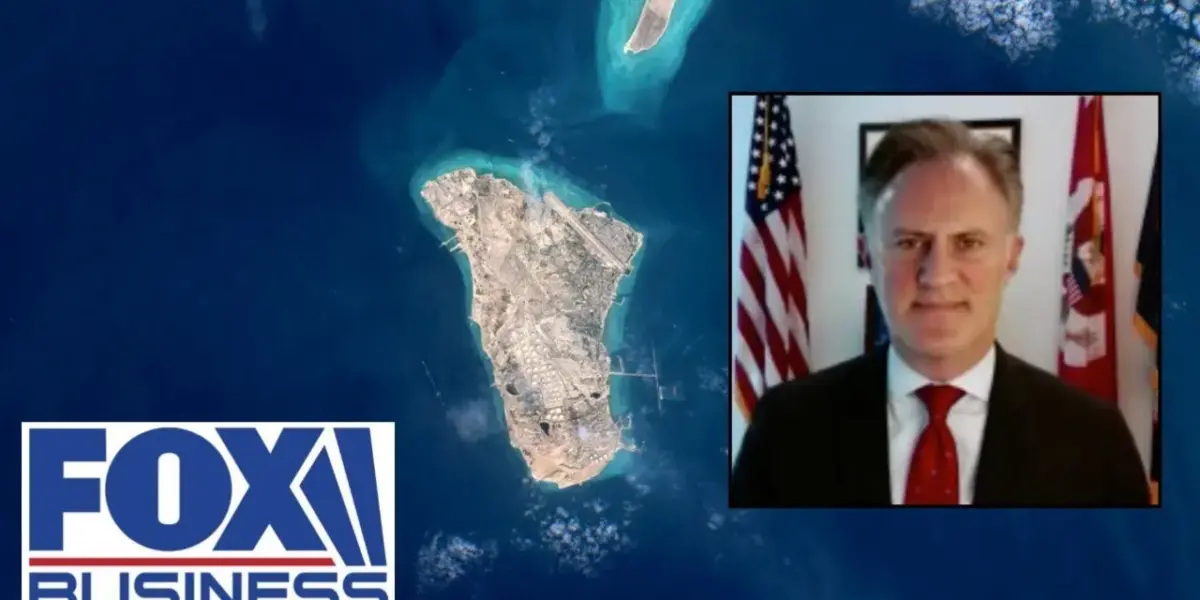
Ambassador Nathan Sales, former Counterterrorism Coordinator at the Trump State Department, expressed skepticism about Iran’s sincerity in negotiations. He noted that Iran has a history of using diplomacy as a tactic to stall for time and shield its nuclear program. This pattern, he suggested, has been used for decades to outwait different U.S. administrations.
Recently, Iran presented a 10-point plan outlining its conditions for ending conflict and reopening the Strait. However, Ambassador Sales described this plan as unrealistic. He pointed out that demands for U.S. reparations or a complete withdrawal of American forces from the Middle East are non-starters. Similarly, allowing Iran to tax oil shipments is not a feasible condition for the U.S.
Market Questions Remain
The key question for the market is whether the current rally in oil prices can be sustained. This depends heavily on the underlying conditions and Iran’s actual behavior. Upcoming negotiations in Islamabad are crucial. Ambassador Sales warned that if past behavior is any guide, Iran is unlikely to negotiate in good faith.
“The jury is still out on how serious Iran is about negotiating.”
White House Press Secretary Leavitt also addressed the situation, stating that public statements from Iran differ from private assurances. He confirmed an increase in ship traffic through the Strait of Hormuz. The President, he added, expects the Strait to be reopened immediately, quickly, and safely. These expectations have been relayed privately to Iran.
Lebanon, however, is not part of the current ceasefire agreement. This has been clearly communicated to all involved parties. The conflicting reports highlight the complex geopolitical situation surrounding Iran’s actions and their impact on global energy markets.
Strategic Options for the U.S.
Ambassador Sales outlined several strategic options available to the White House regarding Iran’s actions. He referenced the effectiveness of a 38-day bombing campaign that disabled many Iranian assets. This campaign, he suggested, could be resumed if Iran fails to uphold its commitments.
Regarding Kharg Island, the primary terminal for 90% of Iran’s energy exports, Ambassador Sales explained its strategic importance. Controlling Kharg Island would allow the U.S. to exert significant economic pressure on Iran. He emphasized that direct military action to seize the island might not be immediately necessary.
Other options to apply pressure include a naval blockade or planting mines around the island. These measures could prevent Iranian shipments without the higher risks associated with sending troops. These lower-cost, less risky alternatives could be employed if needed.
The President’s team is reportedly considering multiple courses of action. The final decision will depend on Iran’s future conduct and the evolving geopolitical landscape. The market will be closely monitoring these decisions and their impact on oil supply and prices.
Market Impact
The reopening of the Strait of Hormuz is a positive development for global oil supply. However, the underlying uncertainty surrounding Iran’s intentions creates volatility. Investors should be aware that any perceived backtracking by Iran could quickly lead to renewed price increases.
The strategic options available to the U.S. provide a potential buffer against Iranian aggression. The threat of economic sanctions or blockades, particularly targeting Kharg Island, serves as a deterrent. This suggests that while tensions exist, there are mechanisms to manage supply disruptions.
The ongoing diplomatic talks in Islamabad are critical. A successful resolution could lead to more stable energy prices. Conversely, a breakdown in talks could signal a return to heightened conflict and further market uncertainty. Investors should stay informed about the progress of these negotiations.
Source: 'The jury is still out’ on Iran’s sincerity, former counterterrorism official says (YouTube)

Related Articles


Ukraine Aid Cuts Cost Americans More Than Support
Cutting support for Ukraine has cost Americans more in increased energy prices than the aid itself would have, a new analysis suggests. The decision has also damaged global trust, with far-reaching implications.


US, Iran Hold High-Stakes Peace Talks Amid Tensions
Vice President J.D. Vance led U.S. negotiations with Iran in Pakistan, seeking to de-escalate tensions amid ceasefire violations and threats of military action. The talks face significant hurdles, including Iran's demands for a Lebanon ceasefire and asset release, and the critical closure of the Strait of Hormuz. The conflict's economic impact is evident in rising inflation and falling consumer confidence.
Trump’s Iran War Sparks Global Economic Crisis, Fuel Shortages
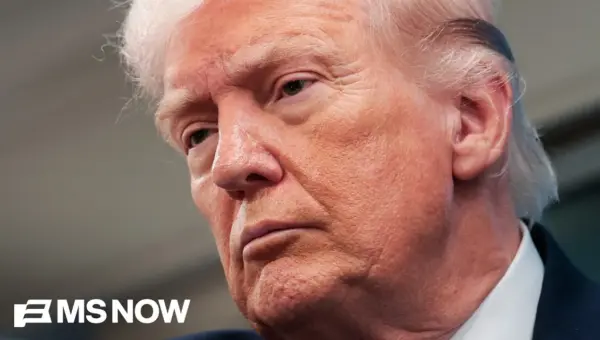
Donald Trump's war with Iran has triggered a global economic crisis, marked by surging inflation, gas price hikes, and potential jet fuel shortages. Iran's control over the vital Strait of Hormuz has become a key economic and geopolitical advantage, complicating U.S. objectives and impacting international stability.