Iran’s Strait of Hormuz Trap: How the US Fights Back
Iran's strategy to control the Strait of Hormuz involves using islands as bases for anti-ship missiles and launching swarm attacks with small boats. The US counters with advanced defense systems, surveillance drones, and powerful bunker-buster bombs, highlighting the ongoing tension in this vital global shipping lane.

Iran’s Strait of Hormuz Trap: How the US Fights Back
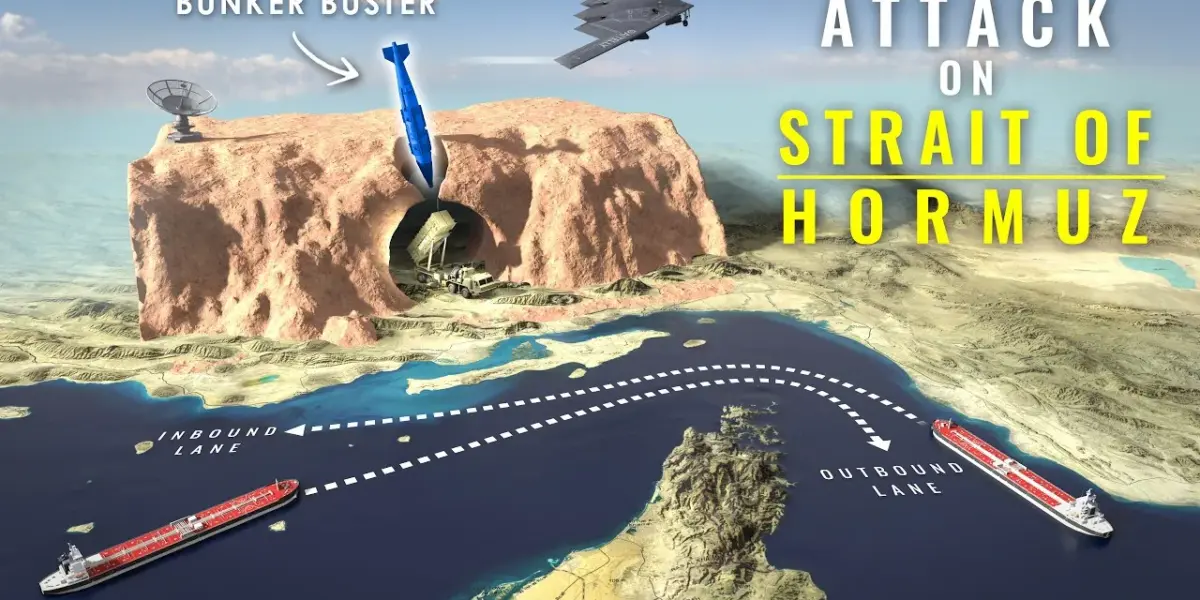
The Strait of Hormuz is a very narrow waterway. Iran has a plan to control this important passage. Their goal is to choke off this vital shipping route. It’s a major bottleneck where huge oil tankers must squeeze through just two small lanes. One lane is for ships going in, and the other is for ships coming out. Iran controls three main islands right along these lanes. These islands hide a secret network of underground bunkers filled with anti-ship missiles.
Why is it so hard for the US to keep the strait open?
Iran’s military, the IRGC, doesn’t use big ships. Instead, they use small boats that launch in surprise attacks from all directions. Their main tactic is to attack the bridges of larger ships. This makes it very difficult for the US to secure the area. The US military would have to find and destroy every single underground bunker on these islands. This would require using massive, powerful bunker-buster bombs, weighing 5,000 pounds each.
Consider the map of the Middle East. This is how Iran manages to block about 20% of the world’s oil shipments. What’s surprising is that major countries like the UAE, Qatar, Bahrain, Saudi Arabia, Iraq, and even Iran itself all depend on this single, narrow passage for their oil. The strait is only about 21 nautical miles wide at its narrowest point. The northern coast belongs to Iran and is very mountainous. This offers natural cover and deep, protected places for their missile launchers.
Iran also controls islands like Keshum, Larak, and Abu Musa. Think of these islands not just as land, but as heavily armed, stationary anti-missile defense systems parked right next to the shipping lanes. The shipping lanes themselves are extremely tight. Because the water is shallow and full of reefs, large oil tankers must follow strict rules. There’s one lane for inbound ships, one for outbound ships, and a small buffer zone between them. If these ships are attacked, they have almost no space to move.
Iran’s Tactics: Controlling the Strait
So, how does Iran use tactics and strategy to control this narrow corridor? To block the Strait of Hormuz, you must control the islands. The IRGC uses a three-part system of protected bases, each with a specific and dangerous job.
1. Larak Island: The Choke Point Enforcer
Larak Island is located right at the narrowest part of the strait, overlooking the international shipping lanes. Its strategy is about close-range intimidation. Because it’s so close to the shipping route, fast attack boats from Larak can reach a passing cargo ship in just a few minutes. Ship crews have very little time to react. Larak enforces strict no-go zones. Drones are used to watch oil tankers, while speedboats physically surround them. If a ship’s captain tries to start the engines, the boats might open fire.
2. Keshim Island: The Heavy Arsenal
If Larak is like a knife at the throat, Keshim is the heavy hammer. It’s the largest island in the Persian Gulf and serves as the main military center for the IRGC. Its rocky, mountainous terrain hides a maze of underground bunkers and mobile anti-ship missile launchers. Keshim is designed to launch powerful anti-ship missiles. It also has drone bases and radar systems, making it the key part of Iran’s coastal defense.
3. Abu Musa Island: The Forward Outpost
Abu Musa is located further south, close to rival Arab countries. It acts as a heavily protected early warning center. This extends Iran’s defensive zone deep into the Gulf. Radars here can track enemy warships and cargo ships long before they reach the main choke point. It’s a launchpad that significantly increases the area where Iran can pose a threat.
How Iran Attacks Ships
When Iran attacks a cargo ship, they use two main methods.
Swarm Attacks with Small Boats
First, they launch fast attack boats. The IRGC sends out groups of small, radar-evading speedboats that can go very fast. Ten to twenty of these boats will surround a single cargo ship from all sides. They get very close and target weak spots with machine guns and small missiles. They aim for the ship’s bridge to blind it and the engine room to stop it.
Hidden among these boats are explosive drone boats. These are remote-controlled boats packed with explosives that are steered directly into the ship to create a large hole. While the crew is distracted, other boats quickly drop naval mines into the ship’s path. These mines are designed to stop the ship or damage it severely.
Anti-Ship Missiles
If a swarm attack doesn’t work, anti-ship missiles are used. These missiles are fired from trucks that can quickly move into protected caves. Coastal defense missiles, like the P-15 Hermit, have a deadly trick. They are fired from mobile launchers that can hide easily.
How the US and Allies Defend the Strait
The West is not without defenses. When allied warships enter the strait to escort cargo ships, they create a high-tech protective shield. Here’s how they counter Iran’s tactics.
Countering Mines
Navies use special ships and underwater drones to find and destroy mines. They use sonar and helicopters to scan the water ahead of the convoy. Mines are detonated before the cargo ships get close.
Countering Anti-Ship Missiles
To counter anti-ship missiles, allied destroyers use advanced computer systems. The moment an Iranian missile is launched, powerful radars track it. Then, interceptor missiles are fired to destroy the incoming threat in the air. Meanwhile, helicopters can shoot down swarm boats from above using missiles.
Offense is the Best Defense
However, the most effective countermeasure is not just defense, but offense. The US and its allies keep a constant watch on Iran’s coastline using surveillance drones. If they see mobile missile launchers moving or boats loading mines, allied fighter jets and missiles are used to destroy them before they can even fire.
To deal with the threat of Iranian anti-ship missiles hidden in underground bunkers, US forces use 5,000-pound bombs. These powerful weapons can penetrate deep into the earth or concrete. Once they break through, they cause a massive explosion that destroys the underground structure.
Close-In Weapon Systems
For closer threats, ships use rapid-fire gun systems. These systems have radar to detect incoming drones or small boats. They can fire thousands of rounds per minute to destroy anything that gets too close. If these systems aren’t enough against small targets, another system called CRAM is used. It combines radar and other sensors with a missile launcher that can fire multiple times automatically.
These missiles, like the RIM-116, are designed to hit smaller, faster targets, including missiles that fly low over the water. The CRAM system can destroy threats within a six-mile radius with high accuracy.
Historical Context of Iran’s Missiles
Iran’s anti-ship missiles have a history that traces back to the Cold War. Many of them are based on older Soviet designs. For example, the P-15 missile, originally designed as a surface-to-air missile, has been modified into a deadly anti-ship weapon. These missiles can be launched from mobile trucks and can travel at high speeds, posing a significant threat to large ships.
Iran has also adapted other missile types, like the SA-2 Guideline, into anti-ship weapons. These modified missiles can be launched from a considerable distance and are designed to damage or disable even large warships. Attacks on shipping and naval vessels in the region, even if intercepted, create fear and disrupt trade.
When facing larger targets like warships, Iran might launch multiple drones first to overwhelm defenses. Then, they would follow up with older anti-ship missiles. Finally, they might launch faster, modified surface-to-air missiles to try and inflict serious damage. Fortunately, the US Navy’s advanced defense systems are designed to detect and destroy these multiple threats.
Why This Matters
The Strait of Hormuz is more than just a waterway; it’s a critical artery for global energy. The ability of Iran to threaten this passage, and the ability of the US and its allies to counter that threat, has huge implications. It affects global oil prices, international trade, and regional stability. The constant cat-and-mouse game between Iran’s missile sites and the US’s advanced defense systems highlights the ongoing tension in the region.
Trends and Future Outlook
The tactics used in the Strait of Hormuz show a trend towards asymmetric warfare. Iran uses smaller, cheaper, and more mobile weapons like drones and fast boats to challenge larger, more expensive naval forces. The US and its allies are responding with advanced technology, including drones for surveillance, sophisticated missile defense systems, and powerful bunker-busting bombs. The future likely involves a continued arms race in this vital waterway, with both sides seeking technological advantages to control or counter control the Strait of Hormuz.
Source: How the US is Breaking the Strait of Hormuz Blockade? (YouTube)

Related Articles
A-10 Warthog Defies Retirement in Hormuz Strait
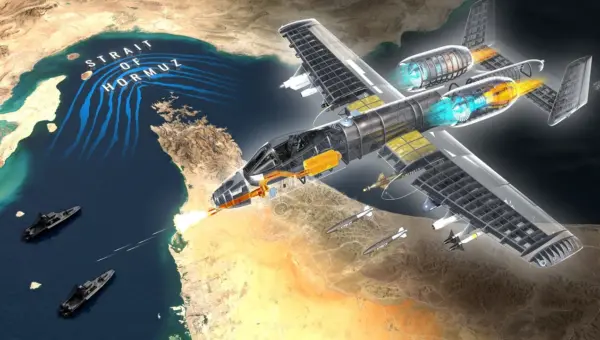
The U.S. Air Force's plan to retire the A-10 Thunderbolt faces a challenge in the Strait of Hormuz. Its unique design, built for low-and-slow flight and extreme durability, makes it essential for countering small boats and drones in the narrow waterway. The Warthog's ruggedness and specialized firepower prove its continued value.


US Aims to Cripple Iran’s Power Grid to Secure Strait of Hormuz
A new US strategy reportedly targets Iran's power grid, including major plants like Damavand, to force open the Strait of Hormuz. The plan involves multi-stage air attacks using advanced bombers and precision munitions to cripple energy infrastructure and cause cascading failures.

Iran’s Cluster Bombs: A Calculated Gamble to Overwhelm Defenses
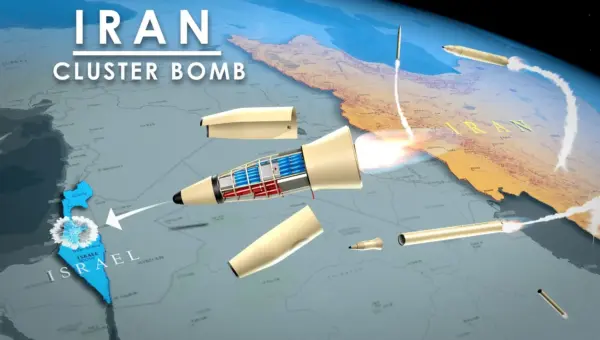
Iran's use of cluster bombs against Israel was a deliberate tactic to overwhelm advanced missile defenses. These weapons scatter numerous smaller explosives, making interception difficult. While tactically advantageous, they raise serious humanitarian concerns due to their indiscriminate nature and unexploded ordnance.