Iran’s Strait of Hormuz Threat: An Economic Extortion Tool?
Iran is using the Strait of Hormuz as an 'economic extortion tool,' according to former Pentagon official Brent Sadler. Despite threats to global oil shipping, recent market reactions show some optimism for diplomatic progress.

Iran’s Strait of Hormuz Threat: An Economic Extortion Tool?
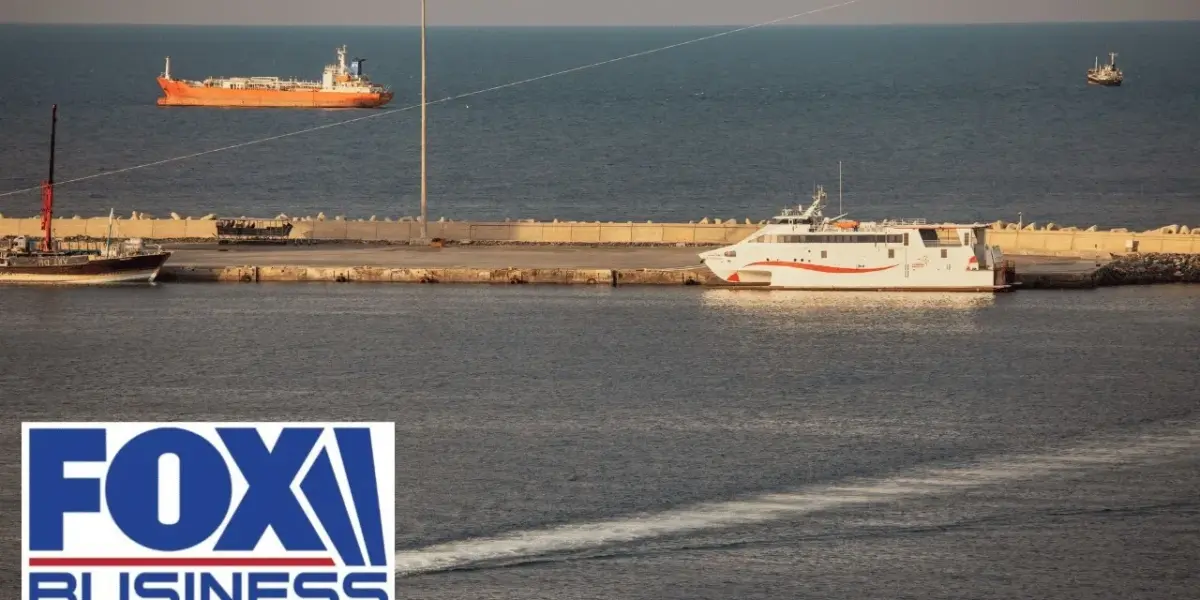
The Strait of Hormuz, a critical waterway for global oil transport, has once again become a focal point of geopolitical tension. Recent actions by Iran suggest a strategy of using this vital chokepoint as a form of economic leverage, a move that retired Navy Captain Brent Sadler describes as an “economic extortion tool.” This tactic, aimed at influencing negotiations and potentially extracting concessions, carries significant implications for international energy markets and global shipping.
Iran’s Negotiating Stance Questioned
According to former Pentagon official Brent Sadler, Iran’s approach to recent ceasefire negotiations appears to be less about genuine de-escalation and more about seeking further concessions from the United States. Sadler suggests that Iran may be misjudging its own negotiating position, which he believes is weakened. He points to the fact that the U.S. military has used a recent pause in hostilities to rearm, refuel, and resupply. This preparation indicates a readiness to increase military tempo significantly if negotiations fail.
The Strait of Hormuz: A Key Global Chokepoint
The Strait of Hormuz is a narrow waterway between the Persian Gulf and the Gulf of Oman. It is incredibly important because a large portion of the world’s oil and energy supplies pass through it daily. While the United States is not the primary recipient of this oil, many of its treaty allies, particularly in Northeast Asia, rely heavily on these shipments. Disruptions here can quickly lead to higher energy prices worldwide.
Iran’s Diminished Military Capacity
Sadler notes that following weeks of bombing and attacks against Iran’s air force, the country’s naval capacity has been significantly degraded. He states that there is not much left in terms of Iranian capability to launch substantial attacks on shipping. This assessment suggests that Iran’s threat to disrupt shipping through the Strait of Hormuz may be nearing its limit. The U.S. may soon need to challenge this threat directly.
Calling Iran’s Bluff
The U.S. military may be approaching a point where it must call Iran’s bluff. Sadler suggests a measured approach to pushing through the Strait of Hormuz. He believes this action would be the last significant leverage the Iranian regime possesses. Once this leverage is tested and overcome, Sadler anticipates a dramatic shift in the negotiating position. He also expects shipping to pick up pace more quickly thereafter.
Market Reaction: Oil Prices Fall Amidst Negotiation Hopes
Interestingly, despite the heightened rhetoric surrounding the Strait of Hormuz, oil prices saw a decline during the week. Brent crude, while still trading near $200 a barrel, fell. Simultaneously, stock markets experienced gains. This market behavior suggests that investors are holding onto some hope that diplomatic progress might be made. The falling oil prices indicate that traders are not yet pricing in a major, sustained disruption to oil supplies from the region.
What Investors Should Know
The situation in the Strait of Hormuz presents a complex risk for investors, particularly those exposed to energy markets. Iran’s ability to disrupt global oil flow remains a significant factor influencing crude prices. While recent military actions may have weakened Iran’s direct capacity to attack shipping, its willingness to use the Strait as a bargaining chip persists. Investors should monitor geopolitical developments in the region closely. Any escalation or perceived threat to shipping could lead to increased volatility in oil prices and related equity markets.
Long-Term Implications
The ongoing tensions highlight the strategic importance of the Strait of Hormuz. The U.S. and its allies are likely to continue efforts to ensure freedom of navigation. Iran’s continued use of threats, however, underscores the persistent instability in the region. For the long term, this situation emphasizes the need for diversified energy sources and alternative shipping routes to mitigate risks associated with chokepoints like Hormuz. The effectiveness of economic sanctions and diplomatic pressure versus military posturing will continue to be a key theme.
Source: ‘ECONOMIC EXTORTION TOOL’: Sadler rips Iran’s Hormuz leverage (YouTube)

Related Articles
Trump Warns Iran: Stop Fees in Strait of Hormuz Now!
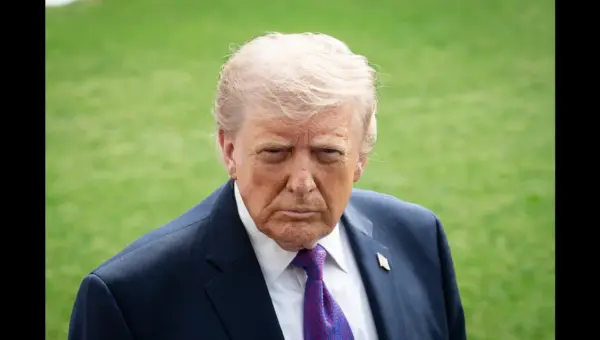
President Trump has issued a stern warning to Iran, demanding an immediate halt to alleged fees imposed on ships passing through the critical Strait of Hormuz. Amidst slowing traffic and ongoing diplomatic talks, the focus remains on ensuring global energy security and regional stability.


Iran Tensions Send Oil Soaring, Stocks Mixed
Oil prices have surged amid escalating tensions around the Strait of Hormuz, a vital shipping route for global oil. Meanwhile, stock markets displayed mixed reactions, influenced by inflation data and geopolitical uncertainty. The situation underscores the close link between global events and energy security.


Trump Admits No Backup Plan for Strait Crisis
A recent admission revealed a lack of a backup plan for the critical Strait of Hormuz crisis. This mirrors past predictions that failed to materialize, raising concerns about preparedness in managing international volatility.