Iran’s Strait of Hormuz Gambit Shifts Global Power Dynamics
Iran's actions concerning the Strait of Hormuz have created a complex geopolitical situation, involving key players like the U.S., China, and Pakistan. The ability to control this vital oil route gives Iran significant leverage, impacting global energy markets and international relations.

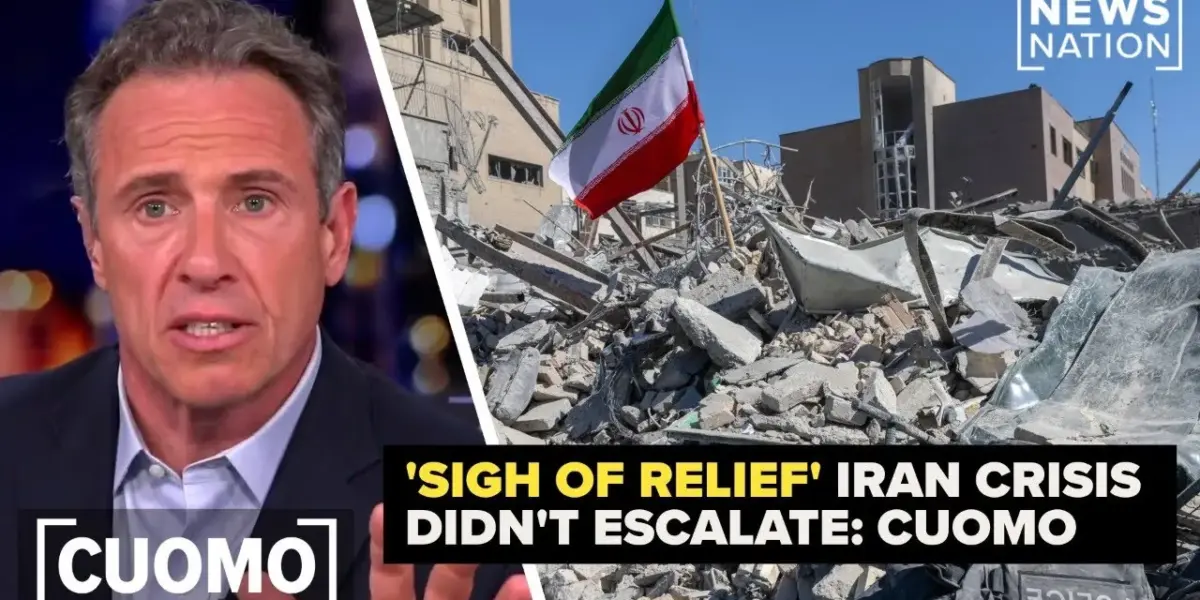
Iran Uses Strait of Hormuz Leverage Amid Shifting Alliances
Iran’s actions regarding the Strait of Hormuz have created a significant moment in global politics. Holding this vital waterway hostage gave Iran a strong hand it may not see again. This situation highlights how international players use strategic positioning to gain advantages. The recent suspension of certain actions, framed by some as a response to an ultimatum, shows the complex web of interests at play.
Key Players and Their Motivations
The Trump administration, described as a regime of ‘liars and sneaks,’ saw this as an opportunity to exert pressure. For Iran, the ability to control or threaten passage through the Strait of Hormuz is a powerful tool. It allows them to disrupt global oil supplies and gain leverage in international negotiations. The potential loss of this leverage makes any decision about its use very difficult for them.
The situation involves several other countries with their own reasons for getting involved. Pakistan, a nation with a complicated relationship with both the United States and Iran, stepped in to broker a deal. While not a consistent friend to Israel, Pakistan maintains ongoing ties with Iran. This makes them a useful intermediary, though their position is somewhat mixed.
China also plays a crucial role. The transcript mentions China’s desperate need for oil. This dependence gives China a strong incentive to help stabilize the situation and ensure oil flows. Iran understands these interests, knowing it has countries like China and Pakistan on its side due to shared needs.
The Triangulate Deal and Its Uncertainties
A ‘triangulate deal’ is mentioned, seemingly a response to a presidential ultimatum. Details about this deal and its effectiveness remain unclear. The key question is what this two-week ceasefire actually achieves. What will be done during this period? These are significant unanswered questions.
Before recent events, the Strait of Hormuz was open, and there was a degree of stability. This stability has now been disrupted. The current situation, however uncertain, has led to a call for a ‘collective sigh of relief.’ This suggests a widespread feeling that a worse outcome was avoided, at least for now.
Global Impact: Why This Reshapes the World Order
The Strait of Hormuz is one of the world’s most critical oil transit points. About 30% of the world’s seaborne oil trade passes through it daily. Any disruption here can cause major spikes in oil prices globally. This affects economies far beyond the immediate region, impacting everything from gasoline prices for consumers to the cost of manufacturing goods.
Iran’s ability to threaten this chokepoint gives it significant geopolitical power. It allows them to bargain from a position of strength, especially when dealing with global powers like the United States and its allies, such as Israel. The involvement of China and Pakistan shows how regional and global powers are interconnected through energy needs and strategic partnerships.
Historical Context: A History of Strait Control
Control over vital waterways has always been a source of international tension and conflict. The Strait of Hormuz has been a focal point for decades, especially since the Iran-Iraq War in the 1980s. During that conflict, both sides attacked ships in the Gulf, and the U.S. Navy increased its presence to protect shipping. Iran’s current actions echo these past challenges, using its geographic advantage to influence international affairs.
Economic Leverage: Oil, Sanctions, and Dependencies
The transcript highlights China’s urgent need for oil. This dependency is a form of economic leverage that Iran can exploit. Conversely, Iran itself is subject to international sanctions, which aim to pressure its government to change its behavior. The effectiveness of these sanctions is often debated, as countries find ways to circumvent them or develop alternative economic ties.
The flow of oil through the Strait is directly tied to global economic stability. Any threat to this flow can lead to economic instability worldwide. This makes the Strait of Hormuz a critical economic battleground, where actions by one country can have far-reaching consequences for many others.
Regional Alliances and Shifting Balances
The situation involves complex relationships. Pakistan’s role as a broker shows its attempt to balance its interests between Iran and the West. China’s involvement underscores its growing economic and strategic influence, particularly its reliance on Middle Eastern oil. The United States and Israel are aligned against what they see as destabilizing Iranian actions.
These shifting alliances and rivalries create a dynamic and often unpredictable geopolitical environment. The actions taken by Iran, and the responses from other global and regional powers, are constantly reshaping the balance of power in the Middle East and beyond.
Future Scenarios
Several outcomes are possible. The two-week ceasefire could lead to more sustained diplomatic talks, easing tensions. Alternatively, it could be a temporary pause, allowing Iran to regroup and potentially use its leverage again later. A failure to reach a lasting agreement could lead to renewed confrontation, with serious consequences for global energy markets and regional stability.
The current situation is fluid. The effectiveness of the brokered deal and the willingness of all parties to de-escalate will determine the path forward. The underlying issues driving the conflict, including Iran’s nuclear program and regional influence, remain unresolved.
Source: Americans should breathe sigh of relief amid strike suspension: Cuomo | CUOMO (YouTube)

Related Articles

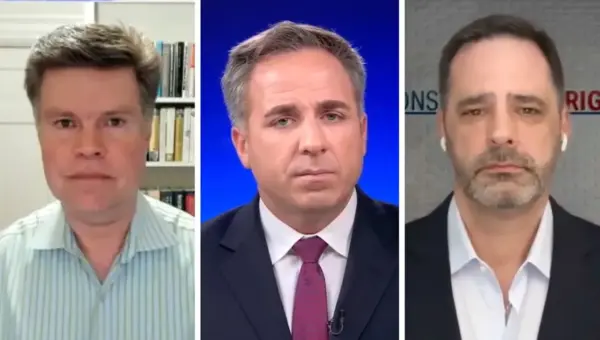
Trump’s Iran Deal: Bold Tactics Yield Fragile Peace
A panel discusses President Trump's Iran ceasefire deal, a special election in Georgia, the DOJ's renewed fight against fraud, and Trump's relationship with Hungarian Prime Minister Viktor Orbán. Analysts debate Trump's negotiation tactics, the implications of the Georgia race, and the U.S.'s foreign policy stance.
Trump Halts Iran Attacks, Seeks Peace Deal
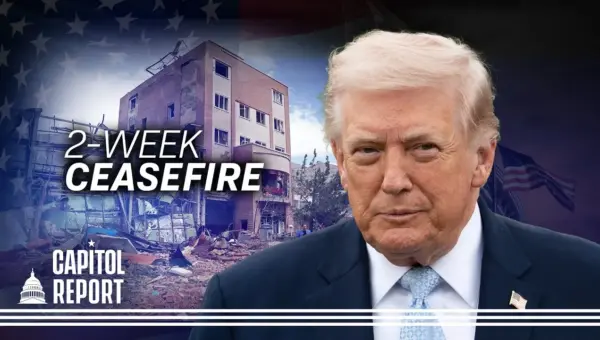
President Trump has agreed to a two-week suspension of attacks on Iran, contingent on Iran reopening the Strait of Hormuz. This move comes as the U.S. reports progress on a peace proposal and highlights the Iranian people's desire for freedom.
US-Iran Ceasefire Holds Amid Tensions, Strait of Hormuz Key
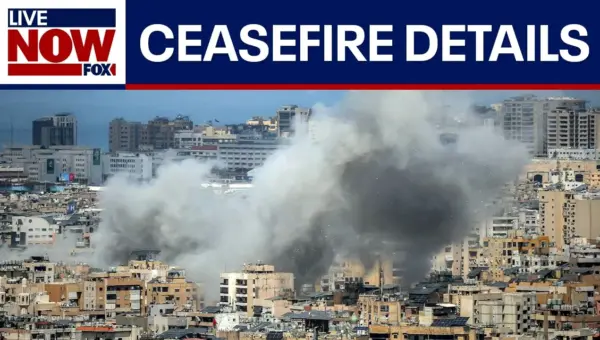
The US and Iran have agreed to a two-week ceasefire, brokered by Pakistan, with the crucial condition that Iran reopens the Strait of Hormuz. This development impacts global oil and gas supplies, as well as food security through fertilizer transport. However, concerns remain about potential Iranian mobilization and compliance, particularly following reports of post-ceasefire missile launches.