Iran’s Strait of Hormuz Blockade Shifts Global Oil Power
Iran's control over the Strait of Hormuz, a vital global oil route, is shifting economic power dynamics. As former President Trump declared a U.S. naval blockade, experts highlight Iran's effective use of this physical choke point, challenging U.S. financial leverage and potentially forcing negotiations under duress.

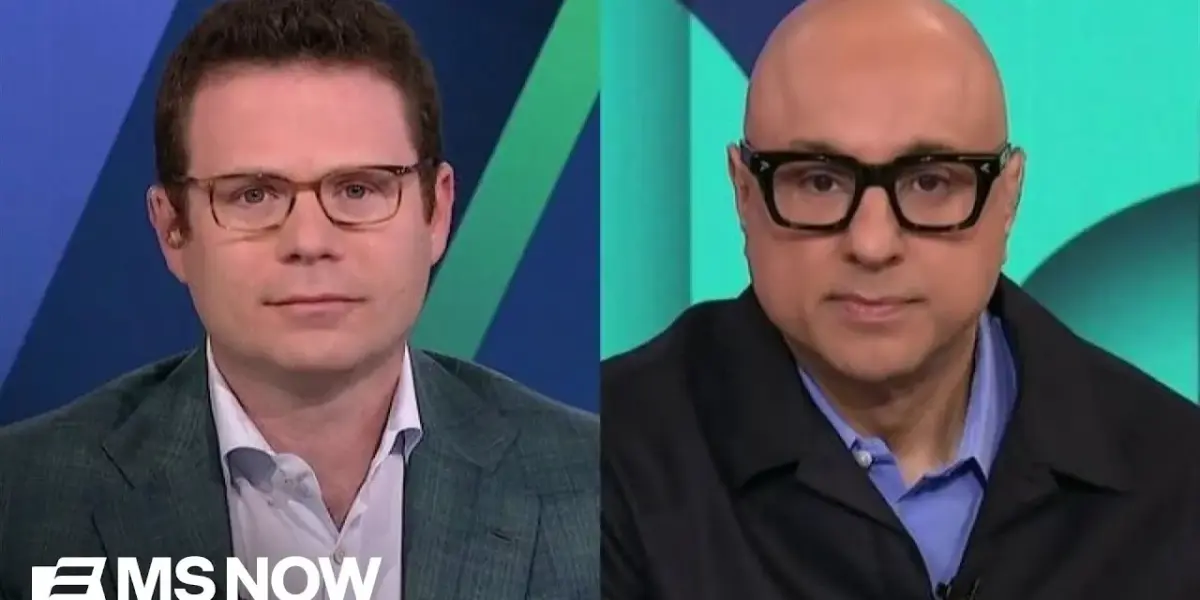
Iran’s Strait of Hormuz Leverage Threatens Global Economy
In a dramatic turn of events, Iran has effectively used the Strait of Hormuz as a strategic choke point, disrupting global oil flow and challenging U.S. economic influence. This action comes as former President Donald Trump announced the U.S. Navy would blockade the vital waterway, a move experts say highlights Iran’s growing power to impact the world economy.
The Critical Strait of Hormuz
The Strait of Hormuz is a narrow waterway connecting the Persian Gulf to the open ocean. It is one of the world’s most important oil transit points, with about one-fifth of global oil supply passing through it daily. Any disruption here sends shockwaves through international markets, leading to price spikes and energy crises in various nations.
Trump’s Proposed Blockade and Iran’s Response
Donald Trump recently declared on social media that the U.S. Navy would immediately begin blocking any ships attempting to enter or leave the Strait of Hormuz. He instructed the Navy to intercept vessels that have paid a toll to Iran, stating that no one paying an “illegal toll” would have safe passage. This statement comes after Iran reportedly began charging tolls on ships passing through the strait, a move Trump himself had previously suggested could be a joint venture between Iran and the U.S.
“Effective immediately, the United States Navy, the finest in the world, will begin the blockade, the process of blockading any and all ships trying to enter or leave,” Trump wrote on Truth Social. “I have instructed our Navy to seek and interdict every vessel in international waters that has paid a toll to Iran.”
Expert Analysis: Choke Points and Economic Warfare
Edward Fishman, author of “Choke Points: American Power in the Age of Economic Warfare,” defines choke points as critical parts of the global economy where one nation holds significant power with few alternatives. Historically, the U.S. has relied heavily on financial choke points, such as sanctions, leveraging the dominance of the U.S. dollar in global transactions. Nearly 89% of all foreign exchange transactions involve U.S. dollars, making American sanctions uniquely effective.
Fishman notes that while the U.S. has used economic warfare as an alternative to physical conflict, Iran is now fighting back with a physical choke point. This strategy reveals Iran’s leverage not just in the current conflict but over the global economy itself.
Iran’s Evolving Tactics
The conflict has exposed limitations in the U.S. strategy of economic warfare, as it has not led to the fall of the Iranian regime. Now, the physical disruption of the Strait of Hormuz could undermine the U.S. ability to coerce enemies through financial means. The petro-dollar system, which prices international oil in U.S. dollars, was established over 50 years ago.
However, Iran’s new toll system for the Strait of Hormuz involves charging fees in Chinese currency and cryptocurrency. This allows Iran to bypass the U.S. dollar, avoid U.S. sanctions, and accept payments that cannot be easily traced or confiscated. This shift reflects China’s growing global economic influence and challenges U.S. dominance.
Shifting Power Dynamics
Fishman points out that this situation demonstrates that it’s not just great powers that can use choke points to influence the global economy. Smaller nations can also wield this power, especially when backed by military force, as Iran has shown with its use of drones and asymmetric weapons.
“The alternative to economic warfare is not peace, it’s kinetic war,” Fishman stated. He also highlighted that Iran learned from decades of facing U.S. financial sanctions. Seeing how the U.S. used the dollar to pressure countries doing business with Iran, Tehran recognized the Strait of Hormuz as a critical energy choke point it could control.
The Goal: Reopening the Strait
The initial goal of the war was widely understood to be regime change in Iran. However, this has not materialized. Now, the primary objective appears to be reopening the Strait of Hormuz, which was functioning normally before the conflict began. This has placed the U.S. in a position where it may need to negotiate under economic pressure, effectively allowing Iran to “turn the tables.”
Fishman expressed concern that any deal Iran might accept now could be worse than the original nuclear agreement. He worries that the situation could escalate militarily, potentially drawing the U.S. into another ground war in the Middle East. The current events underscore the relevance of understanding choke points and their role in international power dynamics.
Source: In closing the Strait of Hormuz, Iran used its leverage and 'turned the tables on us’ (YouTube)

Related Articles
US Tightens Grip, Eyes Regime Change in Iran
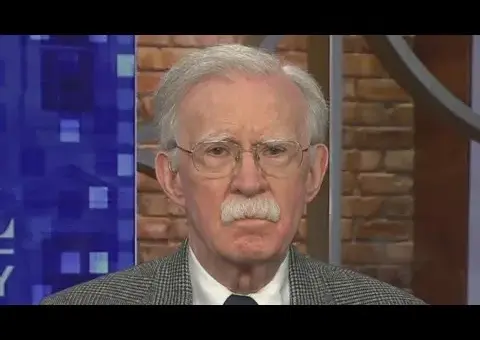
John Bolton argues that the recent ceasefire with Iran was a mistake and advocates for a renewed military strategy. His proposal includes reopening the Strait of Hormuz and maintaining a blockade on Iranian oil to pressure the regime, with the ultimate goal of regime change.

MTG Turns on Trump: Is MAGA’s Reign Over?
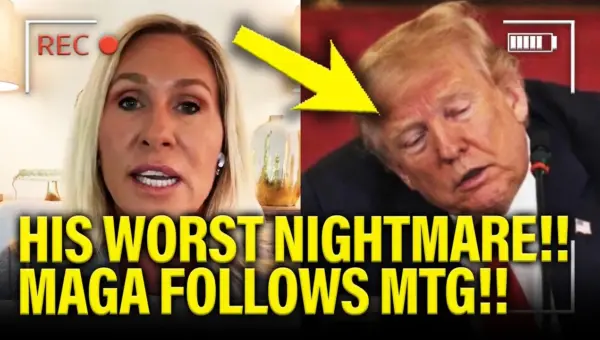
Marjorie Taylor Greene has launched a strong attack against Donald Trump, calling for his impeachment and the use of the 25th Amendment. Citing policy failures and character changes, Greene's criticisms echo sentiments from other conservative figures, suggesting a potential fracturing of the MAGA movement and raising questions about Trump's future influence.
MAGA Voices Admit Trump Is Hurting GOP’s Chances
Two prominent MAGA figures, Steve Bannon and Eric Bowling, are expressing concern that Donald Trump's influence is damaging the Republican party's chances in the upcoming midterms. While they focus on issues like gas prices, the analysis suggests they are close to realizing Trump himself is the core problem.