Iran’s Strait of Hormuz Blockade: A Risky Gamble for Oil Power
Iran's control over the Strait of Hormuz has been its primary bargaining tool in international negotiations. Recent actions by the US to blockade the strait signal an escalation, moving away from potential peace deals towards a standoff. The situation highlights global energy security concerns and Iran's assertive tactics.

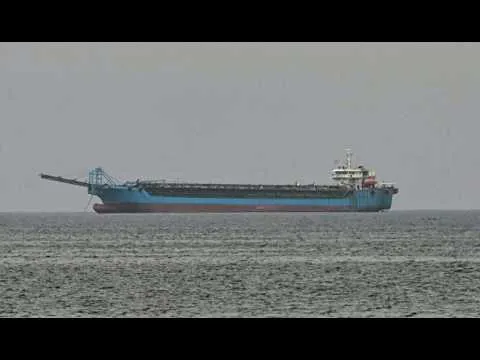
Iran’s Strait of Hormuz Gamble
The Strait of Hormuz is a narrow waterway, but it’s incredibly important for the world’s oil supply. Iran has used its control over this strait as its main bargaining chip in negotiations with the United States and other countries. Recently, tensions flared as the US announced a naval blockade to ensure ships could pass safely. This move came after a period where a peace deal seemed possible, but instead, the situation escalated into a standoff.
Negotiations Fall Apart
Talks aimed at de-escalating the situation, led by figures like JD Vance, reportedly failed to make real progress. According to Middle East analyst Gerard Fiti, Iran didn’t enter these talks with good intentions. He suggests Iran saw the negotiations not as a chance for peace, but as an opportunity to buy time, rearm, and strengthen its position.
Iran wants more from any sort of peace dealer discussion than they had before the conflict even started. They seem to be wanting to keep production of their nuclear materials, missile facilities, control of their regional proxies. But now they also added one caveat. They also want control of the state of Hormuz and to be able to charge shipping fees uh for boats transiting there. That’s just unacceptable to America as it should be to the international community.
Iran’s demands went beyond previous agreements. They reportedly sought to maintain their nuclear material production and missile programs, keep control over regional groups they support, and even gain authority over the Strait of Hormuz, including the right to charge fees for passing ships. This last demand is seen as unacceptable by the US and the international community.
Testing Red Lines
Iran has a history of testing boundaries in negotiations. This tactic, according to Fiti, involves pushing limits to see how much they can gain. Even though Iran’s military capabilities have been weakened, they still possess the ability to disrupt shipping through the Strait of Hormuz. This disruption has put pressure on global oil markets, giving Iran significant leverage.
The International Response
With Iran using the Strait as leverage, the US has initiated a naval blockade to guarantee safe passage. The question now is how Europe and Gulf nations will respond. Historically, many European countries have been hesitant to directly participate in reopening the strait, preferring diplomatic solutions. However, Iran’s firm stance may force Europe to reconsider its position.
Europe now faces a choice: become more involved in ensuring the strait remains open or face the economic consequences of rising oil prices if Iran succeeds in restricting traffic. The analyst suggests a potential realignment of global alliances, with Gulf countries increasingly siding with the US. Some Gulf nations might even consider military action to secure the strait, as it’s in their own economic interest.
While some European nations might eventually cooperate, particularly Eastern European countries focused on economic stability, the primary responsibility for reopening the strait is likely to fall on the United States and Gulf nations. This situation highlights a disappointment for the US regarding commitments from NATO allies.
Hungary’s Election and Foreign Policy
The recent election in Hungary, where a Trump ally lost to a candidate leaning more towards the European Union, could have subtle effects. While the new Hungarian leader is still conservative and not an enemy of the US, the shift might indicate a greater skepticism towards Russia and closer ties with Europe and the US. This election is seen more as a reflection of domestic issues like corruption and economic growth rather than a complete overhaul of Hungarian foreign policy. Overall, this change is viewed as a positive development for US foreign policy.
What Happens Next?
As the naval blockade goes into effect, the world watches to see which vessel will be the first to attempt passage through the Strait of Hormuz. The critical moment will be how Iran responds to this first transit, whether it’s an Iranian ship or a non-Iranian one. The outcome of this first test will determine the next steps in the escalating tensions.
Why This Matters
The Strait of Hormuz is a critical chokepoint for global energy security. Any disruption to oil flow through this waterway can significantly impact global energy prices and economic stability. Iran’s strategy of using this leverage highlights its geopolitical importance and its willingness to employ assertive tactics to achieve its objectives. The international community’s response, particularly from key players like the US, Europe, and Gulf nations, will shape the future of energy security and regional stability in the Middle East.
Trends and Future Outlook
This situation reflects a broader trend of geopolitical maneuvering and the use of economic leverage in international relations. Countries are increasingly using strategic resources and locations to gain concessions. The future outlook suggests a continued period of tension and negotiation, with potential for both diplomatic breakthroughs and further military escalation. The reliability of global supply chains, especially for energy, remains a key concern. The willingness of different nations to cooperate or act independently will be crucial in navigating these challenges.
Historical Context
The Strait of Hormuz has been a focal point of international attention for decades, particularly since the Iran-Iraq War. Iran has historically threatened to close the strait as a form of retaliation or to gain leverage in disputes with the West. Past incidents, such as naval skirmishes and the mining of shipping lanes, underscore the volatile nature of this waterway. The current situation is a continuation of these long-standing tensions, influenced by factors like Iran’s nuclear program, regional rivalries, and global energy demands.
Source: Blocking the Strait of Hormuz Was Iran's Main Leverage in Negotiations: Analyst (YouTube)

Related Articles
Iran Vows “Anything” To Avoid Gaza-Like State Amid Tensions
Iran is determined to avoid a Gaza-like situation amid escalating tensions with the US. A new US blockade of Iranian ports is seen as an act of war, raising fears of wider conflict. Deep distrust and stalled peace talks highlight the fragile state of regional security.
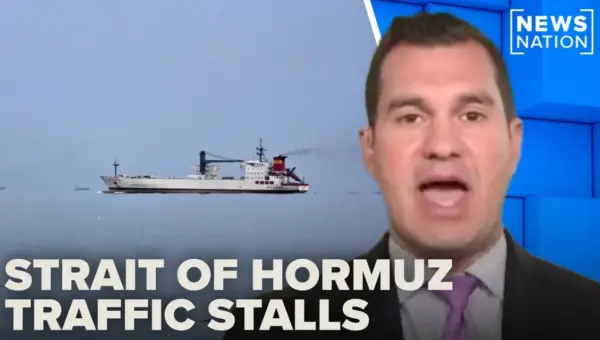
U.S. Tightens Grip on Hormuz Strait
Tensions escalate in the Strait of Hormuz as the U.S. threatens to blockade Iranian ports, causing oil prices to surge. Following failed peace talks, Iran vows retaliation against any perceived violations, setting the stage for a significant geopolitical standoff.

US Blockades Hormuz: War Looms as Iran Threatens to Fire
The U.S. military has imposed a total blockade on the Strait of Hormuz, leading to a dangerous standoff with Iran. This move could see U.S. forces boarding Chinese ships, escalating tensions significantly. Iran has threatened retaliation, raising fears of a wider regional conflict.