Iran’s Strait Control Sparks Global Tensions
Iran's actions in the Strait of Hormuz have escalated regional tensions, challenging a fragile ceasefire and raising global concerns about energy security. The debate intensifies over Iran's nuclear program and its ability to control vital shipping lanes, with experts offering conflicting views on the effectiveness of current strategies.

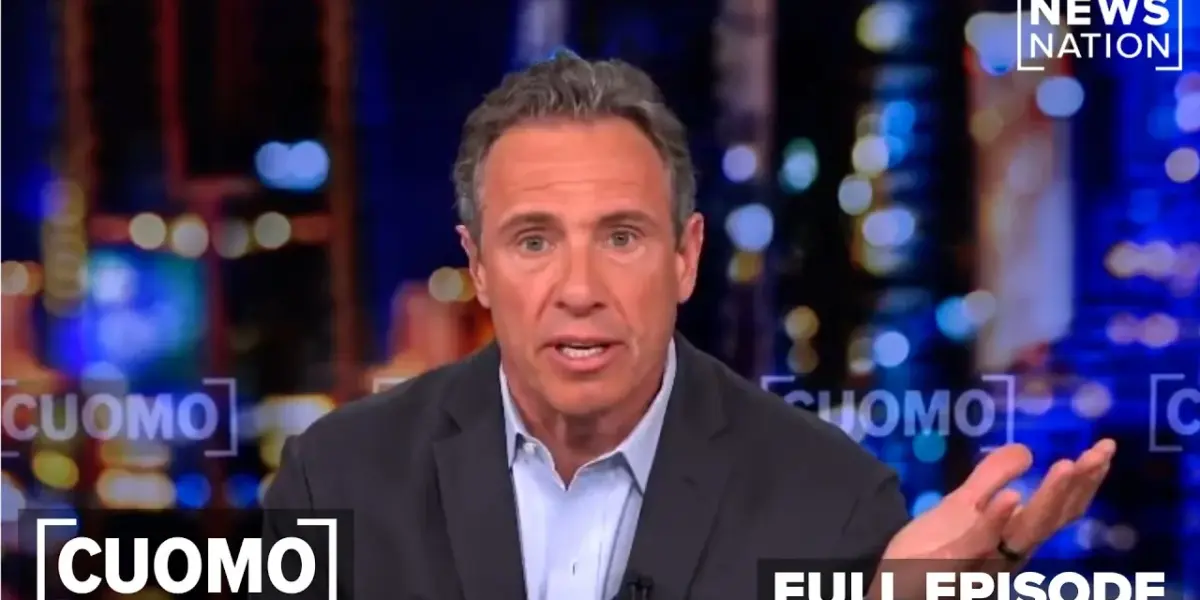
Iran’s Strait Control Sparks Global Tensions
Recent events in the Middle East have dramatically raised global tensions, particularly concerning Iran’s actions in the Strait of Hormuz. A fragile ceasefire, intended to de-escalate conflict, has quickly shown cracks. Iran’s firing on Israel and the UAE, followed by Israeli strikes on Hezbollah in Lebanon, highlights the ongoing instability in the region. The core issue now revolves around Iran’s perceived control over the vital Strait of Hormuz, a key waterway for global oil transport.
A Ceasefire Under Pressure
The supposed ceasefire, announced just 24 hours before the discussion, proved to be short-lived. Iran’s actions, including attacks on Israel and the UAE, immediately put pressure on the agreement. Israel responded with significant strikes against Hezbollah in Lebanon, reportedly causing over a hundred casualties. While Israel and the White House stated Lebanon was not part of the ceasefire, these escalations have heightened regional anxieties.
Iran’s Leverage and Demands
Iran appears to be using its position to gain leverage. The regime is reportedly making demands from Israel and the United States that seem to contradict claims of their desperation for a deal. A key point of contention is Iran’s actions regarding the Strait of Hormuz. While Iran claims to be ‘closing’ the strait, it’s noted that it was never fully open, with only a few ships passing through compared to the hundreds per day before recent events. Iran is demanding tolls from ships transiting the strait, seeking payment for actions taken by Israel and the U.S.
The Nuclear Question Looms
Central to the geopolitical puzzle is Iran’s nuclear program. There is significant uncertainty, even among intelligence agencies and international bodies like the IAEA, about the exact status of Iran’s nuclear capabilities. Since Iran announced it would enrich uranium to 60% in 2021, inspections have been limited, making it difficult to verify their progress. This lack of transparency fuels international concern, especially given that 60% enrichment is close to weapons-grade material.
Conflicting Narratives on Enrichment
Discussions reveal conflicting assessments of Iran’s nuclear progress. While some reports suggest Iran’s program was significantly damaged by Israeli strikes over the summer, others indicate they are close to developing weapons-grade uranium. This contradiction raises questions about the reliability of intelligence and the messaging from various governments. The IAEA, while noting Iran’s 60% enrichment, also states that further steps to build a usable weapon could take months or years.
Expert Analysis: Different Perspectives
Experts offer varied viewpoints on how to approach Iran. Some argue that negotiations are only effective if Iran’s military capabilities are first severely degraded. They point to extensive Israeli and U.S. strikes targeting Iranian assets, including air defense systems, missile sites, and naval units, suggesting these actions have significantly set back Iran’s military power.
Others emphasize that wars are judged by political outcomes, not just military operations. They highlight that despite significant military pressure, Iran’s remaining capabilities in the Strait of Hormuz are enough to pressure the U.S. and cause pauses in action. This suggests a tactical victory for Iran in raising costs and influencing U.S. policy, which could be seen as a geopolitical relegation of U.S. responsibility if allowed to stand.
The Role of Proxies and Asymmetric Warfare
A crucial element often overlooked is Iran’s use of proxies and asymmetric warfare. While military strikes can damage state infrastructure, the ideas driving these proxy groups are not easily eliminated. This strategy remains a significant challenge for international interests and stability, even if Iran’s direct military capacity is reduced.
Historical Context and Diplomatic Precedents
The current situation echoes past diplomatic efforts and conflicts concerning Iran’s nuclear program and regional influence. The U.S. has historically maintained a stance against Iran acquiring nuclear weapons. However, the approach has varied between administrations, with some favoring direct negotiation and others prioritizing sanctions and military pressure. The debate over whether to engage directly or isolate Iran has been a recurring theme in international diplomacy.
Economic Leverage and Sanctions
Economic factors play a critical role in the ongoing tensions. Sanctions have been a primary tool used by the U.S. and allies to pressure Iran. However, Iran’s control over the Strait of Hormuz, even if partial, allows it to disrupt global energy markets and impose costs on international trade. This economic leverage complicates efforts to isolate Iran and forces a re-evaluation of diplomatic strategies.
Future Scenarios
Several future scenarios are possible:
- Continued Escalation: If diplomatic efforts fail and Iran continues to challenge shipping in the Strait, further military confrontation could occur.
- Negotiated Settlement: A breakthrough in negotiations, possibly involving concessions on both sides regarding the nuclear program and regional security, could lead to a de-escalation.
- Stalemate: A prolonged period of tension, with ongoing low-level conflict and economic pressure, could persist if neither side achieves its objectives.
Global Impact
The events surrounding Iran’s actions in the Strait of Hormuz have significant global implications. They directly impact global energy security, influencing oil prices and supply chains. The ongoing conflict also affects regional stability, potentially drawing in other powers and exacerbating existing rivalries. The ability of Iran to project power and influence through actions like controlling a vital strait demonstrates a shift in the regional balance, challenging established norms and requiring a careful recalibration of international policy.
The Strait of Hormuz is a critical chokepoint, and any disruption there has immediate global economic consequences. The interplay between Iran’s nuclear ambitions, its regional proxies, and its control over this waterway creates a complex geopolitical challenge.
The debate continues on whether Iran is truly desperate or strategically leveraging its position. The U.S. administration insists on its goal of preventing Iran from obtaining nuclear weapons, but the path to achieving this goal remains contested, with differing views on intelligence, negotiation tactics, and the effectiveness of military action.
Source: Will The Ceasefire Hold? O’Reilly Debates Cuomo on Iran's Nuclear Program | CUOMO Full Show 4/8 (YouTube)

Related Articles

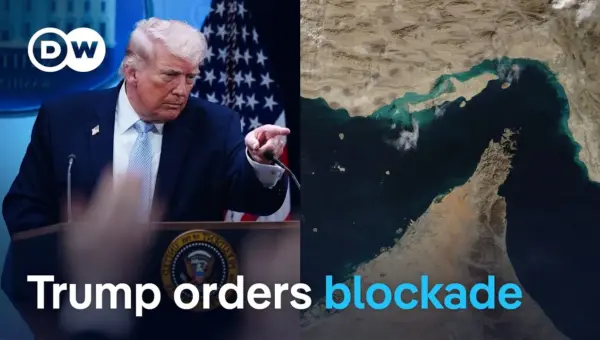
US Blockades Hormuz Strait After Iran Talks Collapse
The U.S. has imposed a naval blockade on the Strait of Hormuz following failed peace talks with Iran in Pakistan. Despite mediation efforts, key disagreements over Iran's nuclear program and mutual trust prevented a deal. The move escalates regional tensions, with Pakistan urging continued dialogue.

US-Iran Peace Talks Collapse Over Nuclear Standoff
High-level peace talks between the United States and Iran have failed to secure an agreement, primarily due to Iran's refusal to commit to abandoning nuclear weapons. Vice President J.D. Vance called the discussions substantive but ultimately unsuccessful, stating the U.S. presented a final offer. Following the collapse, President Trump announced an immediate U.S. Navy blockade of the Strait of Hormuz.


Vance’s Failed Diplomacy Could Doom His Political Future
Senator JD Vance's recent diplomatic mission in Pakistan ended in failure, raising questions about his political future. The situation highlights complex geopolitical tensions, potential strategic missteps by Donald Trump, and significant economic implications for global energy markets.