Iran’s Shifting Power: Protests Reignite Amidst Brutal Crackdown
Iran is experiencing a dramatic shift in its power hierarchy and a resurgence of public dissent following a brutal crackdown on recent protests. Journalist Roya Hakakian reports on the widespread public anger fueled by economic hardship and state violence, while hopes rise for potential defections within the Revolutionary Guard.

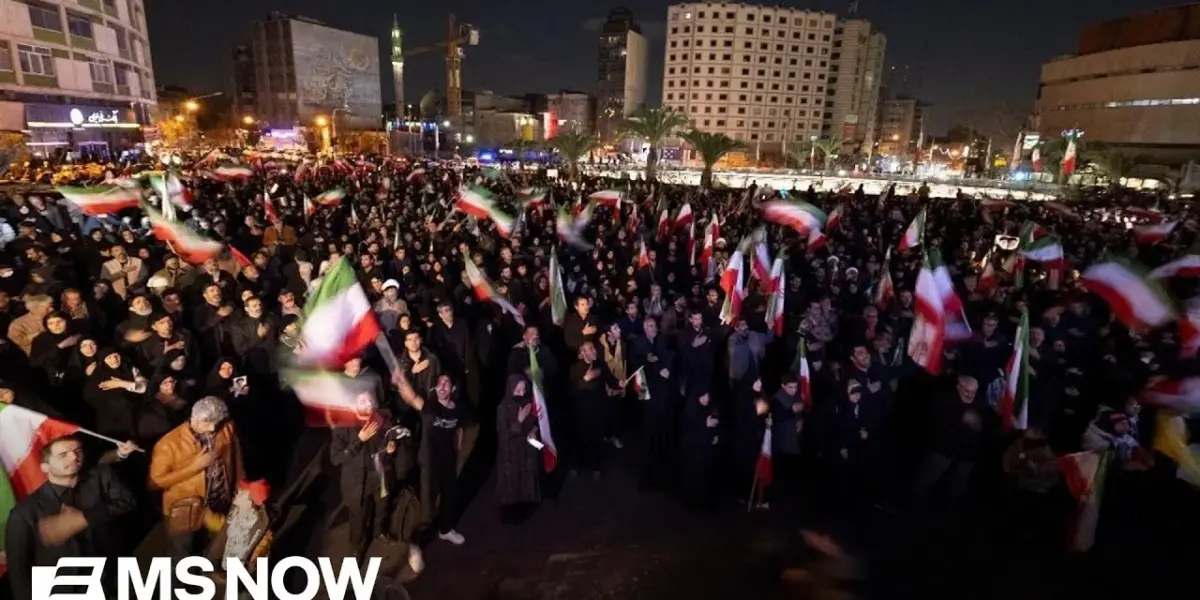
Iran’s Power Dynamics Dramatically Shift Following Recent Unrest
Tehran, Iran – The political landscape within Iran has undergone a significant transformation, marked by a dramatic shift in the power hierarchy and a resurgence of public dissent following a period of intense, state-sanctioned violence against protestors. The recent events have ignited hopes for a renewed wave of demonstrations and a potential push for moderation within the country’s leadership, according to Iranian-American journalist Roya Hakakian.
Widespread Protests Met with Unprecedented Brutality
Just weeks prior to the current geopolitical developments, Iran witnessed its most extensive protests since the 1979 revolution. These demonstrations, however, were met with a brutal crackdown by the Islamic Revolutionary Guard Corps (IRGC) and riot police, described by Hakakian as one of the worst massacres in modern history. She drew a chilling comparison to the Srebrenica massacre, where 8,000 Bosnian Muslims were killed over several months, noting that in Iran, a similar number of casualties were reported in just a few days.
“The massacre that took place in Iran six weeks ago, seven weeks ago, in the aftermath of January 8th and 9th, it can only be compared with the worst massacres in Europe or throughout the world. In Bosnia, 8,000 were killed in a matter of several months. In Iran, already, we know that that number stands already at 8,000 for only three or four days.”
The economic situation in Iran has exacerbated the public’s discontent. The Iranian Rial has plummeted, losing 99% of its value since 1979, and inflation rates have soared above 80%. Hakakian suggested that had the state’s reaction been less violent, millions more would have taken to the streets. The current climate of fear, compounded by internet blackouts and checkpoints, is seen as a deliberate attempt by the regime to stifle any potential uprising.
International Support and Communication Channels
In the face of government suppression, calls for international assistance to help Iranians communicate and disseminate their message have grown. Experts suggest that measures such as providing access to satellite internet services like Starlink, which were reportedly utilized during previous protests, could be crucial. Additionally, there’s a push to expand Persian-language broadcasting services into Iran, a move that was reportedly curtailed by the Trump administration.
Stephen Cook, a fellow analyst, emphasized the regime’s capacity to manufacture support but highlighted that the recent protests indicate a deep-seated dissatisfaction among a significant portion of the population. He posited that given the opportunity, many Iranians would actively participate in street demonstrations, reflecting a continuous revolt against the current government that dates back to at least 2009.
Regime’s Brutality and Historical Parallels
The scale of the violence employed by the Iranian regime has drawn stark parallels to its own past actions and its advice to other regimes. It is estimated that the regime may have killed as many as 30,000 people in a very short period, a figure comparable to casualties in prolonged conflicts. Hakakian pointed out that Iran has historically advised allies, such as Bashar al-Assad’s regime in Syria, on employing overwhelming force to quell dissent. This strategy of intimidation and suppression appears to be reiterated within Iran itself.
Hope for Defections Within the Revolutionary Guard
A critical element in the ongoing struggle for change lies within the ranks of the IRGC. There is a prevailing hope that the recent geopolitical events and the perceived ineffectiveness of the supreme leader’s long-standing anti-American rhetoric may sow seeds of doubt among members of the security forces. The Iranian opposition and the U.S. administration have extended offers of immunity to those within the Guard who lay down their arms, a move intended to encourage defections and weaken the instruments of repression.
“The supreme leader who for 40 years had said America can’t do a damn thing just just saw, the nation just saw that America did more than a damn thing. So they must be asking themselves whether it’s wise to continue on the path that they have been for so many years.”
Hakakian believes that the desire to defect, particularly with assurances of safety, will likely grow among IRGC members. The prospect of internal divisions within the Guard could significantly alter the dynamics of the current situation, potentially emboldening protestors and facilitating a broader movement for change.
Future Outlook: A Climate of Uncertainty
The coming weeks will be crucial in observing how these shifting dynamics play out. The resilience of the Iranian people, coupled with potential fractures within the regime’s security apparatus, could pave the way for a new chapter in Iran’s political history. The international community will be closely watching to see if the calls for moderation gain traction and if the promise of immunity can indeed inspire significant defections, thereby weakening the state’s capacity to suppress dissent.
Source: How are Iranians reacting to the conflict? Iranian-American journalist weighs in (YouTube)

Related Articles
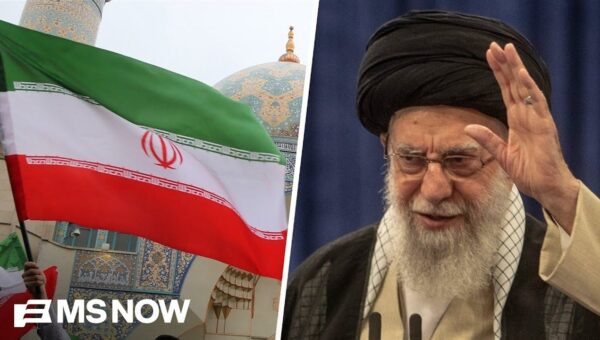
Iran Celebrates After Israeli Strikes Eliminate Top Leaders
Following Israeli airstrikes that reportedly killed Iran's Supreme Leader and top staff, celebrations have erupted among the Iranian diaspora. While a "monumental event," analysts caution against immediate expectations of a smooth democratic transition due to the IRGC's power and a divided opposition.
Iran’s Power Vacuum: IRGC Steers Nation Amidst Crisis
Iran faces unprecedented vulnerability following the assassination of Supreme Leader Ayatollah Ali Khamenei. The nation is under attack internally and externally, with the IRGC playing a crucial role in managing the leadership transition and maintaining state control amidst a deepening political and economic crisis.

CIA Predicts IRGC Hardliner to Succeed Iran’s Supreme Leader
A CIA assessment suggests that the next Supreme Leader of Iran is likely to be an IRGC hardliner, not a moderate figure. This projection highlights the growing influence of the Revolutionary Guard within Iran's political structure. Such a succession could impact domestic policies and international relations.