Iran’s Shadow Oil Network Fuels Billions Amid Sanctions
An investigation has uncovered a vast shadow network, potentially worth tens of billions of dollars, that has been crucial for Iran in bypassing international sanctions through oil and arms trading. This discovery highlights the sophisticated methods used to circumvent global financial restrictions and carries significant implications for geopolitical risk and market transparency.

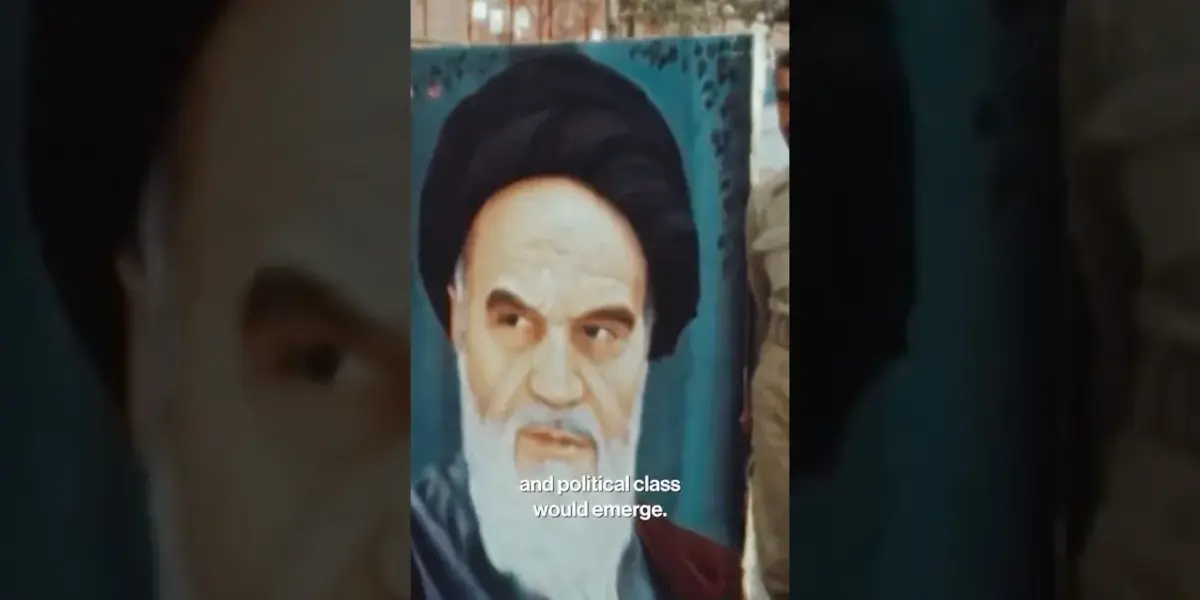
Iran’s Shadow Oil Network Fuels Billions Amid Sanctions
A sprawling, clandestine network, reportedly responsible for facilitating tens of billions of dollars in oil and arms trades for Iran, has been brought to light, highlighting the lengths to which the Islamic Republic goes to circumvent international sanctions. This intricate web, operated by an elite figure known by the codename ‘H,’ has emerged as one of Iran’s three largest oil trading networks, demonstrating a significant capacity to navigate and undermine global financial restrictions.
The revelations stem from a comprehensive investigation that uncovered a secretive business empire built to operate beyond the reach of Western sanctions, a challenge that has persisted for Iran since the 1979 revolution. In the decades following the establishment of the Islamic Republic, the regime has relied on intermediaries to maintain its economic activities, particularly in the crucial oil sector. The network detailed in recent reports has played a pivotal role in this strategy, acting as a crucial conduit for Iranian trade.
A Global Reach Beyond Oil
While oil trading formed the cornerstone of this operation, the investigation revealed that the network’s activities extended far beyond the energy markets. Evidence suggests involvement in the arms trade, indicating a broader strategic objective to consolidate power and influence both domestically and internationally. The scope of these operations, reaching beyond the Iranian capital of Tehran, underscores the global nature of this shadow economy.
“It’s difficult to put a number but it is tens of billions of dollars.”
The sheer scale of the financial transactions involved, estimated in the tens of billions of dollars, positions this network among the most significant facilitators of Iranian trade operating under restrictive sanctions regimes. This financial muscle has enabled Iran to sustain key sectors of its economy and potentially fund operations that challenge international norms.
Law Enforcement Scrutiny and Market Implications
The unmasking of this network has led to one of the most substantial law enforcement actions by the United States in recent years. The investigation and subsequent actions signal a heightened focus by global authorities on sanction evasion tactics employed by state and quasi-state actors. For the global oil market, the existence of such large, opaque trading channels can create price distortions and obscure the true flow of crude, making market analysis more challenging.
The reliance on such networks also points to the persistent challenges in enforcing international sanctions effectively. While sanctions aim to pressure regimes into altering their behavior, the emergence of sophisticated intermediaries demonstrates an adaptive response from targeted nations. This cat-and-mouse game has significant implications for geopolitical stability and the functioning of international trade.
What Investors Should Know
The revelation of Iran’s extensive shadow oil and arms trading network has several key implications for investors and the broader financial landscape:
- Geopolitical Risk Premium: The ongoing efforts by Iran to circumvent sanctions, and the international response to these efforts, contribute to geopolitical risk. This can translate into increased volatility in energy markets, particularly crude oil prices, and affect companies with significant exposure to the Middle East.
- Sanctions Enforcement: Increased scrutiny and enforcement actions against sanction evasion networks signal a tougher stance by global powers. This could lead to greater compliance burdens for businesses operating internationally and potentially impact companies with indirect ties to sanctioned entities or regions.
- Opaque Markets: The existence of large, hidden trading networks makes it difficult to accurately assess the true supply and demand dynamics in key commodity markets, such as oil. This opacity can create opportunities for sophisticated traders but also increases risk for less informed investors.
- Energy Security: The ability of sanctioned countries to continue exporting oil through clandestine channels affects global energy security. It can prolong the market presence of supply that might otherwise be curtailed, influencing price levels and the strategic decisions of major energy producers.
The long-term implications suggest that while sanctions can impose economic pain, they may not always achieve their intended political outcomes without robust, multi-faceted enforcement. The resilience of Iran’s elite in maintaining these operations, even as domestic calls for change persist, paints a complex picture of the nation’s internal dynamics and its role on the global stage. The fate of the Islamic Republic, as the world watches, remains intertwined with its ability to navigate these economic and political pressures.
Source: Iran’s Shadow Oil Kingpin (YouTube)

Related Articles

Iran’s Shadow Oil Empire Fuels Regime: Tens of Billions Funneled
A Bloomberg investigation reveals a vast shadow oil empire linked to the sons of Ali Shamkhani, a key Iranian official. This network allegedly moves tens of billions of dollars through oil and arms trading, circumventing sanctions and fueling the Iranian regime. The operation involves sophisticated evasion tactics, international financial ties, and has recently faced increased scrutiny from U.S. authorities.

Europe Braces for Potential Russia Conflict Within Years
European defense experts warn of an escalating risk of military confrontation with Russia, potentially within the next three to five years. The urgency stems from the evolving nature of warfare, emphasizing the need for rapid modernization and integration of advanced technologies like drones, alongside a crucial focus on national resilience.
How a $3,000 Drone Destroyed Putin’s $300 Million Shadow Empire Deal
A Ukrainian drone strike on an oil facility in Rostov, Russia, has exposed the intricate web of Russia's shadow economy that connects intelligence services with international cartels and sanctioned regimes. The attack disrupted a $300 million transaction, revealing how Putin's regime has merged state power with organized crime to circumvent sanctions.