Iran’s Shadow: Border Security Faces New Threats
Concerns are rising over Iranian nationals entering the U.S. with potential security risks. A former Border Patrol chief highlights challenges in vetting migrants and fears of sleeper cell or lone wolf attacks. This issue touches on complex geopolitical rivalries and the need for stronger international cooperation.


Iran’s Shadow: Border Security Faces New Threats
A former Border Patrol chief is raising serious concerns about a potential threat from individuals with ties to Iran entering the United States. Chris Clem, who previously led Border Patrol in Yuma, Arizona, believes there’s a growing worry about migrants who have already made it into the U.S. This concern is particularly focused on those who might have connections to Iran.
Since 2021, U.S. border authorities have apprehended more than 2,500 Iranian nationals. This number highlights a significant increase in Iranian citizens attempting to enter the country. In Texas, law enforcement is paying close attention to a rising number of “special interest aliens.” These are individuals from the Middle East whose backgrounds require extra scrutiny.
The Vetting Challenge
The process of checking who is entering the country is incredibly complex. Clem explains that the vetting process for migrants is difficult, especially when dealing with people from countries where obtaining reliable information is challenging. When people come from places like Iran, it’s hard to know their full history or intentions.
This difficulty in vetting raises questions about national security. If individuals with harmful intentions can slip through the cracks, the risk to the U.S. increases. The system aims to catch dangerous people, but it’s not perfect. Clem’s comments suggest that the current system may not be enough to handle the specific challenges posed by migrants from certain regions.
Cooperation Across Borders
Combating these threats requires cooperation between different law enforcement agencies. Clem notes that there is cooperation across the country. This means federal agencies, state police, and local law enforcement are trying to work together. Sharing information and resources is key to identifying and stopping potential threats.
However, the sheer volume of people crossing the border can overwhelm these efforts. Even with cooperation, keeping track of everyone and thoroughly checking their backgrounds is a massive task. The border is a huge area, and managing it effectively is a constant challenge for those on the front lines.
Migrants on Watchlists
A major concern is the number of migrants who are already on watchlists for potential security risks. Clem indicates that some individuals encountered at the border may have connections to individuals or groups that are monitored by intelligence agencies. This raises the possibility that known or suspected threats could be trying to enter the U.S.
The presence of such individuals, even if they are not directly involved in terrorism, poses a risk. They could potentially be used by hostile states or groups. This is why the vetting process is so critical, aiming to prevent anyone who poses a danger from entering the country.
Iranian Migrants Facing Removal
Adding to the complexity, Clem points out that many Iranian migrants have final orders of removal. This means they have gone through the immigration process and a judge has ordered them to leave the country. Yet, they remain in the U.S. This situation creates a legal and security puzzle.
Why are these individuals still here if they are supposed to be removed? Are they hiding from authorities? This raises questions about the effectiveness of deportation processes and the potential for individuals with removal orders to remain in the country undetected. It suggests a gap in enforcement that could be exploited.
Concerns of Sleeper Cells and Lone Wolf Attacks
The ultimate concern raised by Clem is the possibility of Iranian sleeper cells or “lone wolf” attacks within the United States. A sleeper cell is a group of individuals who live normal lives but are ready to carry out attacks when ordered. A lone wolf attacker is someone who acts alone, inspired by an extremist ideology.
Clem fears that individuals with ties to Iran, especially those who manage to enter the U.S. without thorough vetting or those who evade deportation, could pose such a threat. He believes there is a heightened concern that such individuals could be activated to carry out attacks. This is not about a large invasion, but about a few individuals causing significant harm.
Global Impact and Shifting World Order
The situation at the U.S. southern border is not just an American issue; it has global implications. Iran is a country with complex geopolitical relationships and a history of supporting various militant groups. Any potential threat originating from individuals with ties to Iran entering the U.S. could strain international relations further.
The ability of individuals to cross borders and potentially evade security checks highlights weaknesses in global security systems. It suggests that international cooperation on intelligence sharing and border management needs strengthening. This is especially true when dealing with nations that are often at odds with Western powers.
Historical Context
The idea of foreign powers using individuals to carry out attacks or gather intelligence on enemy soil is not new. Throughout history, nations have employed spies and covert operatives. The current concern echoes past fears about state-sponsored terrorism and infiltration. For example, during the Cold War, both the U.S. and the Soviet Union used covert means to gain advantages.
The current focus on Iran relates to its ongoing geopolitical role in the Middle East and its perceived challenges to U.S. interests. Past incidents involving Iran and its proxies in other regions likely contribute to the heightened security concerns at the U.S. border.
Economic Leverage and Dependencies
While the transcript doesn’t detail economic sanctions or trade figures, Iran’s economy is heavily impacted by international sanctions. This economic pressure can sometimes lead individuals to seek opportunities elsewhere, including through migration. Understanding Iran’s economic situation can offer context for why more Iranians might be attempting to migrate.
The U.S. uses sanctions as a tool to pressure Iran’s government. However, these sanctions can also affect ordinary citizens, potentially influencing their decisions to leave the country. The flow of people is often linked to economic conditions and political stability.
Regional Alliances and Rivalries
Iran is a key player in Middle Eastern politics, with many regional rivalries. Its relationships with countries like Saudi Arabia, Israel, and the United Arab Emirates are tense. These regional dynamics can influence migration patterns, as people may flee instability caused by these rivalries.
The U.S. has alliances with many of these regional rivals of Iran. Therefore, any perceived threat from Iran or its affiliates is viewed through the lens of these existing geopolitical tensions. This makes border security a component of a much larger, complex international chess game.
Future Scenarios
One future scenario is that current vetting and enforcement efforts are strengthened, significantly reducing the risk of individuals with malicious intent entering the U.S. This would likely involve increased international cooperation and better intelligence sharing.
Another scenario is that the current challenges persist or worsen. This could lead to more successful entries by individuals posing a risk, potentially increasing the likelihood of security incidents. This scenario highlights the ongoing need for vigilance and adaptation in border security strategies.
A third possibility is that geopolitical events in the Middle East or elsewhere lead to a significant change in migration patterns. New conflicts or political shifts could either increase or decrease the number of migrants from certain regions, altering the security landscape at the border.
Final Thoughts
Chris Clem’s warnings underscore the complex and evolving nature of border security. The challenge is not just about managing the flow of people but also about ensuring that those entering the country do not pose a threat to national security. The situation with Iranian nationals, particularly those with removal orders, highlights the need for robust intelligence and effective enforcement mechanisms. The U.S. border remains a critical point of entry, and vigilance against potential threats, from whatever source, is paramount.
Source: Iranian sleeper cells: Is there a threat of lone wolf attacks? | Bradley on the Border (YouTube)

Related Articles

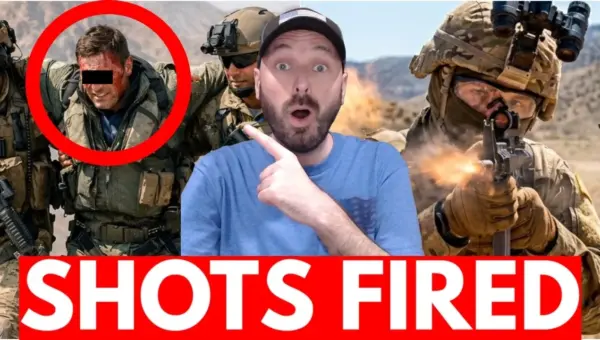
US Forces Unleash Fury in Deadly Iran Rescue Mission
U.S. special forces executed a brutal and successful rescue mission in Iran to save a downed F-15 pilot. The operation involved intense combat and highlights America's commitment to its personnel. The event also coincides with reports of significant strikes against Iranian military leaders.
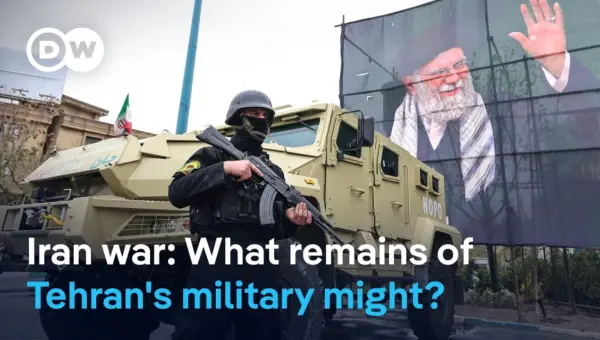
Iran Downs US Jet, Challenging Air Superiority Claims
A U.S. fighter jet has been shot down over Iran, challenging official claims of complete air superiority. The incident has sparked a risky rescue mission for a missing airman and raises questions about the true effectiveness of U.S. military operations against Iran's evolving defenses. Experts suggest strategic goals remain unmet despite tactical successes.
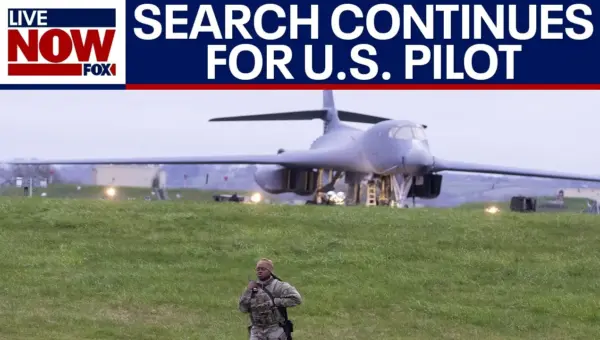
US Pilot Missing in Iran After F-15E Strike Eagle Downed
A U.S. F-15E Strike Eagle fighter jet was shot down over Iran, prompting an ongoing search for the missing pilot. Retired Lt. Col. Jason Harris highlighted the critical role of SEIR (Survival, Evasion, Resistance, and Escape) training for pilots in such emergencies. Elite U.S. combat search and rescue teams are working tirelessly to locate and recover the downed airman.