Iran’s Regime Under Siege: Attacks Cripple Leadership, Impact Russia
Iran's regime is reportedly facing critical blows from targeted attacks, crippling its leadership and severing a vital military supply line to Russia. This dual pressure is significantly impacting Russia's war efforts in Ukraine, while internal dissent grows within Iran.

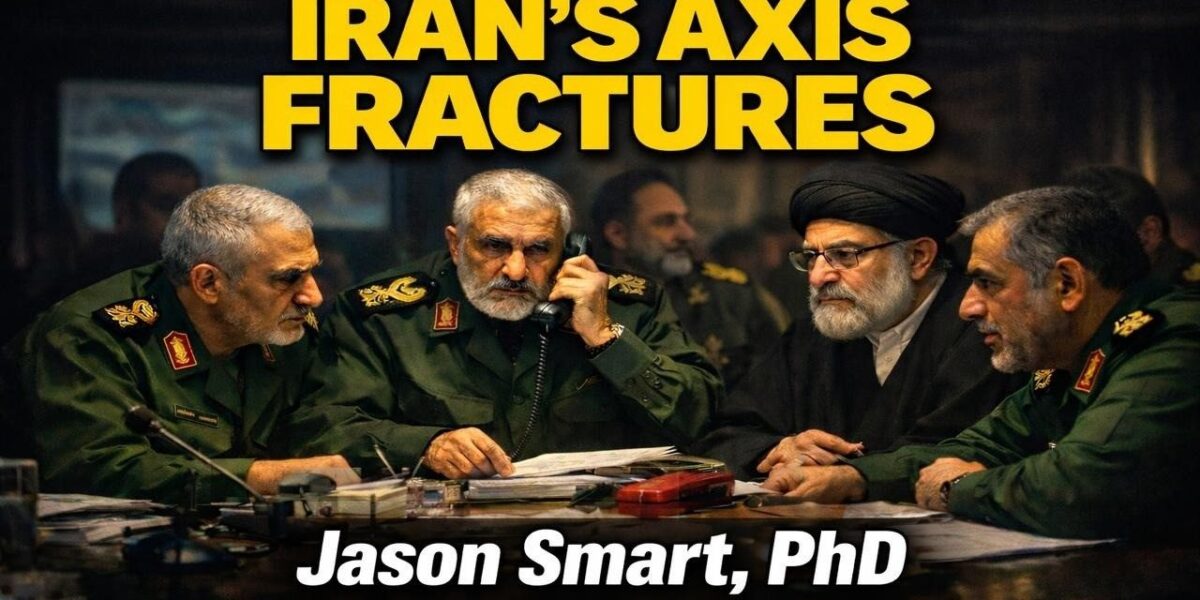
In a rapidly evolving geopolitical landscape, Iran’s ruling regime is reportedly facing unprecedented pressure, with escalating attacks targeting its military infrastructure and leadership. Concurrently, these developments are having a significant, detrimental impact on Russia’s ability to sustain its war efforts in Ukraine, effectively severing a crucial lifeline for Moscow.
Regime Under Fire: Internal and External Pressures Mount
Recent weeks have seen a surge in coordinated strikes, attributed to Israel and the United States, targeting Iranian military bases and ballistic missile launch sites. While the Iranian regime continues its efforts to survive, these external pressures are compounded by widespread internal dissent. “We are watching as the regime in Iran is coming to a close,” stated Dr. Jason Smart, Ak Post special correspondent and national security adviser. “It is a matter of time because within Iran itself, we see that the population has rallied against this government.”
The transcript highlights the deep-seated discontent within Iran, referencing protests that drew tens of thousands, if not hundreds of thousands, to the streets just weeks prior. The regime’s response, described as violent and unyielding, has further fueled animosity. However, the current wave of attacks appears to be significantly degrading the regime’s operational capacity. Reports indicate the elimination of key figures, including the head of the armed forces and senior IRGC (Islamic Revolutionary Guard Corps) officials. Shockingly, the former president, Akmandad, and even the Ayatollah himself are reported to have been killed, leaving the regime severely lacking in senior leadership.
“Now lacking senior leadership, it becomes harder to continue fighting, who’s to coordinate, who takes orders from whom,” Dr. Smart observed. Despite this decapitation of its command structure, Iran has continued to launch retaliatory attacks across the region, including attempts on targets in Dubai and Cyprus, as well as a missile attack on the USS Abraham Lincoln, which fortunately failed.
Iran’s Regional Reach Diminishes Amidst Economic Collapse
The effectiveness of Iran’s regional actions appears to be waning. The United Arab Emirates, for instance, reported intercepting 152 ballistic missiles and 506 drones. Furthermore, the transcript points to a significant decline in the regime’s ability to support its proxies. Allies like Hezbollah and Hamas are reportedly less active in supporting Iran, attributed to their own financial difficulties and Iran’s collapsing currency.
“The Iranian currency has nearly totally collapsed. In fact, some official trading says now the exchange rate for US dollar to Iranian real is $1 for zero real. That’s because real has no value. You cannot buy it any longer. That’s how bad the economy has become and that’s why people were protesting. They were hungry. But now, now that the regime cannot pay for its proxies, the regime cannot keep the show on the road.”
This economic freefall is a direct consequence of internal mismanagement and the regime’s focus on funding its regional ambitions and military programs at the expense of its population. The protests stemmed from widespread hunger and economic hardship, making the regime’s continued survival increasingly untenable.
The Critical Link to Russia’s War Machine
The implications of Iran’s weakening state are particularly dire for Russia. For years, Iran has been a critical supplier of advanced weaponry, including drones and ballistic missiles, to Moscow. These weapons have been instrumental in Russia’s prolonged invasion of Ukraine, often targeting civilian infrastructure and populations.
“This war right now is not one that just affects Iran. This directly affects Ukraine. that this very positively affects Ukraine because the Iranian leadership is a close ally of Russia’s,” the transcript explains. The attacks on Iranian military targets are seen as directly impacting Russia’s war-making capabilities. The disruption of Iran’s production and supply chain for critical components, such as drone engines and motors, is expected to significantly hamper Russia’s ability to replenish its dwindling arsenal.
“Russia doesn’t have enough missiles anymore. It doesn’t have enough drones anymore. And today that’s only going to get more dry. It’s not going to get better for the Russians,” Dr. Smart noted, linking Russia’s territorial losses in Ukraine directly to its reduced access to Iranian military hardware. The breakdown in communication within the Russian military, exacerbated by government restrictions on platforms like Telegram, further complicates its operational effectiveness.
Shifting Alliances and the Future of Regional Stability
The erosion of the Iran-Russia alliance is viewed as a symptom of a broader shift in global power dynamics. The transcript suggests that Russia’s own internal economic woes are mirroring Iran’s, with elites facing asset seizures and a general scarcity of wealth. This internal instability within Russia, unlike Iran’s ideologically driven leadership, is seen as a potential catalyst for its own regime’s weakening.
The narrative also touches upon Iran’s historical involvement in global terrorism and money laundering, particularly in Latin America, through proxies like Hezbollah. The weakening of these networks due to Iran’s internal crisis is expected to have ripple effects across various regions.
What Lies Ahead?
The coming days and weeks will be critical in determining the ultimate fate of the Iranian regime and its impact on global security. Key indicators to watch include the potential for defections within Iran’s intelligence services, which would signal a definitive shift in the tide of internal dissent. The consolidation of power within Iran, following the reported elimination of its top leadership, remains uncertain. For Russia, the continued disruption of its weapons supply from Iran will undoubtedly accelerate its military challenges in Ukraine, potentially hastening the end of the conflict. The global community will also be observing whether the reduced capacity of Iran and Russia leads to a de-escalation of regional tensions or opens new avenues for instability.
Source: Iran's Axis Breaks: Russia Loses Its Lifeline (YouTube)

Related Articles

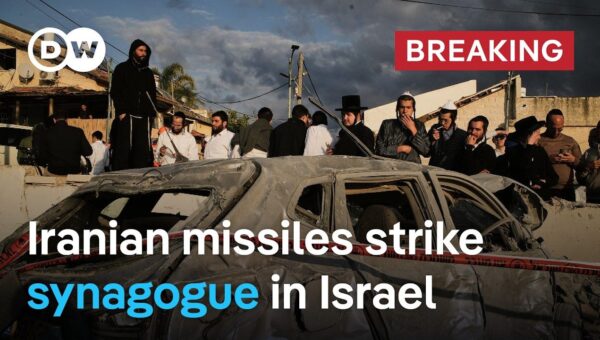
Iran Missile Strike Kills 9 in Israel, Netanyahu Vows Escalation
Nine people were killed and 28 wounded in a devastating Iranian missile strike on a synagogue in Beit Shemesh, Israel. Prime Minister Benjamin Netanyahu has vowed to intensify strikes on Tehran, as analysts discuss the escalating conflict and Iran's capacity for sustained resistance.

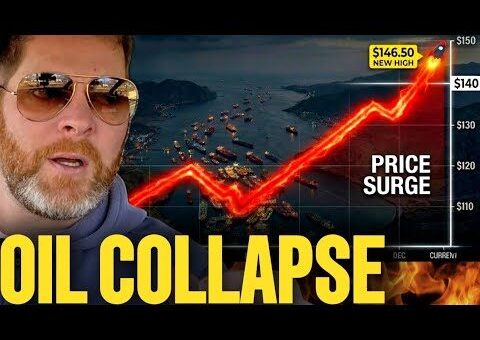
Oil Prices Skyrocket Amid Strait of Hormuz Closure
The Strait of Hormuz is now effectively closed due to conflict, disrupting a third of the world's oil supply and sending prices soaring. Experts warn of a new cost of living crisis as fuel and product costs rise globally.

Iran Regime Change: Is It Further Off Than Expected?
Former diplomat Charlie Gammell suggests that the prospect of regime change in Iran may be further off than anticipated by the US and Israel. Despite strategic strikes and pressure, the Islamic Republic appears resilient and unified, with internal factors and the Iranian psyche playing a significant role in its endurance.