Iran’s Regime Unchanged: Analyst Sees No Path Forward
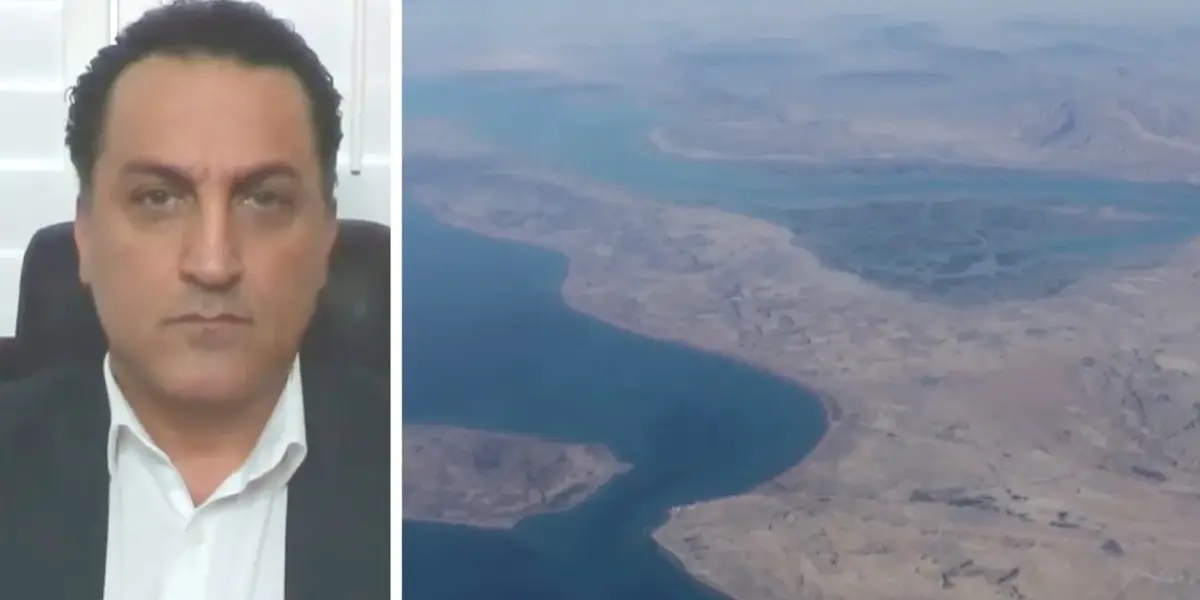
Political analyst Babak Shekarabi argues that Iran's ruling regime is fundamentally incapable of changing its core nature. He notes that the government remains in charge, and the fractured Iranian populace lacks a clear, unified leader to rally behind. This analysis suggests a difficult path forward for the country.

Iran’s Regime Unchanged: Analyst Sees No Path Forward
Political analyst Babak Shekarabi believes Iran’s government is unable to change its fundamental nature. He spoke recently about the country’s current situation, suggesting that despite hopes for a reset, the ruling regime remains in control. This lack of fundamental change presents significant challenges for the Iranian people.
A Regime Stuck in Its Ways
President Trump had suggested a possible reset for Iran, but Shekarabi disagrees. He stated that the current leadership is still firmly in charge. This means the core issues within the country are unlikely to be addressed by the existing power structure. It’s like trying to get a stubborn old car to run like new without fixing the engine; the basic parts are still the same and prone to the same problems.
Shekarabi’s view implies that any outward appearances of change might be superficial. The underlying system, he argues, has not been altered. This perspective suggests that expecting a significant shift in policy or behavior from the Iranian regime might be unrealistic.
A Divided Populace Seeks a Leader
The situation is made more complex by the lack of a clear, unified opposition leader. Shekarabi pointed out that the Iranian people are unsure who to support. The United States has not officially backed Reza Pahlavi, a prominent figure in the opposition movement. Without a clear figurehead, the fractured population struggles to find common ground and rally behind a single cause.
This division makes it harder for any movement seeking change to gain momentum. When people don’t know who to trust or follow, their energy can become scattered. It’s similar to a sports team where players aren’t sure of the coach’s strategy; they might play hard, but without clear direction, they won’t win.
Historical Context of Iranian Politics
Understanding Iran’s current political climate requires looking back at its history. The 1979 revolution brought an end to the monarchy and established the Islamic Republic. Since then, the country has experienced periods of internal unrest and international tension. The current leadership has been in power for decades, creating a deeply entrenched system.
Throughout its history, Iran has faced challenges in balancing tradition with calls for modernization and reform. The struggle between different factions within the government and society has often led to instability. Shekarabi’s analysis suggests that this historical pattern of resistance to fundamental change continues today.
Why This Matters
The ongoing political situation in Iran has significant implications, not just for its citizens but for regional and global stability. If the regime is indeed unable to change its core nature, then the prospect of peaceful internal reform remains dim. This could lead to continued internal dissent and potential escalation of tensions.
For the people of Iran, the lack of a clear leader and the regime’s inflexibility mean a continued struggle for basic freedoms and improved living conditions. For the international community, it means dealing with a state that may not be open to diplomatic solutions or significant policy changes. The analyst’s perspective highlights the deep-seated nature of the challenges Iran faces.
Trends and Future Outlook
The trend indicated by Shekarabi’s analysis is one of persistent political rigidity. If this holds true, future efforts aimed at influencing Iran’s behavior or fostering internal change will need to account for this deep-rooted resistance. The fractured state of the opposition further complicates any outlook for a swift transition.
Moving forward, the key questions will be whether external support can coalesce a unified opposition or if internal pressures will eventually force the regime to adapt. However, based on Shekarabi’s assessment, the regime’s fundamental character, its ‘DNA,’ remains a significant barrier to any easy solutions. The path ahead for Iran appears to be one of continued struggle, both internally and in its relations with the outside world.
Source: Iranian Regime Not Able To 'Change Its DNA': Political Analyst (YouTube)

Related Articles

Mayor’s First 100 Days: Radical Promises Spark Tax Hikes
Mayor Zohran Mamdani's first 100 days are marked by radical promises, particularly a push for significant tax hikes on the wealthy and middle class. Critics question his leadership and alleged anti-American stance, citing controversies like the scaled-back Times Square anniversary event.


Trump’s “Low IQ” Attacks Backfire on Ex-Allies
Former President Donald Trump's insults targeting ex-allies like Tucker Carlson and Alex Jones have backfired, sparking sharp criticism and revealing divisions within the MAGA movement. Figures like Candace Owens suggested it's 'time to put Grandpa in a home,' while analysts point to the shifting dynamics and the growing influence of cultural engagement in politics.


MAGA’s Fury: Trump’s Iran Deal Sparks Backlash
Donald Trump's recent dealings with Iran have sparked significant anger and confusion within the MAGA movement. Supporters feel their leader has appeared weak, breaking campaign promises and failing to address the threat from Iran decisively.