Iran’s Regime Survives Military Blows, Eyes Diplomacy
Iran's regime has shown resilience despite military setbacks, retaining control of the Strait of Hormuz. This situation forces the U.S. to consider diplomatic solutions alongside continued military action. The conflict impacts global energy markets and U.S.-China relations.

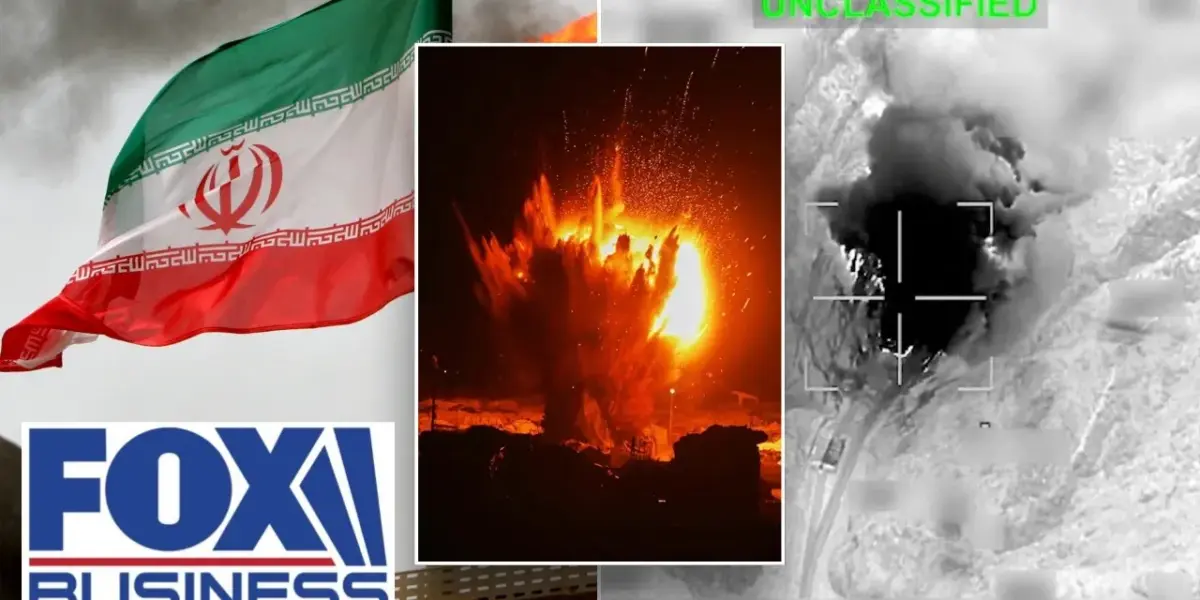
Iran Regime Withstands Military Setbacks, Seeks Diplomatic Path
Despite significant military losses, Iran’s regime has surprisingly maintained control, particularly over the vital Strait of Hormuz. This resilience presents a complex challenge for the United States, pushing President Trump to weigh further military action against diplomatic solutions. The situation highlights the enduring nature of the U.S.-Iran conflict, which has spanned nearly five decades.
A Troubled History and Shifting Alliances
The United States has a long and difficult history with Iran’s government, dating back to the late 1970s. Over the years, Iran has been linked to the deaths of many Americans in regions like Lebanon, Iraq, and Syria. This history has fostered a deep-seated distrust, making negotiations challenging.
According to former U.S. Ambassador to China, Nicholas Burns, who also served as Ambassador to NATO, the U.S. military has performed exceptionally well in the recent conflict. “We dominate the air and the waterways, we destroyed their navy and air force,” Burns stated. However, he noted that the Iranian regime has, “unfortunately survived this.” This survival is largely due to their continued control over the Strait of Hormuz, a critical global oil shipping route.
The Strait of Hormuz: A Strategic Chokepoint
Control of the Strait of Hormuz is a powerful bargaining chip for Iran. The transcript points out that Iran is holding the Strait “hostage, like a mafia boss.” Disruptions here can significantly impact global economies, hurting allies like the UAE, Saudi Arabia, and Kuwait more than the U.S. directly. The U.S. military’s initial success in degrading Iran’s naval and air capabilities has been undermined by this continued control.
NATO’s Role and Limitations
The role of NATO in the current conflict with Iran has been called into question. Burns, drawing on his experience as Ambassador to NATO following the 9/11 attacks, explained that NATO is primarily a defensive alliance. “In this case, in Iran, no one was attacked. None of the NATO allies have been attacked,” he said. The U.S. initiated this conflict as a “war of choice,” and President Trump did not consult NATO allies beforehand.
This lack of consultation makes it difficult for NATO members, who face domestic opposition to the war, to commit their forces. While NATO remains valuable when the U.S. is attacked, its direct involvement in a conflict initiated by the U.S. without allied input is limited. The U.S. has indicated that mine-sweeping operations have abated, suggesting some success in mitigating immediate naval threats.
Iran’s Strategy: A War of Attrition
Iran’s leadership appears to believe they can win a prolonged conflict by making it too costly for their adversaries. Their strategy involves inflicting significant economic damage and leveraging their control over the Strait of Hormuz. Despite military defeats, Iran still possesses ballistic missiles and drones, which they have used to strike targets, including launches into Kuwait.
This approach aims to wear down opponents until they lose the will to continue the fight. “The leader’s logic is coil but calculate is, make the war so costly for everyone, that no one wants to start another,” the article explains, referencing an opinion piece in The New York Times.
The Path Forward: Diplomacy and Force
Given Iran’s resilience and strategic position, the U.S. faces a critical decision. Burns suggests a two-pronged approach: continue military actions while actively pursuing a diplomatic solution. The goal is to convince Iranian leaders that a ceasefire, without control of the Strait of Hormuz, is in their best interest.
The transcript mentions that diplomacy is occurring, even if not through direct face-to-face meetings. Messages are being exchanged, which is seen as a crucial step. “We’re not meeting face-to-face as I understand it but messages are being passed, that is a negotiation that is important place for us to exhaust diplomacy before we go do a more serious option like American ground troops in Iran,” Burns stated. This emphasizes the desire to avoid escalating to a full-scale invasion with U.S. ground troops.
Implications for U.S.-China Relations
The ongoing conflict also has implications for U.S.-China relations. A planned meeting between President Trump and Chinese President Xi Jinping in May has been delayed. Burns believes such a meeting would only be possible if the conflict in Iran has concluded. “I don’t think it would be possible for the President to go if the conflict continues in mid May,” he noted.
When the time is right, however, leaders need to meet to manage the significant differences and competition between the two global powers, aiming to maintain peace. The current conflict underscores the complex geopolitical landscape that influences international relations and economic stability.
Market Impact
The ongoing tensions in the Strait of Hormuz have a direct impact on global oil prices and supply chains. Any escalation or prolonged conflict could lead to increased volatility in energy markets. Investors should monitor developments in the region closely, as they can influence inflation, transportation costs, and overall economic growth. The U.S. military’s ability to secure this vital waterway remains a key factor for market stability. Additionally, the diplomatic efforts play a crucial role in de-escalating potential economic shocks.
What Investors Should Know
Investors should be aware of the geopolitical risks associated with the Middle East, particularly concerning energy supplies. The situation in Iran highlights the potential for disruption that can affect global markets. While military actions have degraded Iran’s conventional forces, their control over the Strait of Hormuz remains a significant threat to economic stability. The pursuit of diplomatic solutions is a positive sign for mitigating these risks. Diversification of energy sources and careful monitoring of geopolitical events are prudent strategies for investors navigating this uncertain environment.
Source: Iranian regime has ‘UNFORTUNATELY’ survived this destruction: Former ambassador (YouTube)

Related Articles


Gulf Allies Urge Trump to Continue Iran Conflict
U.S. allies in the Persian Gulf are urging President Trump to intensify military action against Iran, believing Tehran has not been sufficiently weakened. The ongoing conflict raises concerns about regional stability and global energy prices, while questions linger about the administration's long-term strategy.

Jet Fuel Shockwaves: Airlines Warn of Fare Hikes, Flight Cuts
Rising jet fuel prices, driven by conflict in the Strait of Hormuz, are forcing airlines to warn travelers of higher fares and fewer flights. This comes as TSA lines ease, but worker pay remains uncertain, highlighting broader instability.


Middle East Conflict Sends Gas Prices Soaring Past $4
The national average gas price has surpassed $4 per gallon for the first time since 2022, driven by escalating conflict in the Middle East. Recent attacks on oil tankers and military strikes have heightened fears of energy supply disruptions, impacting consumers globally.