Iran’s Regime Loses Grip Amidst Escalating Gulf Attacks
Iran's regime is reportedly losing centralized control, with individual military units acting autonomously amidst escalating attacks across the Gulf. This breakdown in command, coupled with internal power struggles, fuels regional instability and disrupts vital shipping lanes, posing significant economic and security challenges.

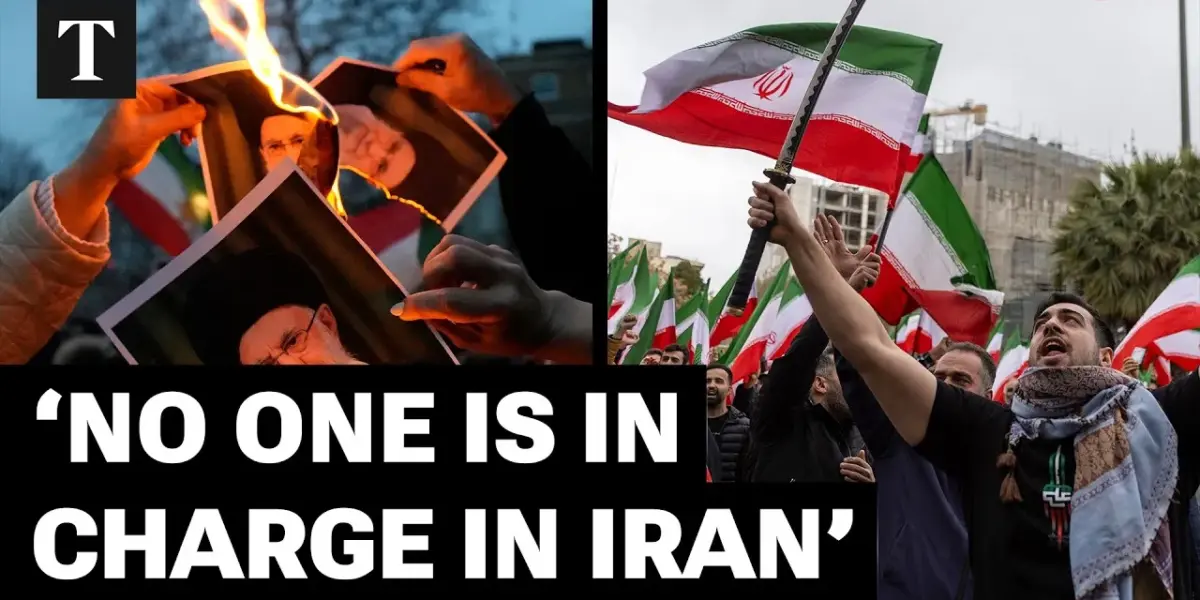
Iran’s Command Structure Fractures Amid Regional Conflict
In a rapidly evolving geopolitical landscape, Iran’s regime appears to be losing centralized command, with individual military units acting on their own initiative amidst escalating attacks across the Persian Gulf. The interim leadership council, tasked with governing the nation after the Supreme Leader’s death, is reportedly weak and plagued by internal power struggles, leaving a vacuum at the top. This breakdown in command and control is leading to uncoordinated strikes against regional and international targets, raising fears of wider conflict.
Escalating Attacks Disrupt Vital Gulf Shipping Lanes
The ongoing conflict has seen a significant increase in Iranian missile and drone attacks targeting strategic locations throughout the United Arab Emirates and Saudi Arabia. Attacks on Fujairah, a crucial port and oil loading terminal outside the Strait of Hormuz, highlight Iran’s efforts to disrupt global energy supplies. While Iran may lack the capacity to militarily blockade the Strait, its actions are creating a palpable sense of danger for commercial shipping. Insurers are canceling policies, and cargo companies are rerouting vessels, effectively turning the vital waterway into a high-risk zone due to the threat of Iranian aggression. This has led to significant economic consequences, with oil and gas prices already experiencing volatility.
“I’m not sure anyone is giving the orders at this point really… I think command and control has broken down to some extent. I think what remains of the regime doesn’t have direct control over every individual unit in the field.”
Internal Power Struggles and Uncoordinated Military Actions
The absence of clear leadership within Iran is a central theme. Figures like Ali Larijani and Muhammad Qalibaf, the speaker of parliament, are reportedly vying for power, but no single individual appears strong enough to assert control. This infighting is believed to have seeped into the military, with reports suggesting that Iranian units are acting autonomously. The Economist’s Middle East correspondent, Greg Carstrom, based in Riyadh, noted that the regime’s inability to control its forces is likely responsible for seemingly random drone crashes into civilian targets across the Gulf. This lack of unified command presents a dangerous unpredictability in Iran’s military posture.
Saudi Arabia Shifts Stance Amidst Iranian Aggression
Saudi Arabia, initially hesitant to engage in a wider conflict, is reportedly growing increasingly furious with Iran’s persistent attacks. While the Kingdom urged the Trump administration against military escalation prior to the current crisis, recent strikes on Saudi oil facilities and the US embassy in Riyadh have prompted a significant shift. Officials in Riyadh now feel “dragged into this war by the Iranians against our will” and are contemplating a more active role. This could include allowing the US to use Saudi bases for strikes against Iran or even direct Saudi military involvement. The concept of “active defense,” which involves preemptive strikes against Iranian missile launchers and drone bases, is being seriously considered as a means to protect the Kingdom and its allies.
Potential for Saudi and Gulf State Involvement
While the deployment of Saudi ground troops in Iran is considered unlikely, especially without a US presence, a more assertive posture is anticipated. The Saudis and other Gulf states may begin carrying out strikes within Iran to neutralize immediate threats. Such actions would likely be framed as necessary for public safety and could garner significant domestic support, given the widespread anger over incoming attacks.
The Dilemma for Gulf States and Western Allies
Iran’s strategy appears to be predicated on pressuring Gulf states to seek a cessation of hostilities from the United States. However, this presents a complex dilemma. While the immediate costs of the conflict—including casualties, suspended airline operations, and multi-billion dollar economic losses—are mounting, capitulating to Iran’s pressure could have long-term consequences. A premature end to the conflict without addressing the Iranian regime’s behavior could embolden Tehran, leading to even more aggressive actions in the future. This has led some to argue for enduring the current “short-term pain” to achieve the longer-term goal of a less hostile regional environment.
Uncertainty Surrounds US Strategy and Endgame
Concerns are mounting regarding the clarity and coherence of the US strategy under President Trump. Reports suggest a lack of a clear endgame, with shifting objectives ranging from striking a deal to regime change and degrading Iran’s military capabilities. There is speculation that the US might opt for a limited conflict, leaving behind a destabilized Iran that remains a problem for regional actors and its own populace, rather than achieving a lasting resolution. The expectation of finding an internal Iranian faction willing to collaborate with the US has thus far proven unfounded.
European Nations Face Pressure to Increase Involvement
The UK and other European countries are grappling with the challenge of avoiding entanglement in what is perceived as an “aimless war” while simultaneously confronting threats to their own interests. Rising oil and gas prices, the inability of hundreds of thousands of British and European citizens to leave the Gulf region, and significant economic ties are creating pressure to increase involvement. Gulf states are reportedly pushing for greater European participation in their defense, potentially including strikes inside Iran to disrupt its offensive capabilities. The UK, France, and other allies are expected to face increasing calls to step up their engagement.
Looking Ahead: A Fragile Regional Balance
The coming days and weeks will be critical in determining the trajectory of the conflict. The potential for Saudi Arabia to formally align itself with the US-led coalition, the effectiveness of any “active defense” measures, and the response of European powers to mounting pressure will all be key factors. The fractured command structure within Iran adds a layer of unpredictability, while the lack of a clear US endgame leaves the region in a state of heightened uncertainty and potential instability.
Source: Iranian Regime Loses Command As Individual Guards Act On Their Own Initiative (YouTube)

Related Articles

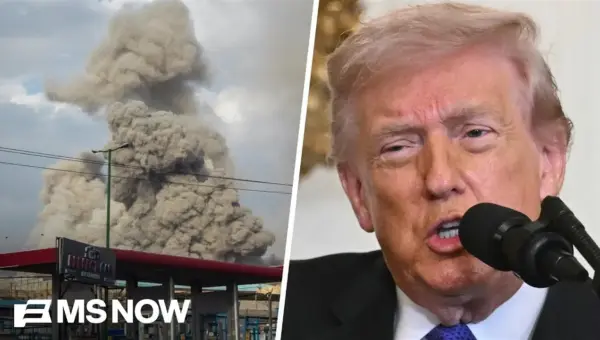
Rep. Crow Slams “Madness” of Iran Strikes, Questions Justification
Rep. Jason Crow (D-CO) expressed strong criticism of the recent U.S. strikes on Iran, labeling the administration's justifications as "madness" and "changing by the hour." Citing a lack of evidence for an imminent threat, Crow emphasized the critical need for Congress to reassert its war powers and hold the administration accountable for escalating regional tensions and the potential human and economic costs.
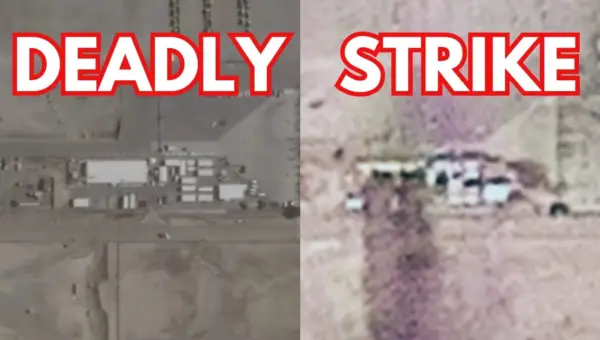
US War with Iran: Escalation, Shifting Justifications, and Regional Chaos
Operation Epic Fury, the US and Israeli war with Iran, is escalating with mounting casualties and regional spread. Controversial statements reveal the US may have initiated strikes due to anticipated Israeli action and subsequent Iranian retaliation, while justifications for the war continue to shift.

Iran’s Leadership Decimated: A Strategic Strike or Escalation?
Reports indicate a devastating strike on Iran's leadership and military infrastructure, raising questions about strategic objectives and escalating conflict. The potential for Iran to possess nuclear weapons adds a critical layer of urgency.