Iran’s Regime: A Stubborn Threat to Global Order
Iran's current regime is compared to a persistent cancer, challenging the global order and unlikely to become a peaceful neighbor. While state media showcases support, half the population opposes the government and faces severe risks for dissent. This internal division and external challenge create a complex and uncertain future.

Iran’s Regime: A Stubborn Threat to Global Order
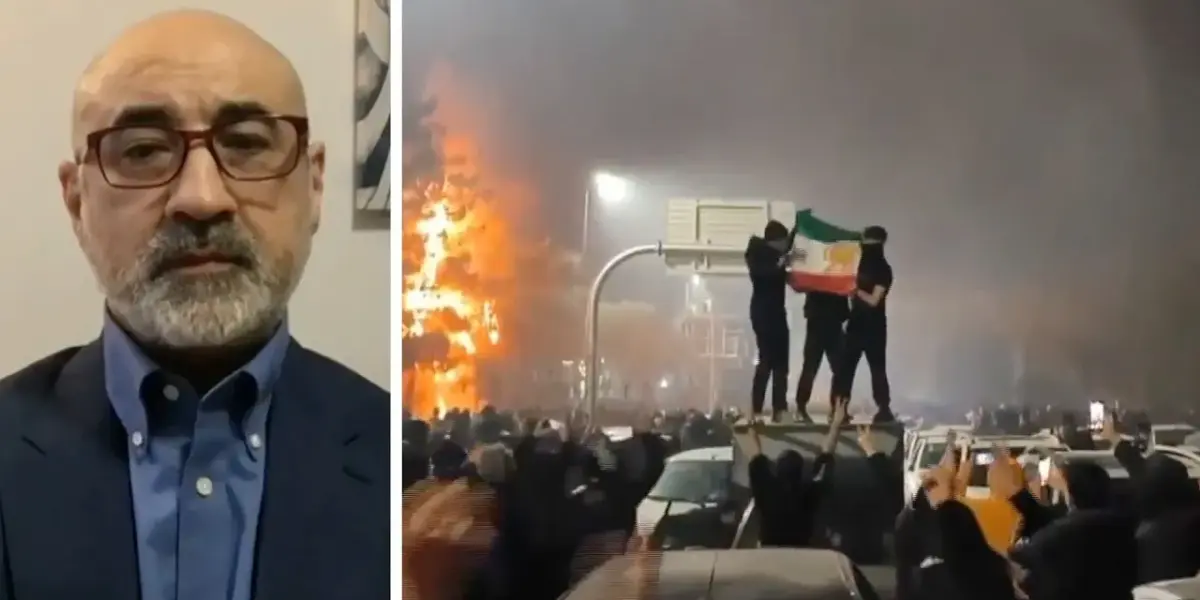
Some experts compare Iran’s current government to a stage four cancer. They believe it’s a threat that keeps coming back, no matter what attempts are made to stop it. This view suggests Iran will never become a peaceful partner in the Middle East. The question is, what does a better future for Iran look like, and who should be in charge?
Challenging the World Order
From the viewpoint of Western nations, especially the United States, Iran’s government acts like a cancer. It fundamentally challenges the international system the U.S. helped build after World War II. For decades, since the 1979 revolution, Iran has seen itself as being at war with the United States. This is because Iran occupied the U.S. Embassy, attacked American soldiers, and has tried to destroy Israel, a U.S. ally.
Many have suggested intervening quickly to stop Iran from growing stronger. However, Iran has been allowed to build up its military power. It has advanced its missile and nuclear programs to a point where completely eliminating these threats is very difficult. Experts believe Iran, under its current leadership, will not be a peaceful neighbor in the Middle East.
Inside Iran: A Divided Nation
Reports suggest that some Iranians want the bombing campaigns to continue. Meanwhile, the regime has reportedly killed thousands of its own citizens this year. Yet, some Iranians are celebrating ceasefires, waving the country’s flag. So, what is it really like inside Iran, and what do the people want?
It’s important to see the Iranian people not as one single group. Instead, they can be divided into three main parts. About 15% to 20% of the population supports the current regime. Some of these are true believers in the government’s ideas. Others depend on the regime for their jobs and way of life.
On the other side, about 30% of people are not interested in politics. They likely don’t follow or participate in political matters. This leaves about 50% of the population who oppose the regime. These individuals want to live in a freer, more democratic country.
Supporters and Opponents
The pro-regime supporters are organized and encouraged by the government. They are often shown in state-controlled media. On the other hand, Iran is a tightly controlled authoritarian country. It does not allow public protests or demonstrations against the government. Therefore, opposition is rarely seen on the streets.
When protests do happen, they are often met with harsh responses. For example, earlier this year, thousands of protesters were reportedly killed. Verified death tolls are in the thousands, and the actual number is likely much higher. So, when we talk about the Iranian people, we see a small group supporting the regime and a larger group opposing it.
This opposing group cannot express their views freely. Doing so is very dangerous, as they risk being killed, jailed, or put on trial for treason. Much of what is heard in the West is filtered by what is allowed inside Iran. This can create a one-sided picture, showing only those who appear happy with the government.
It is a difficult situation, with tens of thousands of opposition members reportedly killed in a country of 100 million people. If roughly half the population disagrees with the current government, they could face severe consequences as events continue to unfold.
Why This Matters
Understanding the internal dynamics of Iran is crucial for global stability. The regime’s actions, driven by its ideology and perceived conflict with the West, have far-reaching consequences. Its pursuit of nuclear capabilities and regional influence directly impacts international security and alliances.
The stark division within the Iranian population highlights the potential for future instability. The government’s suppression of dissent, while maintaining an image of popular support, creates a complex challenge for external actors trying to engage with the country. The desire for a democratic and secular future, held by a significant portion of the population, remains a powerful undercurrent.
Implications and Future Outlook
The current situation suggests a continued struggle between the Iranian regime and the international community, particularly the United States. The regime’s persistent challenge to the existing world order, coupled with its military advancements, means that tensions are likely to remain high. The possibility of Iran becoming a peaceful regional partner under its current leadership appears remote.
For the Iranian people, the future holds uncertainty. The divide between regime supporters and opponents, and the severe risks faced by those who express dissent, paint a grim picture. The desire for freedom and self-determination is strong, but the path to achieving it is fraught with danger.
The international community faces a difficult choice: how to address the threat posed by Iran’s regime without further alienating its population or triggering wider conflict. The hope for a more democratic and peaceful Iran rests on the aspirations of its people, but their ability to express these aspirations is severely limited by the current government’s authoritarian grip.
Historical Context
Since the 1979 revolution, Iran has been in a state of ideological and geopolitical conflict with the United States and its allies. This conflict has manifested in various ways, including proxy wars, diplomatic standoffs, and Iran’s pursuit of advanced military technologies. The U.S. has viewed Iran’s actions as a direct challenge to its influence and the established international order.
The history of U.S.-Iran relations is marked by deep mistrust and competing interests. The current regime’s commitment to its revolutionary ideals and its opposition to Western influence continue to shape its foreign policy and domestic control. This long-standing dynamic provides the backdrop for understanding the current challenges and the potential future trajectories for Iran and the region.
Source: Israel Initiating Peace Talks With Lebanon (YouTube)

Related Articles


Artemis II Astronauts Safely Return to Earth
The Artemis II crew safely returned to Earth, marking a historic milestone in lunar exploration. Meanwhile, inflation continues to rise amid Middle East tensions, impacting global markets. Developments also emerged in the Bahamas missing person case and a close call at LAX.
US Reclaims Moon Lead with Artemis II Splashdown
The Artemis II mission's successful splashdown marks a significant return for the U.S. in the race for lunar dominance. Echoing Apollo's legacy, the mission showcases American engineering and renewed commitment to space exploration, setting the stage for future lunar endeavors.


Congress Clashes Over Iran: Should US Military Stays or Goes?
Democrats are pushing to limit or end U.S. military operations in Iran, sparking a debate about the nation's role in the region. Experts weigh the risks of withdrawal against the costs of continued engagement, with implications for global stability.