Iran’s Proxies Quiet on US Homeland: A Strategic Puzzle
Despite ongoing conflict, Iran and its proxies have largely refrained from launching major attacks on U.S. soil. This analysis explores the reasons behind this quiet, examining the Houthi movement's reduced activity, the rise of new threats in Europe, and Iran's strategic calculation to pressure the U.S. economically rather than through direct assault.

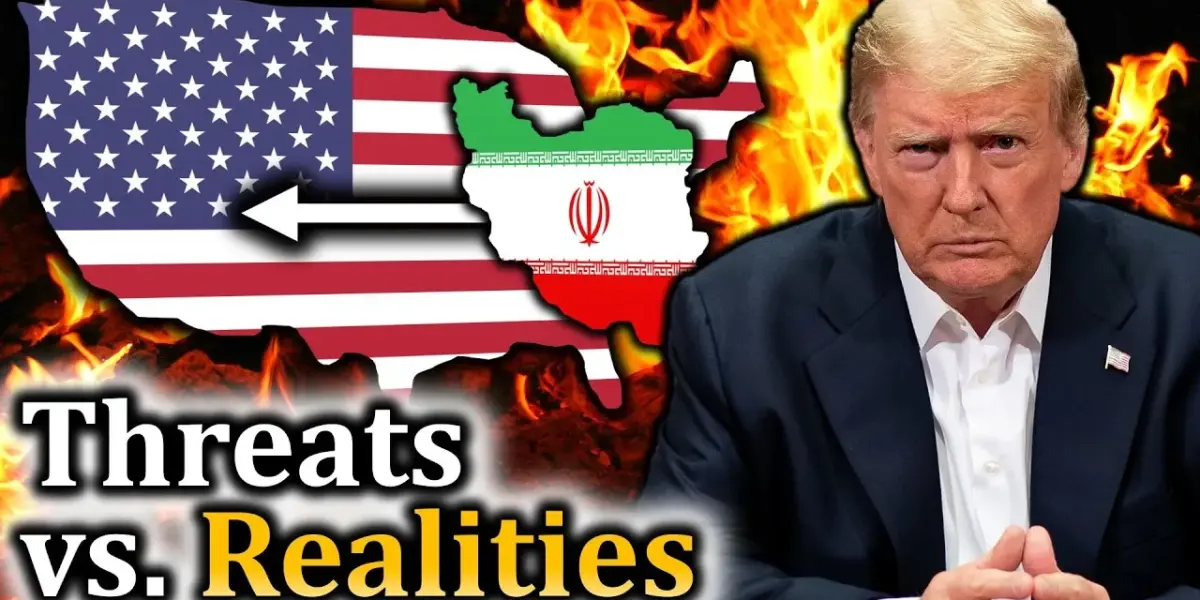
Iran’s Proxies Quiet on US Homeland: A Strategic Puzzle
Despite an ongoing war with Iran, the expected wave of militant attacks against the United States homeland has not materialized. This relative calm, even as anger simmers across the Middle East and beyond, presents a complex strategic puzzle for military analysts and policymakers alike. While lone wolf incidents occur, organized, network-driven assaults on U.S. soil remain notably absent, prompting questions about the motivations and capabilities of Iran and its associated groups.
The Houthi Situation: Muted Actions, Shifting Support
In Yemen, the Houthi movement, previously known for disrupting shipping in the Red Sea, has shown limited recent activity. While they have launched some missiles at Israel and threatened maritime routes, their actions have been described as muted. This subdued posture is largely attributed to a significant shift in their primary patron: Iran.
Less than a year ago, the U.S. conducted airstrikes against the Houthis following their attacks on shipping. Now, the Houthis’ ability to act is constrained. Iran, currently facing direct pressure from the United States, is less able to provide the resupply and support the Houthis relied on. Their current imperative is to conserve ammunition, primarily as a deterrent against potential U.S. or Israeli aggression, rather than launching significant offensive operations.
Historically, groups like the Houthis have used attacks to boost their profile and attract support, both financial and human. However, the current geopolitical climate appears to have altered this dynamic. The loss of reliable support from Iran, even amidst increased public anger in the region, seems to outweigh the potential benefits of aggressive action for the Houthis.
Europe as a New Battleground?
While the U.S. homeland remains largely untouched, Europe has seen a concerning rise in incidents attributed to a new group called Ashab al-Yamin. These attacks, which began in early March, have targeted locations such as synagogues in Belgium and the Netherlands, an apparent attempt on BNY Mellon in Amsterdam, and an incident involving ambulances in London.
European and Israeli officials suspect Iran might be behind Ashab al-Yamin, potentially using the group for plausible deniability. The group’s sudden appearance and the nature of its targets suggest an effort to gain attention during a period of heightened global tension.
The response from European nations has primarily been limited to policing actions. This approach is seen as potentially problematic. If attacks serve as advertisements for militant groups, a lack of significant reprisal allows these groups to operate with reduced risk of blowback. This could make Europe an increasingly attractive target for future actions.
The situation raises complex questions for NATO. Armed attacks within the North Atlantic area could potentially trigger discussions about Article 5, the mutual defense clause of the alliance. This adds another layer of geopolitical complexity to the ongoing conflict.
The U.S. Homeland: Quiet, But Vulnerable
The United States has experienced a notable lack of large-scale militant attacks. However, this quiet period is not necessarily an indicator of future safety. Historical parallels, such as the U.S. military presence in the Middle East during the Gulf War leading to radicalization over a decade later, suggest that threats can emerge over time.
Several vulnerabilities exist. Iran has previously demonstrated the ability to target U.S. facilities, as seen with drone activity over the U.S. embassy in Iraq. This suggests that similar tactics could be employed against more fortified locations. Furthermore, the proximity of the U.S. to Mexico raises concerns about potential collaboration between Iranian entities and Mexican cartels, especially if financial incentives are present.
Domestic Politics and Strategic Calculations
The domestic political landscape in the U.S. also plays a role. A recent partial government shutdown, which affected the Transportation Security Administration (TSA) by delaying paychecks, highlighted the potential for critical infrastructure to be disrupted. This situation created long lines at airports, demonstrating a vulnerability that could be exploited.
Democrats used the funding of the TSA as leverage to restrict the actions of Immigration and Customs Enforcement (ICE). However, this strategy carried significant political risk. An attack on the aviation industry, even if attributed to foreign actors, could be framed by opponents as a direct consequence of the Democrats’ funding decisions, potentially impacting upcoming elections.
Iran’s strategic calculus also appears to be influencing its approach. The current war is largely impacting Americans through economic means, such as rising gas prices. Tehran’s objective is to increase this economic pressure, hoping it will lead to public demand for a change in U.S. policy. Launching high-risk, high-variance attacks on the U.S. homeland could be counterproductive if it galvanizes public support for the current U.S. administration, potentially derailing Iran’s broader strategy.
Therefore, while Iran has the capability and motivation to inflict damage, the current strategic environment may favor a more conservative approach. Reckless actions could backfire, undermining their long-term objectives. The war’s trajectory suggests that Iran might benefit from a less aggressive stance regarding direct attacks on American soil for the time being.
Strategic Implications
The current lack of direct attacks on the U.S. homeland by Iranian proxies is a complex outcome of several factors. Firstly, Iran’s own strategic position, constrained by U.S. pressure, limits its ability to fully support its proxies. Secondly, the Houthis, while capable, are prioritizing ammunition conservation over large-scale operations. Thirdly, the emergence of groups like Ashab al-Yamin in Europe suggests a shift in proxy activity, potentially testing the resolve of European nations and NATO.
For the United States, the relative quiet on the homeland front is a temporary reprieve. Vulnerabilities remain, particularly concerning critical infrastructure and potential cross-border collaborations. Iran’s primary strategy appears to be economic pressure, aiming to influence U.S. public opinion. However, the potential for miscalculation remains, and the possibility of proxy actions, though currently subdued, cannot be dismissed entirely.
Source: Why Aren't Iran and Its Proxies Attacking the U.S. Homeland? (YouTube)

Related Articles


Trump’s ‘Civilization Dies’ Threat Sparks War Crime Fears
Former President Donald Trump's social media threat that "a whole civilization will die tonight" has sparked international outcry, with experts warning of potential war crimes. Analysts question the feasibility of such an attack and its devastating implications for regional stability and international law.

Trump’s Civilization Threat Sparks Global Alarm
President Trump's stark warning of "civilizational destruction" in Iran has ignited global concern, raising questions about diplomatic norms and the potential for wider conflict. As communications break down and military actions escalate, the world watches anxiously for de-escalation or further confrontation.


Moon Mission Sparks New Space Race Era
The Artemis II mission's return from the Moon marks a new era in space exploration, potentially sparking a modern space race. The mission provided new scientific data and breathtaking views, while also highlighting the inherent risks of deep space travel. This renewed focus on lunar exploration has significant geopolitical and economic implications for global powers.