Iran’s President Rejects Unconditional Surrender Amid Tensions
Iranian President Massud Peshkan has apologized to neighboring countries, stating Iran will not attack unless provoked. This comes as US President Trump demands unconditional surrender and warns of severe retaliation.

Iran’s President Rejects Unconditional Surrender Amid Tensions
Tehran, Iran – In a significant shift of rhetoric, Iranian President Massud Peshkan has extended apologies to neighboring nations, stating that his country will refrain from offensive actions unless its territory is first used as a staging ground for attacks against Iran. This conciliatory gesture comes amidst heightened geopolitical tensions and a firm stance from the United States, with President Trump reiterating demands for unconditional surrender from the Iranian regime.
US President Trump’s Firm Stance
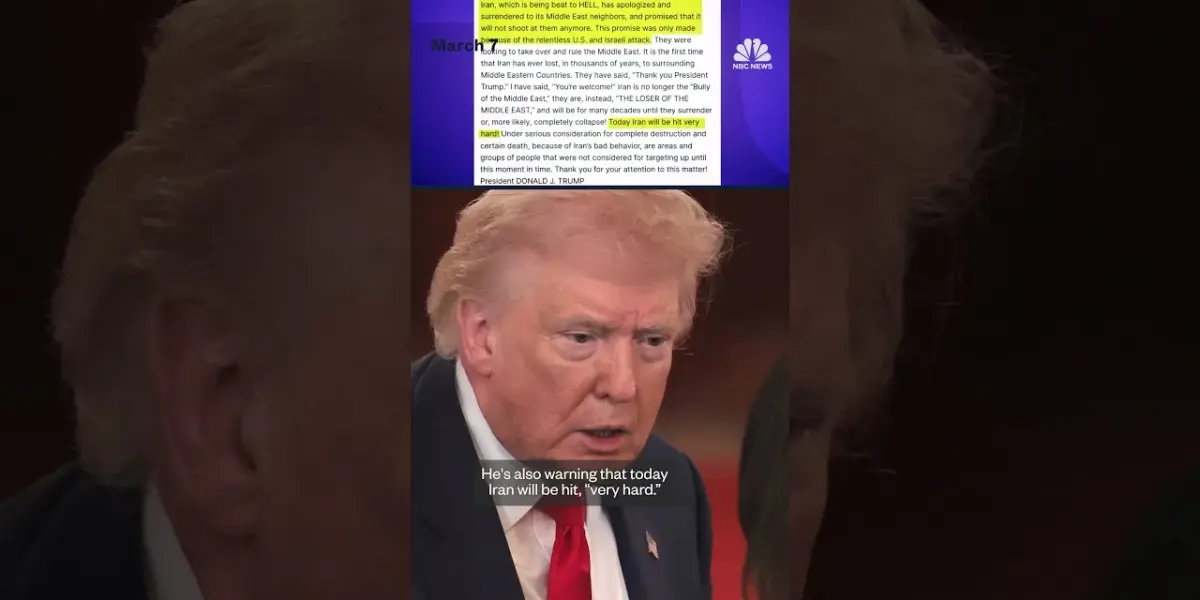
President Trump took to social media platform True Social this morning to address the developing situation. He asserted that the Iranian president’s apologies to Middle Eastern neighbors are a direct consequence of what he described as relentless attacks from the United States and Israel. Trump further warned that Iran would face severe repercussions, stating, “today Iran will be hit quote very hard.”
The US President reiterated his administration’s non-negotiable position, declaring, “no deal with Iran except unconditional surrender.” This hardline stance underscores the ongoing confrontation between the two nations, with the US seeking to compel Iran to abandon its regional activities and nuclear ambitions through maximum pressure.
President Peshkan’s Defiant Response
President Peshkan, in his response to the US demands, conveyed a resolute message of defiance. He directly addressed the prospect of unconditional surrender, stating, “they will take their dream to the grave if they think we will surrender unconditionally.” This statement highlights Iran’s determination to resist what it perceives as an existential threat to its sovereignty and its refusal to bow to external pressure without a fight.
Shifting Regional Dynamics
President Peshkan’s apology to neighboring countries signals a potential recalibration of Iran’s regional policy, possibly aimed at de-escalating tensions and building bridges in a volatile Middle East. While the specific motivations behind this shift remain under scrutiny, it could be interpreted as an attempt to isolate the US narrative or to reduce the number of active fronts in a complex geopolitical landscape. The statement implies a willingness to engage in dialogue and to seek diplomatic solutions, provided that Iran’s national security interests are respected.
The acknowledgement of potential Iranian provocation towards its neighbors, coupled with the condition of territorial integrity, suggests a nuanced approach to regional security. It positions Iran as a reactive force rather than a primary aggressor, a narrative that may be intended to garner international sympathy or to counter accusations of destabilizing regional activities. However, the effectiveness of this diplomatic overture will likely depend on the tangible actions that follow and the response from both regional players and global powers.
Broader Implications and Future Outlook
The exchange between President Trump and President Peshkan encapsulates the deep-seated animosity and strategic impasse that characterize US-Iran relations. While the US continues to press for complete capitulation, Iran remains steadfast in its refusal to compromise its core interests. This standoff has significant implications for regional stability, international oil markets, and the global fight against terrorism.
The coming days will be critical in observing whether President Trump’s warning of a forceful response materializes and how Iran retaliates. The international community will be watching closely to see if President Peshkan’s conciliatory remarks are followed by de-escalatory actions or if the cycle of confrontation escalates further. The potential for miscalculation remains high, and the diplomatic channels, though strained, will be crucial in navigating this perilous period.
The path forward is uncertain, with both sides entrenched in their positions. The key questions will be whether diplomacy can find a foothold amidst the rhetoric of war and whether the regional apologies signal a genuine shift in Iran’s foreign policy or a tactical maneuver in a high-stakes geopolitical game.
Source: Iran's president rejects unconditional surrender (YouTube)

Related Articles

War Games: How Memes Mask a Catastrophic Iranian Conflict
A critical analysis of the current Iranian conflict, exposing how the Trump administration's use of memes and perceived detachment trivializes the human cost. The piece questions the necessity of the war, highlights geopolitical manipulation, and examines the severe economic impact on American families.
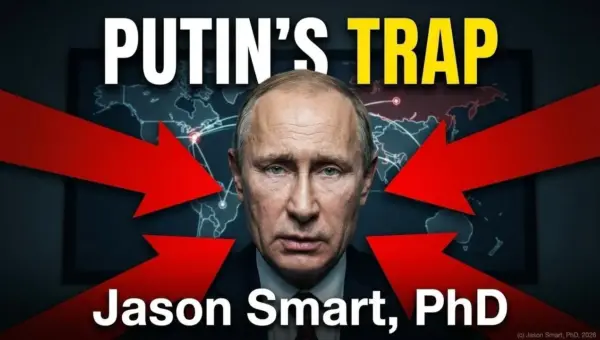
Russia’s Global War Falters: Putin Faces Mounting Crises
Russia's war in Ukraine is revealed as part of a larger global conflict, with Moscow facing internal instability and economic strain. Facing mounting pressures, the Kremlin is employing distraction tactics and seeking unreliable allies, while its strategic miscalculations have led to significant global ramifications.
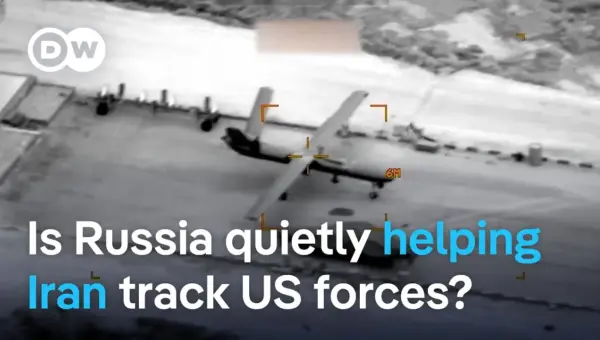
Russia Shares US Military Data With Iran, Reports Suggest
Reports suggest Russia is sharing U.S. military intelligence with Iran, potentially enhancing Tehran's targeting accuracy and surveillance capabilities. Analysts note this intelligence exchange, while difficult to prove, is facilitated by existing military cooperation treaties between Russia and Iran. The U.S. has stated it is not concerned, possibly to avoid further escalation amidst existing global commitments.