Iran’s Power Vacuum Complicates US Diplomacy
The United States struggles to engage Iran diplomatically due to the country's unclear leadership structure and internal chaos. China's significant role in Iran's oil market further complicates international efforts to influence Tehran's actions, particularly concerning the vital Strait of Hormuz.

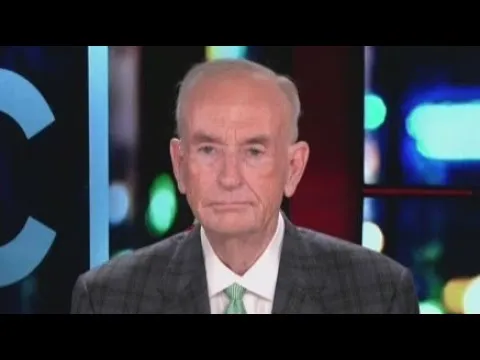
Iran’s Internal Divisions Hamper US Diplomatic Efforts
The United States faces a complex challenge in its dealings with Iran due to the country’s unclear leadership structure. This internal disarray makes it difficult for American officials to establish a clear path for dialogue and negotiation. The U.S. wants to talk with Iran to address issues important for global peace, but finding a single, authoritative figure to engage with proves to be a significant obstacle.
Internal Chaos and the Revolutionary Guard’s Influence
On the Iranian side, the situation is described as undefined chaos. Reports from the ground are scarce, and it’s hard to know who truly holds power. Many key figures are reportedly in hiding, and some have been assassinated, making it difficult to assess the true state of affairs within the country. The Islamic Revolutionary Guard Corps (IRGC) appears to be a dominant force, particularly in controlling military actions like missile and drone launches in the Strait of Hormuz. However, even the IRGC might be facing limitations, potentially running out of ordnance soon.
China’s Growing Role in Iran’s Oil Market
China plays a crucial role in Iran’s economy, especially concerning oil exports. The United States has previously sought to limit Iran’s oil sales to China. This dynamic is particularly relevant as President Trump prepared for a visit to China in mid-May. The U.S. objective was to reduce Iran’s oil revenue, which could impact the regime’s ability to fund its activities. However, China’s demand for oil, including from Iran, creates a significant economic factor that complicates U.S. policy.
The Strait of Hormuz: A Point of Contention
The Strait of Hormuz remains a critical chokepoint for global oil transportation. The fact that the Iranian regime still controls this vital waterway, while allowing certain non-American ships to pass, presents a mixed signal. While it might be seen by some as a sign of stability or a concession, it also highlights the regime’s continued grip on a strategically important region. This situation adds another layer of complexity to international relations concerning Iran.
Dialogue in Pakistan: A Potential Diplomatic Venue
The United States has expressed a desire to hold discussions with Iran, with Pakistan being a potential location for these talks. American officials were reportedly ready to engage in dialogue in Pakistan, aiming to secure what the U.S. considers necessary for world peace. This indicates a willingness from the U.S. to find diplomatic solutions, even amidst the internal complexities of the Iranian government and the broader geopolitical tensions.
Global Impact: Navigating a Fragmented Power Structure
The fragmented nature of Iranian leadership presents a significant challenge for international diplomacy. It means that agreements or understandings reached with one faction might not be honored by another. This lack of a clear chain of command makes long-term strategic planning and reliable communication difficult for global powers like the United States. The situation also creates opportunities for other actors, like China, to exert influence by engaging with whichever Iranian entities are most receptive or powerful at a given moment. The control over the Strait of Hormuz remains a persistent concern for global energy security, as any disruption could have widespread economic consequences. The U.S. strategy to isolate Iran economically through sanctions, particularly by limiting oil exports, faces hurdles due to countries like China that continue to import Iranian oil, providing essential revenue for the Iranian government.
Historical Context: Decades of Tense Relations
U.S.-Iran relations have been strained for decades, particularly since the 1979 Iranian Revolution. The current difficulties in establishing dialogue are rooted in this long history of mistrust and differing strategic interests. Past attempts at negotiation have often been complicated by internal political shifts within Iran and external pressures. The focus on oil and strategic waterways like the Strait of Hormuz has been a constant element in this complex relationship, with both sides seeking to protect their economic and security interests.
Economic Leverage and Future Scenarios
Economic factors, such as oil sales and potential sanctions, are key tools in the geopolitical maneuvering between the U.S. and Iran, as well as involving other major players like China. The U.S. aims to use economic pressure to influence Iran’s behavior, while Iran seeks to maintain its oil revenue streams. China’s role as a major importer of Iranian oil provides Iran with a crucial economic lifeline, challenging U.S. efforts to isolate the country. Looking ahead, several scenarios are possible. One is a continued state of diplomatic stalemate, with ongoing low-level tensions and economic pressure. Another is the eventual emergence of a more unified leadership in Iran, which could open new avenues for negotiation, though this remains uncertain. A third scenario involves increased regional instability, potentially driven by miscalculations or escalations involving the IRGC and its military capabilities.
Source: No clear leader in Iran for US to negotiate with: Bill O’Reilly | CUOMO (YouTube)

Related Articles
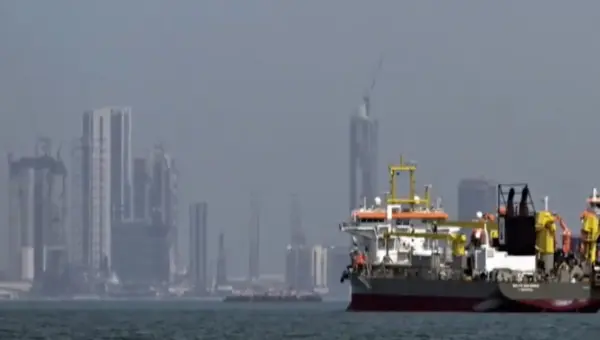
Iran Blocks China Ships, Exposing Beijing’s Weak Grip
Iran's recent decision to block Chinese ships at the Strait of Hormuz is exposing the limits of Beijing's influence in the Middle East. This action is causing delays and cancellations for Chinese manufacturers, turning a perceived geopolitical win into an economic strain.
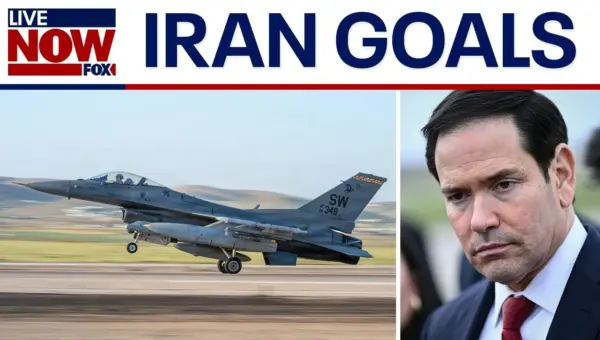
Rubio: US Can Achieve Iran War Goals Without Troops
Senator Marco Rubio outlined a strategy to counter Iran without deploying U.S. ground troops, focusing on weakening the regime and enhancing maritime security. He also criticized Cuba's economic system and expressed concerns about West Bank violence.
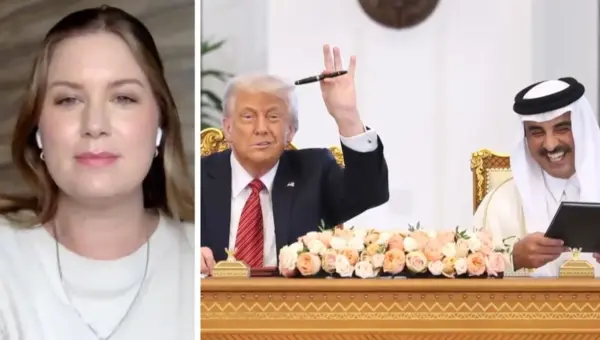
Gulf States Demand Seat at Table on Iran’s Nuclear Future
Gulf states are demanding a seat at the table for any U.S.-Iran talks regarding Iran's nuclear future. This move reflects a growing assertiveness and a desire to shape regional security directly. It signals a potential shift towards more inclusive diplomatic efforts in the Middle East.