Iran’s People Gain Chance to Reclaim Nation
A recent de-escalation between the US and Iran offers a chance for the Iranian people to reclaim their country. An activist highlights the regime's oppression and the US political divide, arguing for supporting internal change. The long-term economic and geopolitical implications, especially regarding oil prices and nuclear capabilities, remain significant.

Iran’s People Gain Chance to Reclaim Nation
A recent de-escalation of tensions between the United States and Iran has created a new opportunity for the Iranian people to take back their country. While the immediate threat of military strikes has passed, the underlying issues remain. The focus now shifts to the internal dynamics within Iran and the long-term implications for regional stability and global energy markets.
US Avoids Direct Military Conflict, Shifts Focus
For a tense period, the world watched closely, unsure if President Trump would order military action against Iran. The possibility of bombing Iran, with the potential to harm its civilization, caused widespread concern. Fortunately, a direct military confrontation was avoided, providing a sigh of relief. However, the Iranian regime remains in power, its military capabilities are still a concern, and its nuclear program’s full extent is unknown. This situation leaves many questioning how the relationship between the US and Iran can improve.
Activist Highlights Regime’s Oppression and US Political Divide
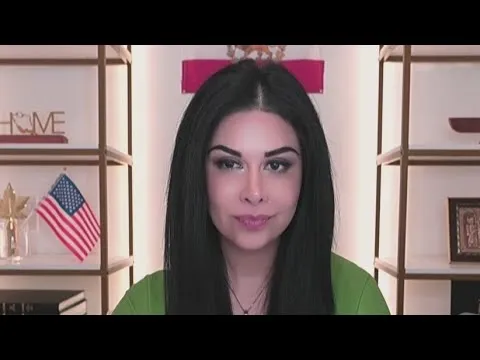
GOLIE, an Iranian-born human rights activist whose family fled Iran after an assassination attempt on her father, joined the discussion. She noted that the Islamic Republic of Iran’s 1979 coup was supported by the Democratic party at the time. GOLIE believes some Democrats today are acting as “useful idiots” for the current Iranian regime. She pointed out that Iranian state media has used social media posts from US politicians like Chuck Schumer and Marjorie Taylor Greene, as well as comedian Jon Stewart, to attack President Trump and defend the regime’s actions. This highlights a deep political divide within the United States regarding how to approach Iran.
Regime Change vs. US Policy: A Complex Debate
The conversation touched on the difference between wanting the Iranian regime to fail and disagreeing with the US government’s methods. While many Americans, particularly those who supported President Trump, are wary of military intervention without congressional approval, the core question is about policy effectiveness. GOLIE argues that President Trump’s statement about the operation being over gave the people of Iran a “once in a lifetime opportunity” to reclaim their country. She believes that the Iranian people and the American people share a common enemy: the Islamic regime that has oppressed Iranians and targeted Americans for decades. This regime is linked to groups like Hezbollah and Hamas, which have been responsible for the deaths of American soldiers.
Economic Ramifications and Future Oil Prices
The potential for conflict with Iran has significant economic consequences, particularly for global oil prices. GOLIE suggests that the current price of oil, though down, has been artificially low due to the suffering of the Iranian people. She warns that if Iran were to acquire nuclear weapons, the global economic impact would be far worse than any current concerns about oil prices. She draws a parallel to 1979, when Iran was an ally of the US and oil prices were lower. GOLIE believes that a future, free Iran could lead to lower oil prices, benefiting global markets, and that President Trump, as a businessman, understands this long-term economic potential.
Historical Context: The 1979 Coup and Shifting Alliances
The 1979 Islamic Revolution in Iran marked a significant turning point in the region. The overthrow of the US-backed Shah and the establishment of the Islamic Republic led to a fundamental shift in Iran’s foreign policy and its relationship with the West. This historical event continues to shape current US-Iran relations, with ongoing debates about the legacy of that revolution and its impact on both countries.
Global Impact: A New Opportunity for Iranian Agency
The current situation, while fraught with uncertainty, presents a unique moment. By avoiding direct military conflict, the United States has indirectly empowered the Iranian people. The activist’s perspective suggests that the focus should be on supporting the internal desire for change within Iran, rather than direct US-led intervention. This approach, if successful, could lead to a more stable and democratic Iran, with positive implications for regional security and global energy markets. The coming months will reveal whether the Iranian people can seize this opportunity to reshape their nation’s future.
Source: Ceasefire allows Iranians another opportunity to take country back: Activist | CUOMO (YouTube)

Related Articles
PM Heads to Gulf Amid Ceasefire Hopes and Strait of Hormuz Concerns
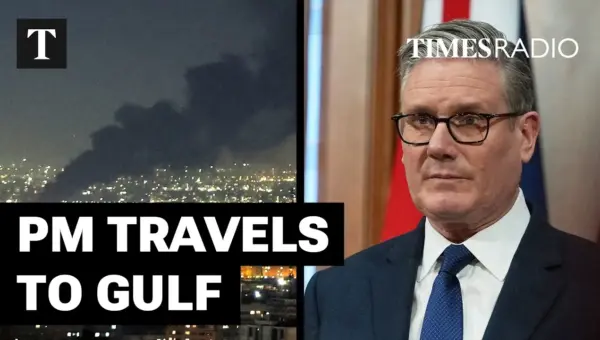
The UK Prime Minister is traveling to the Gulf region following a newly announced two-week ceasefire, aiming to secure a lasting agreement and observe defensive operations. Concerns remain over the details of the ceasefire and the critical Strait of Hormuz, a vital global shipping lane. The visit underscores the UK's commitment to regional stability and international trade.

US Divided on Iran Strategy Amid Regional Tensions
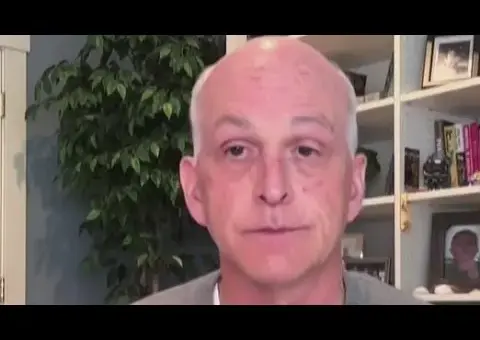
A deep rift in U.S. Congress over Iran policy is evident, with Republicans and Democrats clashing on the effectiveness of military actions and the strategy to curb Iran's nuclear ambitions. This division impacts regional stability and U.S. global standing.
Iran Truce Deal: What’s Next for Middle East Tensions?
Iran, the US, and Israel have reportedly agreed to a conditional two-week ceasefire, which includes reopening the vital Strait of Hormuz. Experts express caution about the truce's longevity, while analyzing its potential impact on Iran's proxies and the political landscape.