Iran’s People Caught in Geopolitical Crossfire
Ordinary Iranians are caught between a repressive government and uncertain international policies. Despite hopes for change, the crackdown on protests and economic hardship continue, leaving many in a difficult situation. The path forward for Iran remains unclear.

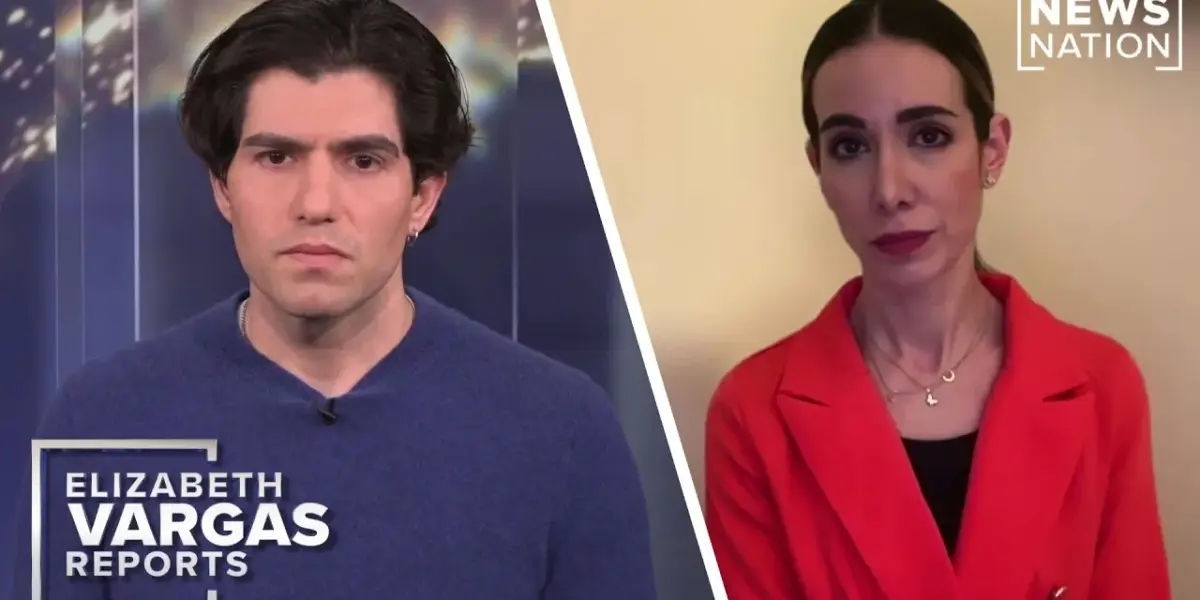
Iran’s People Caught in Geopolitical Crossfire
Ordinary Iranians are facing immense pressure, caught between a tough government and uncertain international policies. While the world’s attention is on military actions, the 90 million people inside Iran are living under difficult conditions. Many are hoping for change, but the path forward remains unclear.
A Hardline Government Tightens Grip
The current Iranian government is described as younger and more strict than before. This government has become more confident. Reports indicate that over 1,400 civilians have been killed, and more than 80,000 civilian buildings have been damaged. This has left many Iranians feeling trapped.
Hopes for Change Meet Harsh Reality
Some hoped that the people of Iran would rise up and change their government. However, intelligence from Israel and the U.S. suggests this is becoming less likely. While there are calls for regime change, there is also concern about the U.S. policy towards Iran’s future. Some worry that if a deal is made that keeps the current system in place, it won’t bring the desired change for the Iranian people.
Protests Met with Force
In the past, mass protests have occurred with people risking their lives. These protests were met with force by the Iranian Revolutionary Guard Corps (IRGC). Despite this, many Iranians remain determined to fight for their freedom. They believe that with support, they can overcome the government that has been in power for decades.
The Challenge of Overthrowing a Regime
A key question is how the Iranian people can rise up and overthrow their government. Supporters point to past movements, like the January uprising, where millions took to the streets. They believe people are organized and ready to act when the time is right. However, others express caution. Israeli officials have reportedly told their U.S. counterparts that while they want Iranians to protest, they know the people could be harmed.
Increased Repression and Poverty
After protests or conflicts, the Iranian government often becomes more oppressive. The current leaders are described as military figures responsible for past crackdowns. This makes the situation more difficult for ordinary Iranians, especially since over 42 million people live below the poverty line. The government is also sending out messages warning against protests, suggesting arrest or execution.
Looking Ahead: Uncertain Futures
The situation in Iran is complex. The majority of Iranians, estimated between 70 to 80 million out of 90 million, want to move away from the current Islamic regime. They see it as a dictatorship. The challenge is how to achieve this change when the government is determined to crack down and when international policies are still being shaped.
Global Impact
The internal situation in Iran has wider effects. The country’s stability impacts regional security and global energy markets. As Iran faces internal challenges and external pressures, its role in international affairs remains a critical point of focus.
Historical Context
Iran has a long history of political change and struggle. The current government came to power after the 1979 revolution. Since then, there have been periods of both reform and strict control. Understanding this history helps explain the current public sentiment and the government’s response to dissent.
Economic Pressures
Economic hardship is a major factor for many Iranians. High poverty rates and the impact of international sanctions create difficult living conditions. These economic pressures often fuel public frustration and contribute to calls for change.
Regional Dynamics
Iran’s relationships with its neighbors and global powers are constantly shifting. Tensions with countries like Israel and the United States, as well as its role in regional conflicts, shape its foreign policy and its internal situation. These external factors often influence the government’s approach to its own people.
Source: How are Iranians faring as war continues? | Elizabeth Vargas Reports (YouTube)

Related Articles
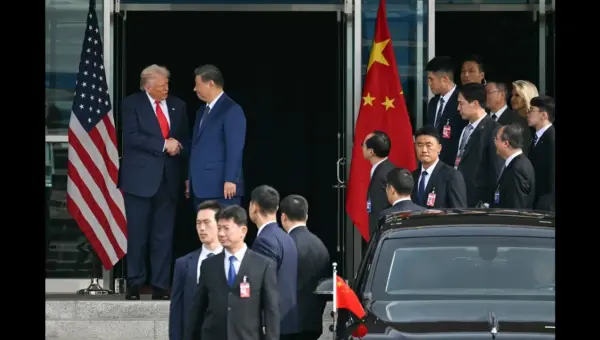
Trump’s “Walk Away” Tactic Signals Tougher Stance on China
Retired Air Force Brigadier General David Stillwell believes President Trump's strategy of being willing to walk away from negotiations puts pressure on China. This tactic, combined with US global actions and strengthened alliances, signals a more assertive American foreign policy.
China Fights Back: Tariffs Loom Ahead of Trump Visit
China is retaliating against US trade investigations that could lead to higher tariffs. This escalating trade tension occurs just before a planned visit by President Trump. The dispute involves accusations of unfair practices and impacts global supply chains.

Israelis Forge Resilience Amidst Constant Bomb Shelter Drills
Life in Israel is a blend of resilience and constant vigilance, with many families adapting to frequent bomb shelter drills and even sleeping in makeshift shelters. Despite ongoing missile attacks, Israelis strive to maintain normalcy, though businesses face disruption and emotional fatigue is a growing concern.