Iran’s Opposition: United or Divided Ahead of Potential Uprising?
DW News examines the complex landscape of Iran's opposition movements, exploring whether dissent is a unified force or a collection of divided factions. Insights reveal challenges in leadership and the impact of external influence on internal struggles.

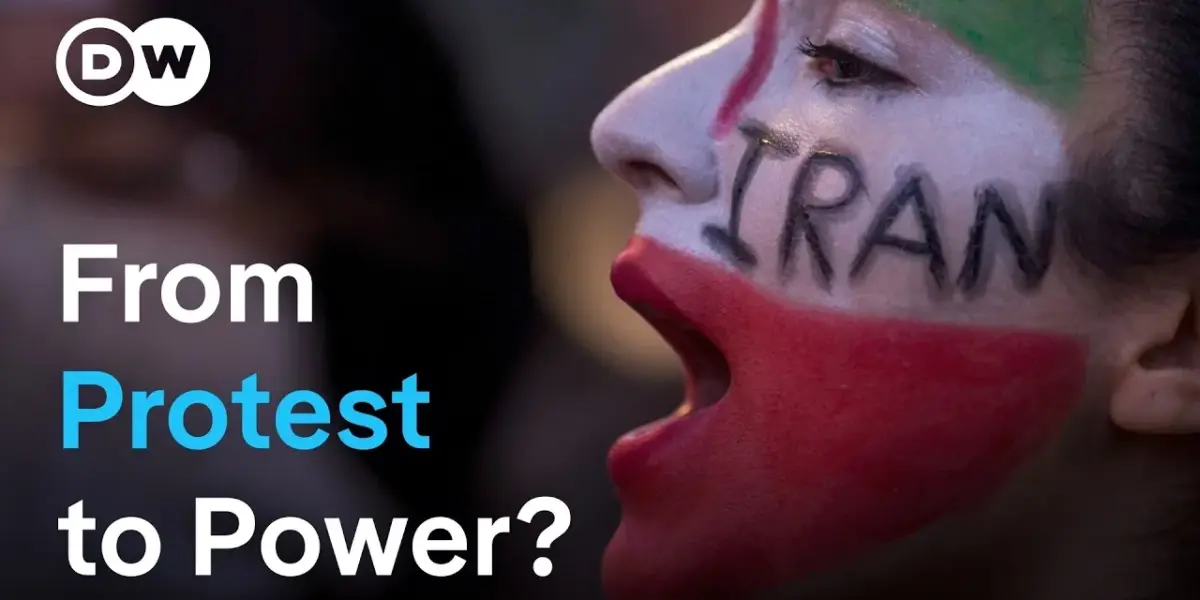
Iran’s Opposition: A Fractured Force or a United Front?
In the wake of escalating international pressure and internal dissent, the question of Iran’s opposition has become a focal point. While U.S. President Donald Trump has publicly called on Iranians to pursue a “glorious future,” the nature and readiness of this opposition remain subjects of intense debate. Is there a cohesive movement poised to challenge the current regime, or is the dissent a more fragmented, leaderless uprising? DW’s Niloofar Gholami offers insights into the complex landscape of Iranian opposition movements.
The Echoes of Protest: A History of Dissent
Iran has a long history of popular discontent, with significant waves of protest erupting periodically. The Green Movement following the 2009 presidential election, the 2017-2018 economic protests, and the November 2019 demonstrations over fuel price hikes all highlighted deep-seated grievances against the ruling establishment. These movements, however, have often been met with swift and severe crackdowns, leading to arrests, imprisonment, and international condemnation.
The challenge for any opposition movement in Iran lies not only in mobilizing the population but also in surviving the state’s security apparatus. The decentralized nature of many recent protests, while making them harder to target directly, also raises questions about leadership and coordinated action.
Who Constitutes the Opposition?
Identifying a singular, unified opposition in Iran is a complex task. The dissent is multifaceted, encompassing various groups with distinct ideologies and objectives. These include:
- Reformists within the system: A segment of society that believes in achieving change through gradual reforms within the existing political framework. However, their influence has been significantly curtailed over the years.
- Monarchists: Supporters of the pre-1979 monarchy, advocating for a return to a constitutional monarchy.
- Leftist groups: Various factions with socialist or communist leanings, often operating from exile.
- Religious dissidents: Individuals and groups who, while often sharing religious roots with the establishment, diverge on political and social interpretations.
- The broader populace: A significant portion of the population, particularly the youth and urban dwellers, expresses frustration over economic hardship, lack of freedoms, and corruption, even if they do not align with a specific political faction.
Niloofar Gholami highlights the difficulty in consolidating these diverse elements into a single, coherent force. “The opposition is not a monolith,” she explains. “There are many different groups with different ideas, and sometimes these ideas clash, making it hard to present a united front.”
Challenges to Unity and Leadership
The lack of a universally recognized leader is a significant hurdle for the Iranian opposition. Unlike movements in some other countries that have coalesced around charismatic figures, Iranian dissent often appears more organic and decentralized. While this can make it resilient to decapitation by the state, it also poses challenges for strategic planning and international engagement.
Gholami points out the dangers faced by any individual who attempts to emerge as a prominent leader. “Anyone who tries to become a clear leader is immediately targeted by the regime,” she states. “This forces the opposition to operate in a more diffuse manner, relying on networks rather than figureheads.”
Furthermore, the Iranian diaspora plays a crucial role in supporting and amplifying opposition voices. However, divisions within the diaspora itself, mirroring some of the ideological splits within Iran, can further complicate efforts to forge a united front.
The Role of External Influence
Statements from international figures, such as President Trump’s call for a “glorious future,” can be a double-edged sword. While intended to show solidarity, they can also be used by the Iranian regime to portray the opposition as foreign-backed or puppets of external powers. This narrative is often employed to delegitimize dissent and rally nationalist sentiment against perceived foreign interference.
Gholami emphasizes the sensitivity surrounding foreign involvement. “The regime is very good at using any external statement to paint the opposition as traitors,” she notes. “So, while external support can be helpful, it needs to be carefully navigated to avoid backfiring.”
Readiness for Change: The Unanswered Question
The ultimate question remains: Is the Iranian opposition ready to seize power? The persistent protests, despite harsh repression, suggest a deep well of discontent. The economic pressures, exacerbated by international sanctions, continue to fuel public anger. However, the ability to translate widespread dissatisfaction into a successful political transition is a monumental challenge.
The state’s control over security forces, media, and key institutions provides a significant advantage. Moreover, the fear of instability and the memory of the 1979 revolution mean that any transition would likely be fraught with uncertainty. The opposition’s capacity to offer a clear, compelling vision for Iran’s future, one that addresses the diverse needs and aspirations of its people, will be critical.
Looking Ahead: The Path Forward
The future of Iran’s opposition remains dynamic and uncertain. Key factors to watch include the regime’s response to ongoing internal pressures, the ability of disparate opposition groups to find common ground, and the evolving stance of the international community. Whether a unified front can emerge and articulate a viable alternative to the current system will be crucial in determining the trajectory of Iran’s political future.
Source: Iran's opposition: United, divided, ready to take over? | DW News (YouTube)

Related Articles
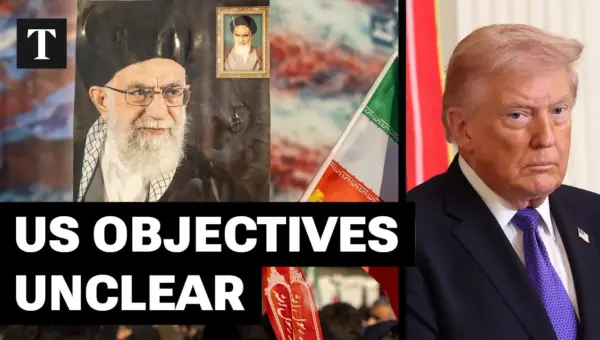
Gulf States Must Act Amid US-Iran Uncertainty, Expert Urges
Gulf states must take a more active role in shaping regional security due to unclear US objectives regarding Iran, argues historian Bader Al-Saif. He stresses the need for comprehensive negotiations involving all regional players and warns against the chaotic consequences of regime change.

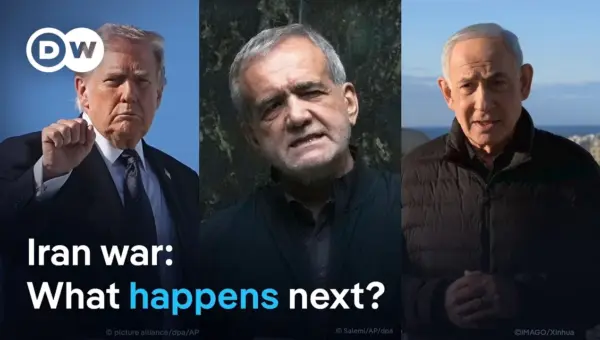
Iran, US, Israel: Analyzing Goals Amidst Escalating Middle East Conflict
As the Middle East teeters on the brink of wider conflict, this analysis delves into the strategic goals and limitations of Iran, the US, and Israel. Iran prioritizes regime survival amidst leadership losses, employing a strategy of attrition through missiles and drones. The US faces unclear objectives and domestic constraints, while Israel focuses on neutralizing Iranian threats and preventing nuclearization.
US Strikes Iran to Neutralize Missile Threat, Official Says
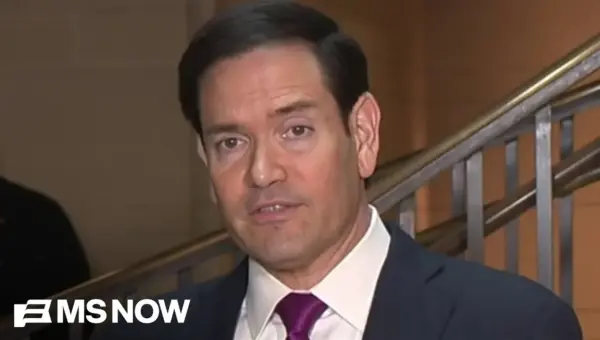
U.S. Secretary of State Marco Rubio confirmed a proactive military operation against Iran, aimed at dismantling its ballistic missile capabilities. The strike was deemed necessary to prevent Iran from acquiring the power to threaten global security, with officials emphasizing a defensive posture to avert future escalation and casualties.