Iran’s Oil Leverage: Strait of Hormuz and Geopolitical Chess
Iran's strategic control over the Strait of Hormuz, a vital oil chokepoint, and its role as a key oil supplier to China and Russia grant it significant global leverage. This dynamic, coupled with regional security concerns, profoundly impacts energy markets and U.S. foreign policy.


Iran’s Critical Role in Global Oil Dynamics Unveiled
Iran’s strategic position in global energy markets and its geopolitical influence stem from multiple critical factors, chief among them its control over a vital maritime chokepoint and its role as a supplier of oil to key U.S. adversaries. This analysis delves into how Iran leverages its geography and economic ties to exert influence far beyond its economic or military might.
The Strait of Hormuz: A Global Energy Lifeline
The cornerstone of Iran’s influence lies in its geography. The nation commands the northern edge of the Strait of Hormuz, a narrow waterway through which approximately 15% of the world’s daily oil supply transits. This strategic location means that the oil exports of major producers like Saudi Arabia, the United Arab Emirates, Kuwait, and Qatar, as well as Iran’s own significant output, must pass through this critical chokepoint. This dependence grants Iran considerable leverage on the global stage, a phenomenon often described in geopolitical terms as a ‘Rimland’ power’s advantage.
Supplying Adversaries: Undermining Sanctions and U.S. Influence
Beyond its geographic leverage, Iran plays a crucial role in supplying substantial volumes of affordable oil to China and Russia. This trade occurs largely outside the purview of U.S. sanctions enforcement, thereby undermining the effectiveness of American economic pressure. By providing an alternative energy source to these nations, Iran enhances their economic independence from the United States. This dynamic is particularly significant for China, reducing its reliance on U.S.-aligned energy sources and bolstering its autonomy.
A Strategic Alliance with Russia
Since 2022, Iran’s coordination with Russia has intensified. This partnership extends beyond energy, with Iran supplying Russia with drones, weapons, and other materiel. This collaboration strengthens Russia’s military capabilities and further complicates U.S. foreign policy objectives in various global theaters.
The Israel Factor: A Key U.S. Consideration
A third, and arguably the most significant, factor shaping U.S. policy towards Iran is the long-standing threat Iran poses to Israel. This threat is a primary reason the United States treats Iran differently from most other nations. Israel is a major recipient of U.S. military technology and serves as a critical security partner for the U.S. in the Middle East. This relationship allows the U.S. to project its security interests in the region indirectly, minimizing its direct physical presence.
Iran’s Multifaceted Geopolitical Strategy
In essence, Iran’s strategy is multifaceted:
- It utilizes its ‘Rimland’ geography to threaten global energy flows through the Strait of Hormuz.
- It supplies oil to strategic adversaries like China and Russia, circumventing U.S. sanctions and fostering their independence.
- It challenges the U.S. dollar’s dominance in international trade by engaging in non-dollar transactions, particularly with its oil sales.
- It exerts pressure on a key U.S. ally, Israel, thereby influencing regional stability and U.S. foreign policy calculations.
Furthermore, Iran’s influence extends to other regions, with its interests also being a factor in the energy dynamics of countries like Venezuela.
Market Impact and Investor Considerations
What Investors Should Know
The geopolitical maneuvers involving Iran carry significant implications for global energy markets and, by extension, the broader investment landscape. Investors must monitor developments in the Strait of Hormuz, as any disruption could lead to sharp increases in oil prices. This would disproportionately affect energy-importing nations and could fuel inflation. Companies involved in energy transportation, refining, and alternative energy solutions could see varying impacts depending on the severity and duration of any supply disruptions.
The continued flow of Iranian oil to China and Russia, despite U.S. sanctions, highlights the limitations of economic statecraft and the growing multipolarity of the global economy. This trend suggests a gradual shift away from U.S. dollar dominance in certain trade sectors, which could have long-term implications for the value of the dollar and the attractiveness of U.S. assets.
For investors, understanding these geopolitical undercurrents is crucial for navigating the complexities of the energy sector and anticipating potential market volatility. The interplay between Iran’s strategic positioning, its relationships with major global powers, and the ongoing U.S. foreign policy objectives creates a dynamic environment that requires careful observation and strategic risk assessment.
Sector and Index Context
The energy sector, particularly oil and gas exploration, production, and shipping, is most directly exposed to geopolitical tensions involving major oil-producing nations. Disruptions or threats to supply from the Middle East can lead to significant price volatility, impacting not only energy stocks but also the broader equity markets, including major indices like the S&P 500 and the Dow Jones Industrial Average, which often react to energy price shocks.
Long-Term Implications
In the long term, Iran’s ability to circumvent sanctions and supply oil to key global economies could accelerate the trend towards a more fragmented global financial system and a less dominant U.S. dollar. This could influence investment strategies favoring diversified portfolios and assets less sensitive to dollar fluctuations. Furthermore, the ongoing security concerns in the Middle East, driven in part by Iran’s actions, necessitate a continued focus on geopolitical risk in investment analysis.
Source: Iran’s Grip on Global Oil Supply (YouTube)

Related Articles
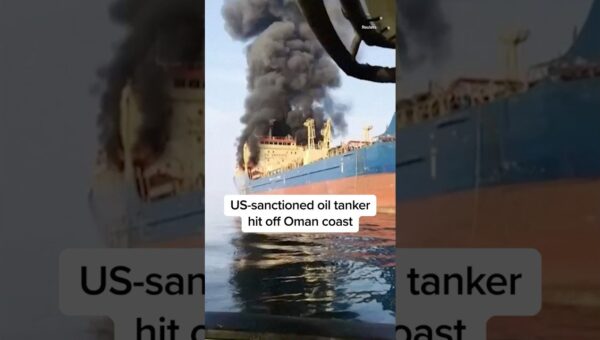
Oil Tanker Catches Fire Near Oman, Crew Evacuated
A U.S.-sanctioned oil tanker caught fire off Oman's Musandam coast, leading to the emergency evacuation of its 20-person crew, some of whom were injured. The incident occurred in a crucial shipping lane, raising concerns about regional maritime security amidst ongoing geopolitical tensions.

US Regime Change Efforts: A History of Tactical Wins, Strategic Losses
A comprehensive review of U.S. interventions reveals a consistent pattern: while the United States is adept at tactically removing foreign governments, achieving strategic success—the establishment of stable, legitimate political orders—has proven exceedingly difficult. Historical analysis points to unintended consequences and long-term instability as common outcomes.


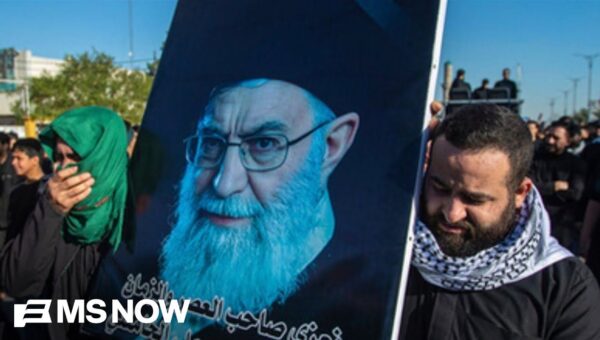
Thousands Mourn Khamenei, Chant ‘Death to America’ in Iran
Thousands gathered in Yazd, Iran, to mourn Supreme Leader Ayatollah Ali Khamenei following reported U.S. and Israeli strikes. The mourning ceremony was marked by chants of "Death to America," highlighting deep-seated anti-American sentiment amid geopolitical tensions.